Peru Hits Chinese Toilets With Duties Up to US$14.30

PERU · TRADE
Key Facts
- —The country Peru is a copper-exporting Pacific nation led by President Keiko Fujimori of the conservative Fuerza Popular; China is its top export market.
- —What happened Indecopi, Peru’s competition and trade-defence agency, imposed five-year anti-dumping duties on one-piece ceramic toilets from China in a ruling published on Tuesday 6 October.
- —The duties US$5.70 per toilet for Chaozhou Romance, US$12.70 for Chaozhou Yatao, and US$14.30 for Chaozhou Farns and every other Chinese exporter, from Wednesday 7 October.
- —Why From 2021 to 2024, Chinese toilets reached Peru at prices about 40% below local makers’ prices on average, and 49.8% below in 2023.
- —Who asked Local maker VSI Industrial, known as Vainsa, filed the complaint in December 2024; Indecopi grouped it with Corporación Cerámica (Trebol) as the domestic industry.
- —The US angle China took 36.2% of Peru’s exports in 2025, yet in September Peru joined the Shield of the Americas, a US-led coalition against organised crime.
- —Still open Indecopi calls this a first-instance ruling, and no importer or retailer has said whether shop prices will change.
Chinese toilets of the one-piece type entering Peru will carry duties of up to US$14.30 each for five years from Wednesday 7 October. Peru’s trade watchdog found Chinese exporters selling below fair value and hurting local factories.
The ruling is small, but it touches Peru’s balancing act between China and the United States. China bought 36.2% of Peru’s exports in 2025, while in September Lima joined a US-led coalition against organised crime.
What Indecopi Decided
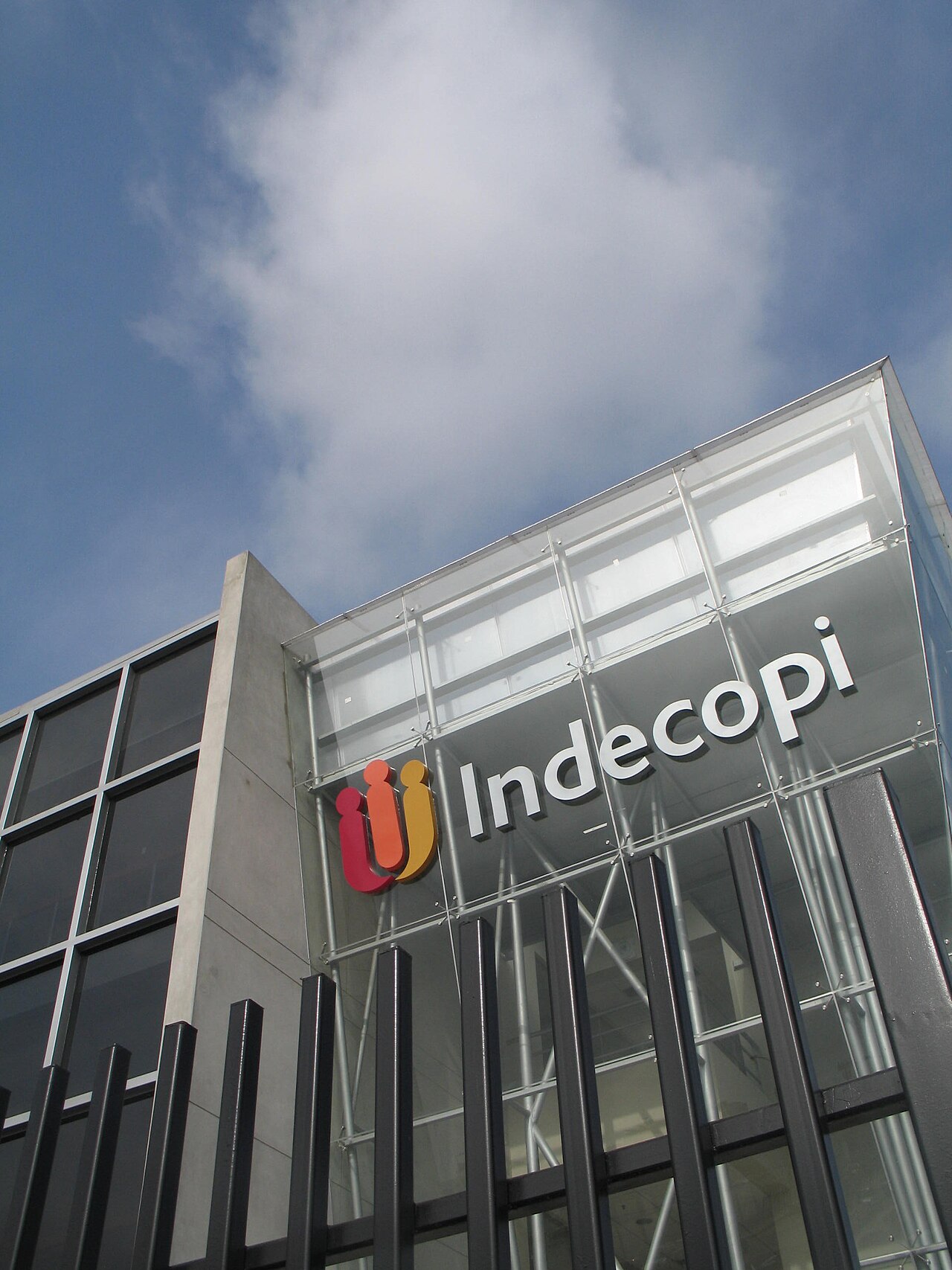
The decision comes from Indecopi, Peru’s national agency for competition, consumer protection and trade defence. Its dumping and subsidies commission, chaired by Gonzalo Martín Paredes Angulo, adopted it on Wednesday 30 September.
The resolution, number 244-2026/CDB-INDECOPI, appeared in the official gazette El Peruano on Tuesday 6 October. It takes effect the following day and runs for five years.
It covers Chinese toilets of the one-piece ceramic type, in which the bowl and tank form a single unit. So-called smart toilets and toilets for boats and recreational vehicles are excluded.
Each importer pays a fixed amount per toilet, not a percentage. Three Chinese exporters cooperated with the inquiry and got their own rates.
Toilets from Chaozhou Romance Ceramic Technology carry US$5.70 per unit and those from Chaozhou Yatao Ceramics US$12.70. Chaozhou Farns Ceramics Industrial gets US$14.30, and every other Chinese exporter pays that same rate.
Indecopi also notified Sunat, Peru’s tax and customs agency, so the duties can be applied at customs.
How Far Below Local Prices
Indecopi found dumping margins of 15.2% for Romance, 26.8% for Yatao and 45.2% for Farns in 2024. A dumping margin measures how far the export price sits below the normal price in China.
A separate test compared prices inside Peru. Chinese toilets landed at an average of about 40% below what Peruvian makers charged between 2021 and 2024.
The gap peaked at 49.8% in 2023 and was 46.3% in 2024. The landed price of the Chinese toilets fell 24.9% between 2021 and 2024 and stayed below local production costs throughout.
Volumes rose quickly at the same time. Imports from China grew 56.9% from 2021 to 2024, including a 75.9% jump in 2024 alone.
Who Asked for Protection
VSI Industrial, a Peruvian toilet maker known as Vainsa, asked for the investigation on Thursday 19 December 2024. Indecopi opened the case in April 2025 and treated Vainsa and Corporación Cerámica, known as Trebol, as the domestic industry.
Between 2021 and 2024, their production fell 11.7% and their domestic sales 17.6%. Their market share dropped 12.6 percentage points, and their profit margin stood at minus 10.9% in 2024.
Not every number pointed down. Employment at the two firms rose 14.5% and average wages 15.1% over the same period, while Peru’s market for these toilets grew 30.9%.
Four Peruvian importers, including Homecenters Peruanos and Inversiones CyS, challenged the case, as did three foreign firms and a Chinese exporters’ chamber. Indecopi rejected all of those challenges.
The US and China Backdrop
China is Peru’s main trading partner and took 36.2% of its record US$90,082 million in 2025 exports, according to Mincetur, Peru’s trade ministry. Exports to the United States grew 6.4% that year.
Chinese capital is also visible on the coast north of Lima. Cosco Shipping Ports holds 60% of the Chancay megaport, the Lima business daily Gestión reported on Tuesday 6 October.
Lima has also moved closer to Washington on security, joining the Shield of the Americas, a US-led coalition against organised crime. President Fujimori announced Peru’s entry on Thursday 10 September, after meeting US Secretary of State Marco Rubio.
Peru is not alone in shielding factories from Chinese goods. Mexico set a 50% tariff on cars from China and other countries without a trade deal from 1 January 2026, Guadalajara’s El Informador reported.
Peru’s free-trade deal with China still shaped the process. Indecopi first notified Beijing through the Chinese embassy in Peru on Friday 7 March 2025, as that agreement provides.
What It Means for You
If you are building or renovating a home in Peru, Chinese toilets of the one-piece type may soon cost more. Importers pay the duty at customs, and some may pass it on to buyers.
Smart toilets are exempt, and toilets made outside China face no duty under this measure. That includes US-made toilets, covered by the US-Peru Trade Promotion Agreement in force since 1 February 2009.
For investors, the case shows Peru using World Trade Organization rules to defend local industry against dumped Chinese imports. It does not mean Lima is turning away from China, its largest customer.
What Is Not Known
Indecopi described the measure as a first-instance decision, so it could still be reviewed within the agency. It is not yet known whether the Chinese exporters or Peruvian importers will appeal.
Indecopi’s published findings give no figure for how many Chinese toilets enter Peru each year or what they are worth. Retailers have not said whether, or by how much, shop prices will change.
It is also unclear whether Chinese makers will raise prices, cut shipments or sell through other suppliers. The full technical report, Informe 064-2026, is to be posted on Indecopi’s website.
More: Peru news in English, every day from The Rio Times.
Frequently Asked Questions
What has Peru decided about Chinese toilets?
Peru imposed anti-dumping duties of US$5.70 to US$14.30 per unit on one-piece ceramic toilets from China. The measure was published on Tuesday 6 October and lasts five years from Wednesday 7 October.
Why did Indecopi act?
It found that three Chinese exporters sold below their normal prices in China, with dumping margins of 15.2% to 45.2%. It also found that Chinese toilets undercut Peruvian makers by about 40% on average between 2021 and 2024.
Who asked for the duties?
The Peruvian maker VSI Industrial, known as Vainsa, filed the complaint in December 2024. Indecopi treated Vainsa and Corporación Cerámica, known as Trebol, as Peru’s domestic toilet industry.
Are US-made toilets affected?
No. The duties apply only to one-piece ceramic toilets made in China, and smart toilets are excluded even when they come from China.
Sources: El Peruano, Resolución N° 244-2026/CDB-INDECOPI, 6 October 2026; Indecopi, press note, 6 October 2026; Mincetur, press note on 2025 exports, 3 February 2026; Presidencia del Perú, Shield of the Americas, 10 September 2026; Gestión, 6 October 2026; El Informador, 29 December 2025; Office of the US Trade Representative, US–Peru TPA, accessed 6 October 2026; RPP, 6 October 2026; Andina, 6 October 2026.
This article was produced by The Rio Times’ automated newsroom system. How we use AI · Report an error · Editorial responsibility: Matthias Camenzind, Editor-in-Chief