IBOV 185,147.15 ▼ 0.02% IPSA 11,315.26 ▼ 1.14% IPC MEX 65,163.64 ▼ 0.42% MERVAL 3,049,121 ▼ 0.29% COLCAP 2,544.56 ▲ 0.40% BVL PERÚ 59,978.22 ▼ 0.31% USD/BRL5.12▲ 0.31% USD/MXN16.88▼ 0.24% USD/CLP933.68▲ 0.29% USD/COP3,124▼ 1.12% USD/PEN3.35▼ 0.34% USD/ARS1,509▲ 0.01% USD/UYU40.24▲ 1.26% USD/PYG5,947▲ 2.52% USD/BOB12.40▲ 3.51% USD/DOP59.00▲ 0.85% USD/CRC448.67▲ 1.62% USD/GTQ7.63▲ 2.29% USD/HNL26.84▲ 0.28% USD/NIO36.62▲ 0.07% USD/VES805.37▼ 0.13% USD/PAB1.00— 0.00% USD/BZD2.00— 0.00% USD/JMD 157.28 — 0.00% USD/TTD6.71▲ 0.91% EUR/BRL5.95▲ 0.91% BRENT 88.88 ▼ 0.03% WTI 83.11 ▼ 0.11% IRON ORE 161.91 — — COPPER 6.61 ▲ 0.03% GOLD 4,461 ▲ 1.78% SILVER 65.59 ▲ 1.26% SOY 1,184 ▲ 3.20% CORN 480.50 ▲ 10.02% WHEAT 655.00 ▲ 3.93% COFFEE 317.25 ▼ 5.51% SUGAR 16.43 ▼ 1.79% ORANGE JUICE 138.55 ▼ 0.47% COTTON 85.03 ▲ 2.33% COCOA 5,719 ▲ 3.18% BEEF 223.60 ▼ 3.93% CATTLE 339.10 ▼ 3.16% LITHIUM 75.20 ▲ 1.47% PETR4 41.64 ▼ 0.05% VALE3 72.97 ▲ 0.83% ITUB4 38.60 ▼ 1.03% BBDC4 16.85 ▲ 0.36% ABEV3 14.89 ▼ 0.80% BBAS3 19.37 ▲ 0.47% B3SA3 14.26 ▼ 0.21% WEGE3 47.59 ▲ 0.49% PRIO3 59.14 ▼ 0.19% SUZB3 41.33 ▲ 2.35% RENT3 34.68 ▼ 0.09% AZZA3 15.89 ▼ 2.63% CSAN3 3.22 ▼ 1.83% RAIZ4 0.25 — 0.00% PCAR3 2.75 ▼ 0.36% GMAT3 3.65 ▼ 1.08% PSSA3 48.13 ▼ 0.54% CVCB3 1.33 ▼ 2.92% POSI3 3.36 ▲ 2.44% SLCE3 13.34 ▲ 0.30% NATU3 8.14 ▼ 0.73% IBOV 185,147.15 ▼ 0.02% IPSA 11,315.26 ▼ 1.14% IPC MEX 65,163.64 ▼ 0.42% MERVAL 3,049,121 ▼ 0.29% COLCAP 2,544.56 ▲ 0.40% BVL PERÚ 59,978.22 ▼ 0.31% USD/BRL 5.16 ▲ 0.01% USD/MXN 17.06 ▼ 0.24% USD/CLP 913.98 ▲ 0.04% USD/COP 3,140 ▲ 0.03% USD/PEN 3.36 ▼ 0.66% USD/ARS 1,493 ▲ 0.10% USD/UYU 40.27 ▲ 1.24% USD/PYG 5,939 ▲ 1.68% USD/BOB 11.64 ▼ 0.76% USD/DOP 58.34 ▲ 1.25% USD/CRC 445.92 ▲ 0.89% USD/GTQ 7.62 ▲ 2.21% USD/HNL 26.79 ▲ 1.57% USD/NIO 36.62 ▲ 0.69% USD/VES 762.44 ▼ 0.13% USD/PAB 1.00 — 0.00% USD/BZD 2.00 — 0.00% USD/JMD 157.28 — 0.00% USD/TTD 6.70 ▲ 0.61% EUR/BRL 5.95 ▲ 1.01% BRENT 88.88 ▼ 0.03% WTI 83.11 ▼ 0.11% IRON ORE 161.91 — — COPPER 6.61 ▲ 0.03% GOLD 4,461 ▲ 1.78% SILVER 65.59 ▲ 1.26% SOY 1,184 ▲ 3.20% CORN 480.50 ▲ 10.02% WHEAT 655.00 ▲ 3.93% COFFEE 317.25 ▼ 5.51% SUGAR 16.43 ▼ 1.79% ORANGE JUICE 138.55 ▼ 0.47% COTTON 85.03 ▲ 2.33% COCOA 5,719 ▲ 3.18% BEEF 223.60 ▼ 3.93% CATTLE 339.10 ▼ 3.16% LITHIUM 75.20 ▲ 1.47% PETR4 41.64 ▼ 0.05% VALE3 72.97 ▲ 0.83% ITUB4 38.60 ▼ 1.03% BBDC4 16.85 ▲ 0.36% ABEV3 14.89 ▼ 0.80% BBAS3 19.37 ▲ 0.47% B3SA3 14.26 ▼ 0.21% WEGE3 47.59 ▲ 0.49% PRIO3 59.14 ▼ 0.19% SUZB3 41.33 ▲ 2.35% RENT3 34.68 ▼ 0.09% AZZA3 15.89 ▼ 2.63% CSAN3 3.22 ▼ 1.83% RAIZ4 0.25 — 0.00% PCAR3 2.75 ▼ 0.36% GMAT3 3.65 ▼ 1.08% PSSA3 48.13 ▼ 0.54% CVCB3 1.33 ▼ 2.92% POSI3 3.36 ▲ 2.44% SLCE3 13.34 ▲ 0.30% NATU3 8.14 ▼ 0.73%
since 2009
Friday, September 4, 2026

Opinion: Bridging Gaps – U.S. and China Restart Military Talks

By · January 10, 2024 · 2 min read

Daily Brief

The morning intel from across Latin America. Free.

By subscribing you agree to our privacy policy. We never share your email.

(Opinion) The recent revival of high-level defense dialogues between the United States and China signals more than a diplomatic routine.

It’s a beacon of cautious optimism amid global uncertainty.

These talks, named the Defense Policy Coordination Talks (DPCT), show both superpowers’ willingness to bridge communication gaps.

The past two years have seen escalating tensions and growing strategic mistrust.

Following a meeting between President Joe Biden and President Xi Jinping, the initiative emphasizes the importance of dialogue.

Especially between nations as influential as the U.S. and China. Held in Washington, the DPCT wasn’t just an exchange of formalities.
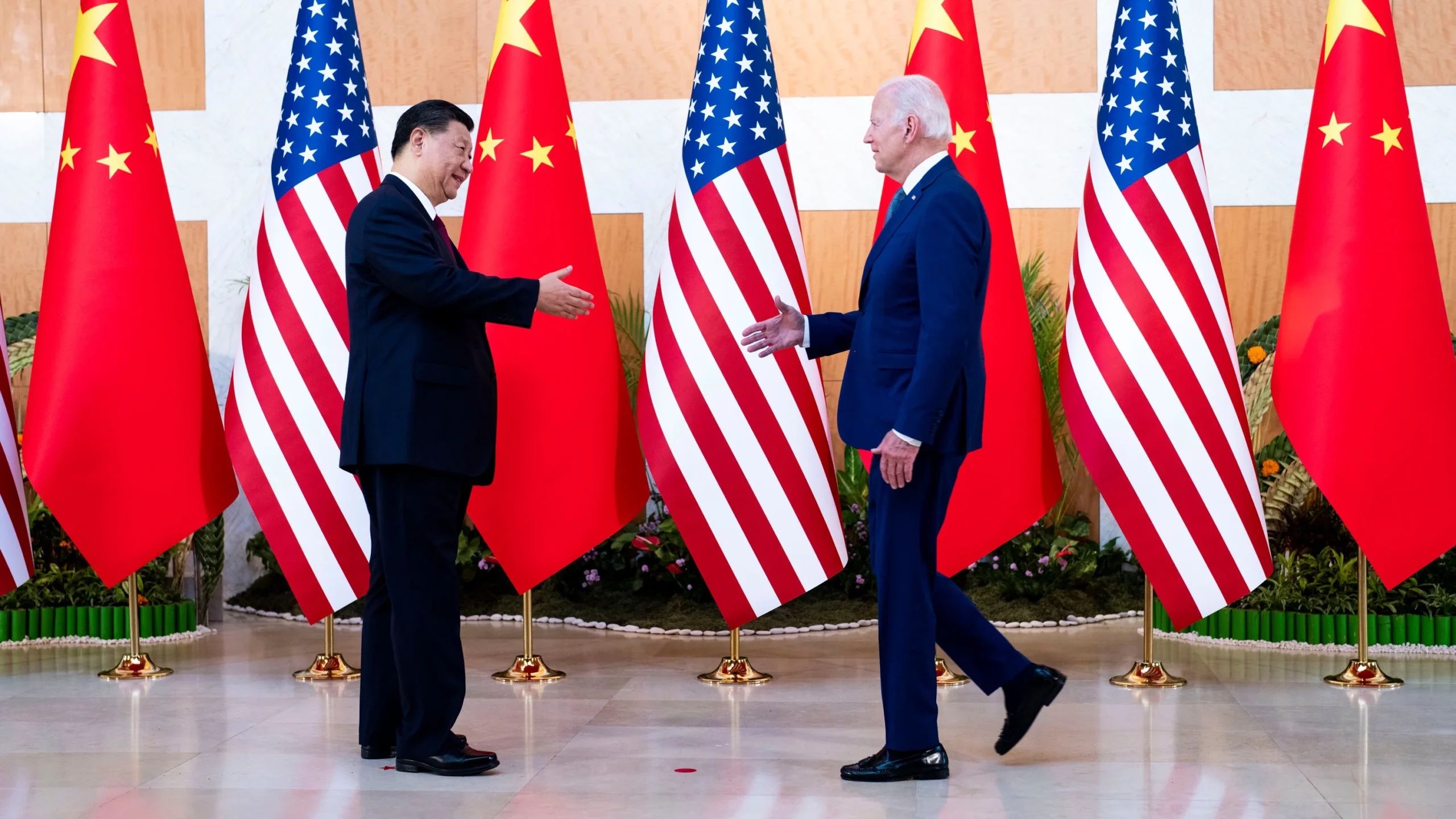
Bridging Gaps - U.S. and China Restart Military Talks. v
Bridging Gaps – U.S. and China Restart Military Talks.
One-stop reference
Company Intelligence
Every listed company in Latin America — financials, ownership and structure for 1,450+ companies across 26 exchanges, in one place.
Browse the directory →
RT
Ask Rio Times
17 years of Latin America reporting, on demand.
Open the full Ask Rio Times →

It was a venue for discussing issues crucial to regional and global stability.

The U.S. delegation focused on operational safety in the Indo-Pacific. They also reaffirmed their commitment to international law and allies.

In contrast, China urged the U.S. to stop arms sales to Taiwan. This difference highlights the complex balance of interests.

Taiwan’s status affects global trade, regional security, and East Asia’s power balance.

These talks reflect the intricate U.S.-China relationship.

They navigate through issues like the South China Sea disputes, the Ukraine war’s implications, and North Korea’s actions.

Resuming high-level military talks is essential for reducing conflict risks in the Pacific. Previously, the lack of dialogue had increased the chance of military misunderstandings.

Renewing these talks isn’t a cure-all

However, renewing these talks isn’t a cure-all. It doesn’t resolve the deep competition or ideological differences between the U.S. and China.

But it does provide a way to manage these differences more effectively. It recognizes that dialogue is essential for peace and stability in our interconnected world.

In summary, the revived US-China defense dialogue is a positive step. It marks the start of a continuous effort towards open communication.

It reminds us that in international relations, dialogue often leads to understanding. This understanding is vital for coexistence, if not cooperation, in a multipolar world.

Read More from The Rio Times

The Rio Times · Power Map
See who really holds power in Latin America
Click to open the Power Map

Rotate for Best Experience

This report is optimized for landscape viewing. Rotate your phone for the full experience.