IBOV 172,812.43 ▼ 0.32% IPSA 10,957.23 ▲ 0.55% IPC MEX 66,125.27 ▼ 0.74% MERVAL 3,281,489 ▲ 1.79% COLCAP 2,309.56 ▲ 0.49% BVL PERÚ 56,620.35 — — USD/BRL5.07▼ 0.42% USD/MXN17.40▼ 0.20% USD/CLP934.02▼ 0.05% USD/COP3,231▼ 1.15% USD/PEN3.40▲ 0.14% USD/ARS1,477▼ 0.34% USD/UYU40.11▲ 1.23% USD/PYG6,045▲ 1.76% USD/BOB10.80▲ 2.69% USD/DOP58.02▲ 0.31% USD/CRC446.12▲ 1.15% USD/GTQ7.62▲ 2.33% USD/HNL26.74▲ 1.61% USD/NIO36.62▲ 0.84% USD/VES735.39▼ 0.13% USD/PAB1.00— 0.00% USD/BZD2.00— 0.00% USD/JMD156.98▲ 0.21% USD/TTD6.73▲ 1.11% EUR/BRL5.78▼ 1.25% BRENT 91.17 ▲ 2.19% WTI 84.36 ▲ 1.36% IRON ORE 161.91 — — COPPER 6.55 ▲ 3.98% GOLD 4,076 ▲ 1.64% SILVER 59.13 ▲ 4.10% SOY 1,223 ▼ 0.29% CORN 475.75 ▲ 5.84% WHEAT 676.25 ▲ 0.33% COFFEE 323.25 ▼ 3.33% SUGAR 14.87 ▲ 0.34% ORANGE JUICE 146.55 ▼ 0.58% COTTON 80.03 ▲ 3.44% COCOA 5,590 ▲ 1.27% BEEF 223.05 ▼ 1.53% CATTLE 345.18 ▼ 1.94% LITHIUM 69.34 ▲ 3.62% PETR4 41.56 ▲ 1.00% VALE3 72.44 ▲ 0.71% ITUB4 42.51 ▲ 0.50% BBDC4 18.50 ▲ 0.49% ABEV3 15.85 ▲ 0.38% BBAS3 20.65 ▲ 2.38% B3SA3 15.08 ▼ 1.18% WEGE3 42.67 ▼ 1.07% PRIO3 58.75 ▲ 1.84% SUZB3 41.71 ▼ 0.43% RENT3 36.65 ▼ 2.24% AZZA3 17.79 ▼ 2.09% CSAN3 3.78 ▼ 1.05% RAIZ4 0.28 ▲ 3.70% PCAR3 2.73 ▲ 5.00% GMAT3 3.81 ▼ 1.04% PSSA3 53.25 ▼ 1.75% CVCB3 1.14 ▲ 5.56% POSI3 3.74 ▲ 1.08% SLCE3 13.60 ▲ 0.22% NATU3 8.77 ▲ 1.62% BRKM5 5.91 ▼ 0.51% RANI3 7.88 ▼ 1.38% CSNA3 5.11 ▲ 0.79% CMIN3 5.48 ▲ 1.67% USIM5 8.46 ▲ 3.68% GGBR4 23.69 ▲ 0.30% ENEV3 25.33 ▼ 1.25% CPFE3 46.30 ▼ 0.04% CMIG4 11.02 — 0.00% EQTL3 38.64 ▼ 1.65% LREN3 13.22 ▼ 0.68% VIVT3 35.51 ▼ 0.45% RAIL3 13.27 ▼ 2.21% KLABIN 17.43 ▼ 0.29% RAIA DROGASIL 18.45 ▼ 1.28% RDOR3 33.26 ▼ 6.18% HAPV3 11.34 ▼ 1.82% FLRY3 16.40 ▼ 0.97% SMTO3 15.34 ▼ 0.45% UGPA3 31.45 ▼ 0.79% VBBR3 33.47 ▼ 1.88% BBSE3 41.07 ▲ 0.05% BPAC11 55.48 ▼ 0.64% CURY3 29.53 ▼ 2.19% AERI3 2.06 ▼ 0.48% VIVARA 21.27 ▼ 3.14% COMPASS 24.31 ▼ 1.18% VAMOS 3.12 ▲ 0.97% SANB11 27.34 ▲ 1.22% ASAI3 8.16 ▲ 0.25% SBSP3 28.58 ▼ 1.38% WALMEX 49.31 ▼ 0.14% GMEXICO 206.15 ▲ 2.65% FEMSA 227.31 ▲ 0.15% CEMEX 21.95 ▲ 0.32% GFNORTE 184.55 ▲ 2.53% BIMBO 59.19 ▼ 0.52% TELEVISA 9.82 ▲ 1.13% AMX 22.66 ▼ 0.35% GAP 378.00 ▼ 0.05% ASUR 272.70 ▼ 0.61% OMA 224.99 ▼ 0.64% KOF 180.99 ▲ 0.10% GRUMA 285.11 ▼ 0.87% KIMBER 38.19 ▼ 0.52% SQM-B 64,761 ▲ 2.60% COPEC 6,380 ▲ 2.90% BSANTANDER 79.09 ▲ 3.94% FALABELLA 5,894 ▲ 0.32% ENELAM 84.90 ▲ 0.94% CENCOSUD 2,013 ▲ 0.89% CMPC 1,086 ▲ 1.87% BANCO CHILE 190.00 ▲ 1.88% LATAM AIR 24.51 ▲ 0.41% YPF 80,300 ▲ 1.39% GGAL 8,000 ▲ 1.98% PAMPA 5,460 ▲ 3.61% TXAR 665.50 ▼ 0.75% ALUAR 967.00 ▲ 0.78% TGS 9,695 ▲ 2.05% CEPU 2,355 ▲ 2.88% MIRGOR 16,800 ▼ 1.90% COME 43.09 ▲ 0.33% LOMA NEGRA 3,645 ▲ 2.03% BYMA 293.75 — 0.00% TELECOM ARG 4,248 ▲ 2.47% ECOPETROL 16.44 ▲ 2.56% BANCOLOMBIA 83.06 ▲ 2.77% GRUPO AVAL 5.00 ▲ 1.01% CREDICORP 395.12 ▲ 2.14% SOUTHERN COPPER 185.90 ▲ 6.19% BUENAVENTURA 31.23 ▲ 3.89% MERCADOLIBRE 1,817 ▼ 0.83% NUBANK 14.32 ▲ 2.32% XP 16.79 ▼ 0.06% PAGSEGURO 9.55 ▲ 2.80% STONE 11.29 ▲ 1.48% GLOBANT 31.93 ▼ 1.13% TECNOGLASS 45.95 ▼ 0.35% GAP AIRPORT 217.72 ▲ 0.28% ASUR 272.70 ▼ 0.61% OMA AIRPORT 103.39 ▼ 0.60% AMX ADR 26.01 ▼ 0.36% FEMSA ADR 130.70 ▲ 0.53% CEMEX ADR 12.66 ▲ 1.32% PETROBRAS ADR 18.43 ▲ 1.29% VALE ADR 14.25 ▲ 1.03% ITAU ADR 8.38 ▲ 0.72% SANTANDER BR 5.42 ▲ 0.84% AMBEV ADR 3.11 ▲ 0.81% CSN 1.02 ▲ 0.50% GERDAU 4.70 ▲ 0.43% LATAM ADR 52.35 ▲ 1.18% BTC 66,473 ▲ 1.91% ETH 1,927 ▲ 1.21% SOL 78.04 ▲ 0.32% XRP 1.15 ▲ 3.34% BNB 574.23 ▲ 0.61% ADA 0.17 ▲ 2.19% DOGE 0.07 ▲ 1.65% AVAX 6.62 ▲ 0.67% LINK 8.67 ▲ 0.98% DOT 0.85 ▲ 3.25% LTC 47.62 ▲ 0.60% BCH 225.55 ▲ 2.57% TRX 0.33 ▲ 0.55% XLM 0.19 ▲ 1.87% HBAR 0.07 ▲ 2.63% NEAR 1.93 ▼ 2.46% ATOM 1.49 ▼ 0.27% AAVE 96.00 ▲ 6.93% SELIC 14.25% EMBRAER 83.37 ▲ 0.10% EMBRAER ADR 65.77 ▼ 0.24% JBS 11.82 ▼ 1.79% JBS BDR 59.92 ▼ 1.43% MBRF3 15.16 ▲ 4.41% MBRFY 2.99 ▲ 2.75% INTER 5.59 ▼ 0.53% EGX 53,990 ▲ 1.63% USD/ZAR16.45▼ 0.50% USD/NGN1,376▼ 0.27% NIKKEI 66,232 ▲ 3.26% CSI300 4,739 ▲ 3.06% HSI 25,132 ▼ 0.04% NIFTY 24,188 ▼ 0.21% KOSPI 6,748 ▲ 3.56% JCI 6,340 ▲ 1.74% USD/JPY163.01▲ 0.31% USD/CNY6.76▼ 0.17% DAX 25,011 ▲ 0.66% CAC 8,363 ▲ 0.28% FTSE 10,586 ▲ 0.58% MIB 52,285 ▲ 0.81% IBEX 19,380 ▲ 0.90% STOXX 643.19 ▲ 0.56% EUR/USD1.14▼ 0.04% GBP/USD1.34▼ 0.48% SPX 7,512 ▲ 0.93% DJI 52,350 ▲ 0.99% NDX 29,164 ▲ 1.96% RUT 2,979 ▲ 1.25% TSX 35,332 ▲ 1.06% VIX 17.11 ▼ 8.26% USD/CAD1.41▲ 0.22% US10Y 4.6300 ▲ 0.70% IBOV 172,812.43 ▼ 0.32% IPSA 10,957.23 ▲ 0.55% IPC MEX 66,125.27 ▼ 0.74% MERVAL 3,281,489 ▲ 1.79% COLCAP 2,309.56 ▲ 0.49% BVL PERÚ 56,620.35 — — USD/BRL 5.07 ▼ 0.42% USD/MXN 17.40 ▼ 0.20% USD/CLP 934.02 ▼ 0.05% USD/COP 3,231 ▼ 1.15% USD/PEN 3.40 ▲ 0.14% USD/ARS 1,477 ▼ 0.34% USD/UYU 40.11 ▲ 1.23% USD/PYG 6,045 ▲ 1.76% USD/BOB 10.80 ▲ 2.69% USD/DOP 58.02 ▲ 0.31% USD/CRC 446.12 ▲ 1.15% USD/GTQ 7.62 ▲ 2.33% USD/HNL 26.74 ▲ 1.61% USD/NIO 36.62 ▲ 0.84% USD/VES 735.39 ▼ 0.13% USD/PAB 1.00 — 0.00% USD/BZD 2.00 — 0.00% USD/JMD 156.98 ▲ 0.21% USD/TTD 6.73 ▲ 1.11% EUR/BRL 5.78 ▼ 1.25% BRENT 91.17 ▲ 2.19% WTI 84.36 ▲ 1.36% IRON ORE 161.91 — — COPPER 6.55 ▲ 3.98% GOLD 4,076 ▲ 1.64% SILVER 59.13 ▲ 4.10% SOY 1,223 ▼ 0.29% CORN 475.75 ▲ 5.84% WHEAT 676.25 ▲ 0.33% COFFEE 323.25 ▼ 3.33% SUGAR 14.87 ▲ 0.34% ORANGE JUICE 146.55 ▼ 0.58% COTTON 80.03 ▲ 3.44% COCOA 5,590 ▲ 1.27% BEEF 223.05 ▼ 1.53% CATTLE 345.18 ▼ 1.94% LITHIUM 69.34 ▲ 3.62% PETR4 41.56 ▲ 1.00% VALE3 72.44 ▲ 0.71% ITUB4 42.51 ▲ 0.50% BBDC4 18.50 ▲ 0.49% ABEV3 15.85 ▲ 0.38% BBAS3 20.65 ▲ 2.38% B3SA3 15.08 ▼ 1.18% WEGE3 42.67 ▼ 1.07% PRIO3 58.75 ▲ 1.84% SUZB3 41.71 ▼ 0.43% RENT3 36.65 ▼ 2.24% AZZA3 17.79 ▼ 2.09% CSAN3 3.78 ▼ 1.05% RAIZ4 0.28 ▲ 3.70% PCAR3 2.73 ▲ 5.00% GMAT3 3.81 ▼ 1.04% PSSA3 53.25 ▼ 1.75% CVCB3 1.14 ▲ 5.56% POSI3 3.74 ▲ 1.08% SLCE3 13.60 ▲ 0.22% NATU3 8.77 ▲ 1.62% BRKM5 5.91 ▼ 0.51% RANI3 7.88 ▼ 1.38% CSNA3 5.11 ▲ 0.79% CMIN3 5.48 ▲ 1.67% USIM5 8.46 ▲ 3.68% GGBR4 23.69 ▲ 0.30% ENEV3 25.33 ▼ 1.25% CPFE3 46.30 ▼ 0.04% CMIG4 11.02 — 0.00% EQTL3 38.64 ▼ 1.65% LREN3 13.22 ▼ 0.68% VIVT3 35.51 ▼ 0.45% RAIL3 13.27 ▼ 2.21% KLABIN 17.43 ▼ 0.29% RAIA DROGASIL 18.45 ▼ 1.28% RDOR3 33.26 ▼ 6.18% HAPV3 11.34 ▼ 1.82% FLRY3 16.40 ▼ 0.97% SMTO3 15.34 ▼ 0.45% UGPA3 31.45 ▼ 0.79% VBBR3 33.47 ▼ 1.88% BBSE3 41.07 ▲ 0.05% BPAC11 55.48 ▼ 0.64% CURY3 29.53 ▼ 2.19% AERI3 2.06 ▼ 0.48% VIVARA 21.27 ▼ 3.14% COMPASS 24.31 ▼ 1.18% VAMOS 3.12 ▲ 0.97% SANB11 27.34 ▲ 1.22% ASAI3 8.16 ▲ 0.25% SBSP3 28.58 ▼ 1.38% WALMEX 49.31 ▼ 0.14% GMEXICO 206.15 ▲ 2.65% FEMSA 227.31 ▲ 0.15% CEMEX 21.95 ▲ 0.32% GFNORTE 184.55 ▲ 2.53% BIMBO 59.19 ▼ 0.52% TELEVISA 9.82 ▲ 1.13% AMX 22.66 ▼ 0.35% GAP 378.00 ▼ 0.05% ASUR 272.70 ▼ 0.61% OMA 224.99 ▼ 0.64% KOF 180.99 ▲ 0.10% GRUMA 285.11 ▼ 0.87% KIMBER 38.19 ▼ 0.52% SQM-B 64,761 ▲ 2.60% COPEC 6,380 ▲ 2.90% BSANTANDER 79.09 ▲ 3.94% FALABELLA 5,894 ▲ 0.32% ENELAM 84.90 ▲ 0.94% CENCOSUD 2,013 ▲ 0.89% CMPC 1,086 ▲ 1.87% BANCO CHILE 190.00 ▲ 1.88% LATAM AIR 24.51 ▲ 0.41% YPF 80,300 ▲ 1.39% GGAL 8,000 ▲ 1.98% PAMPA 5,460 ▲ 3.61% TXAR 665.50 ▼ 0.75% ALUAR 967.00 ▲ 0.78% TGS 9,695 ▲ 2.05% CEPU 2,355 ▲ 2.88% MIRGOR 16,800 ▼ 1.90% COME 43.09 ▲ 0.33% LOMA NEGRA 3,645 ▲ 2.03% BYMA 293.75 — 0.00% TELECOM ARG 4,248 ▲ 2.47% ECOPETROL 16.44 ▲ 2.56% BANCOLOMBIA 83.06 ▲ 2.77% GRUPO AVAL 5.00 ▲ 1.01% CREDICORP 395.12 ▲ 2.14% SOUTHERN COPPER 185.90 ▲ 6.19% BUENAVENTURA 31.23 ▲ 3.89% MERCADOLIBRE 1,817 ▼ 0.83% NUBANK 14.32 ▲ 2.32% XP 16.79 ▼ 0.06% PAGSEGURO 9.55 ▲ 2.80% STONE 11.29 ▲ 1.48% GLOBANT 31.93 ▼ 1.13% TECNOGLASS 45.95 ▼ 0.35% GAP AIRPORT 217.72 ▲ 0.28% ASUR 272.70 ▼ 0.61% OMA AIRPORT 103.39 ▼ 0.60% AMX ADR 26.01 ▼ 0.36% FEMSA ADR 130.70 ▲ 0.53% CEMEX ADR 12.66 ▲ 1.32% PETROBRAS ADR 18.43 ▲ 1.29% VALE ADR 14.25 ▲ 1.03% ITAU ADR 8.38 ▲ 0.72% SANTANDER BR 5.42 ▲ 0.84% AMBEV ADR 3.11 ▲ 0.81% CSN 1.02 ▲ 0.50% GERDAU 4.70 ▲ 0.43% LATAM ADR 52.35 ▲ 1.18% BTC 66,473 ▲ 1.91% ETH 1,927 ▲ 1.21% SOL 78.04 ▲ 0.32% XRP 1.15 ▲ 3.34% BNB 574.23 ▲ 0.61% ADA 0.17 ▲ 2.19% DOGE 0.07 ▲ 1.65% AVAX 6.62 ▲ 0.67% LINK 8.67 ▲ 0.98% DOT 0.85 ▲ 3.25% LTC 47.62 ▲ 0.60% BCH 225.55 ▲ 2.57% TRX 0.33 ▲ 0.55% XLM 0.19 ▲ 1.87% HBAR 0.07 ▲ 2.63% NEAR 1.93 ▼ 2.46% ATOM 1.49 ▼ 0.27% AAVE 96.00 ▲ 6.93% SELIC 14.25% EMBRAER 83.37 ▲ 0.10% EMBRAER ADR 65.77 ▼ 0.24% JBS 11.82 ▼ 1.79% JBS BDR 59.92 ▼ 1.43% MBRF3 15.16 ▲ 4.41% MBRFY 2.99 ▲ 2.75% INTER 5.59 ▼ 0.53% EGX 53,990 ▲ 1.63% USD/ZAR 16.45 ▼ 0.30% USD/NGN 1,376 ▲ 0.02% NIKKEI 66,232 ▲ 3.26% CSI300 4,739 ▲ 3.06% HSI 25,132 ▼ 0.04% NIFTY 24,188 ▼ 0.21% KOSPI 6,748 ▲ 3.56% JCI 6,340 ▲ 1.74% USD/JPY 163.00 ▲ 0.33% USD/CNY 6.7554 ▼ 0.03% DAX 25,011 ▲ 0.66% CAC 8,363 ▲ 0.28% FTSE 10,586 ▲ 0.58% MIB 52,285 ▲ 0.81% IBEX 19,380 ▲ 0.90% STOXX 643.19 ▲ 0.56% EUR/USD 1.1412 ▼ 0.02% GBP/USD 1.3384 ▼ 0.31% SPX 7,512 ▲ 0.93% DJI 52,350 ▲ 0.99% NDX 29,164 ▲ 1.96% RUT 2,979 ▲ 1.25% TSX 35,332 ▲ 1.06% VIX 17.11 ▼ 8.26% USD/CAD 1.4097 ▲ 0.13% US10Y 4.6300 ▲ 0.70%
since 2009
Tuesday, July 21, 2026

Brazil Brazil Tax reform

New Sanitation Landmark Permits Private Sector to Provide Sewage for Half of Brazilians

By · December 27, 2019 · 6 min read

Daily Brief

The morning intel from across Latin America. Free.

By subscribing you agree to our privacy policy. We never share your email.

RIO DE JANEIRO, BRAZIL – Earlier this month, the Chamber passed the basic text of the bill that establishes a new legal framework for basic sanitation in Brazil, one of the greatest challenges facing the country.

At this time, nearly half of the Brazilian population has no access to the sewage network.

Critics fear damage to poorer municipalities and rising tariffs. (Photo: Internet Reproduction)
One-stop reference
Company Intelligence
Every listed company in Latin America — financials, ownership and structure for 1,450+ companies across 26 exchanges, in one place.
Browse the directory →
RT
Ask Rio Times
This story and the bigger picture.
Open the full Ask Rio Times →

One of the project’s main points, which is going to be put to a vote in the Senate in 2020, paves the way for private initiative to act more strongly in the sector and establishes a bidding system for municipalities to select the companies that will provide water supply, collection, and sewage treatment services. This ends the right of preference for state-owned public sanitation companies.

On the one hand, supporters of the project argue that this openness will lead to greater efficiency, competition, and investment, while the opposition wing fears that changing the rule will hurt the poorest municipalities – which would not be as attractive. There is also concern that tariffs will rise and that legal insecurity will be created in the sector.

At the heart of the text is also the introduction of a new goal of universal access to sanitation in the country, which was set for December 2033. All new contracts will need to have this goal on the horizon. In the case of the agreements already in force, the so-called “program contracts”, there will be the possibility of adapting to the new goal by March 2022, thus being able to renew the contract for an additional 30 years.

Economy Minister Paulo Guedes has proved to be an enthusiast of the project passed in the Chamber and believes that basic sanitation will replicate the expansion of access to the mobile phone market after the privatization of telecommunications companies in 1998.

Until then, Brazil relied only on the state to invest in telecommunications and the Brazilian faced year-long delays to buy an expensive line, appealing for phone rentals. “Nobody had sanitation and now they will”, he declared in a lecture in Brasília in December.

In the experts’ assessment, advances in sanitation services have been very slow. Today, the annual investment in the area is less than half of what is required, according to Percy Soares Neto, director of the Brazilian Association of Private Utilities of Water and Sewage (ABCON).

According to studies, R$700 billion are required to achieve the goal of universal sanitation by 2033. “We need R$45 billion per year. And the country cannot invest more than R$11 billion annually. It’s far below what the Brazilian consumer needs,” Soares Neto explains.

The poor performance has consequences for the population and overloads the health system. According to the World Health Organization (WHO), every dollar invested in water and sanitation results in 4.3 dollars of savings in health.

According to the director of ABCON, the new legal framework has three new pillars: competition, regulatory quality, and regionalized provision. “The main point of change is to actually open space for competition between the public and private sectors.

The public company wanting to provide service will have to be more competitive than other bidders. “Improving the service, showing investment capacity, and having an adequate tariff will be required”, he says.

Soares Neto points out that, of the total investments made in the country in sanitation, 20 percent comes from the private sector, although it is present in only six percent of municipalities. “The investment is much higher proportionally”.
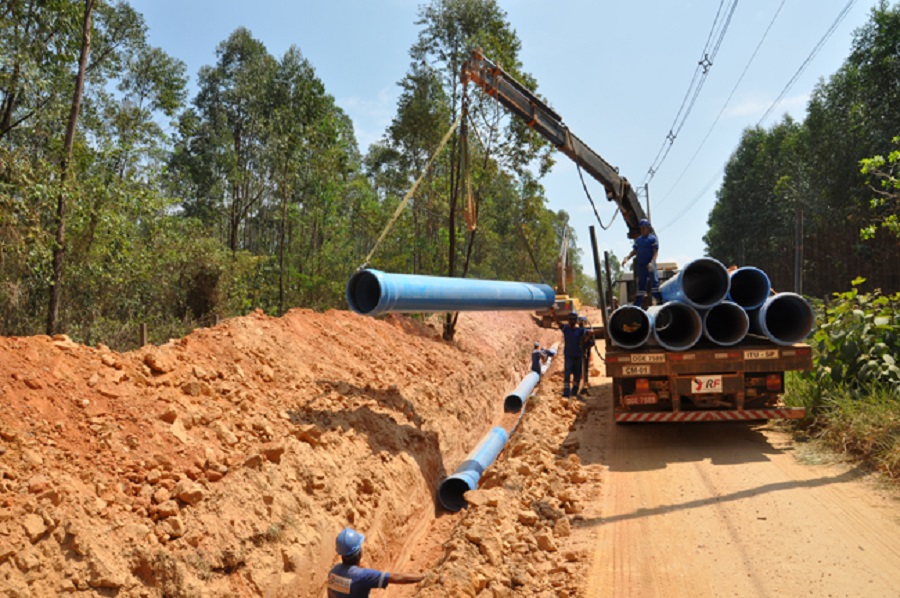
This project paves the way for companies to extend water and sewage networks to 100 million Brazilians by 2033 with R$700 billion investments. (Photo: Internet Reproduction)

Centralized regulation

The National Water Agency (ANA), today in charge of regulating access to and use of water resources, will play the role of regulator of the basic sanitation sector, according to the new legal framework. The agency will establish quality standards, standardize sector goals and determine tariffs.

“Today we have 50 regulatory agencies in the sanitation sector in the country, lacking consensus. It is confusing for the infrastructure sector. Investors from outside ask themselves: What rule or regulation must I follow? It’s hard to understand,” says Soares Neto.

The director of ABES, Alceu Bittencourt, thinks that although it would be useful to have a federal agency operating in the sector, it still doesn’t have the capability to operate the services. “Today there are regulatory agencies in the states that have already accumulated experience, and regulation has advanced a lot”.

“Since most of the operation is regionalized, there is cross-funding that allows operating in small cities. There is no need to start from scratch. To place ANA is a good proposal, but to place it like this is an authoritarian operation”, says Bittencourt.

According to the director of ABES, terminating the “program contracts” – without any competition, signed directly between the service holders and the concessionaires, is also controversial.

“They could increase the power of the private sector, but without dismantling the existing public companies, combining both public and private, making sub-concessions. Many contracts need to better define the goals, but I think it should be an option for the municipalities to decide whether or not to hold a bid but to continue evolving in the regulation of all,” he explains.

The proposal approved by the Chamber also provides for sanitation to be carried out in blocks for municipalities in a regionalized manner. This item of the text attempts to address criticism from the opposition, which claims that very small municipalities could remain unassisted because they are not financially viable.

By grouping viable municipalities – with a positive result in the balance of revenue and expenditure – and unviable, the operation would continue to be attractive.

Soares Neto says that today 58 percent of private operations in the country are located in municipalities with 20,000 inhabitants. “If a small municipality doesn’t matter as the opposition claims, why are more than half in them?”, he asks.

Viviane Borges, president of the Association of Engineers of SABESP, alerts that, in theory, the concept of agglutinating municipalities seems interesting, but in practice, it is much more complex.

“Look for a region where you have a large surplus municipality and a minority block that could be added to this business. The joining of regional blocks is not an easy thing. There are regions in the Northeast interior where all the municipalities are in deficit. That’s why we need to see this regionalization in practice,” she says.

Borges points out that Brazil is moving in the opposite direction of the trend in European countries. “These countries have already gone through private operations and now they are being governed by public companies. There are three reasons: lack of investment, inefficiency and high tariffs. These were the complaints,” she claims.

Bittencourt agrees that very few countries in the world have built an entirely private system. “You need to have government action planning and organizing. The focus of change should not be on public or private, but on promoting efficiency. The main concern is that the way it has been proposed could disorganize the sector,” he explains.

BNDES as the program’s organizer

The National Economic and Social Development Bank (BNDES) has proposed to play a relevant role in the new sanitation framework. The head of the bank’s Partnership Structuring Department No. 1, Guilherme Albuquerque, said that BNDES’ projects to attract private capital for sanitation foresee investments of R$61.7 billion over the next 35 years.

Of this total, R$15.9 billion are planned for the first five years.
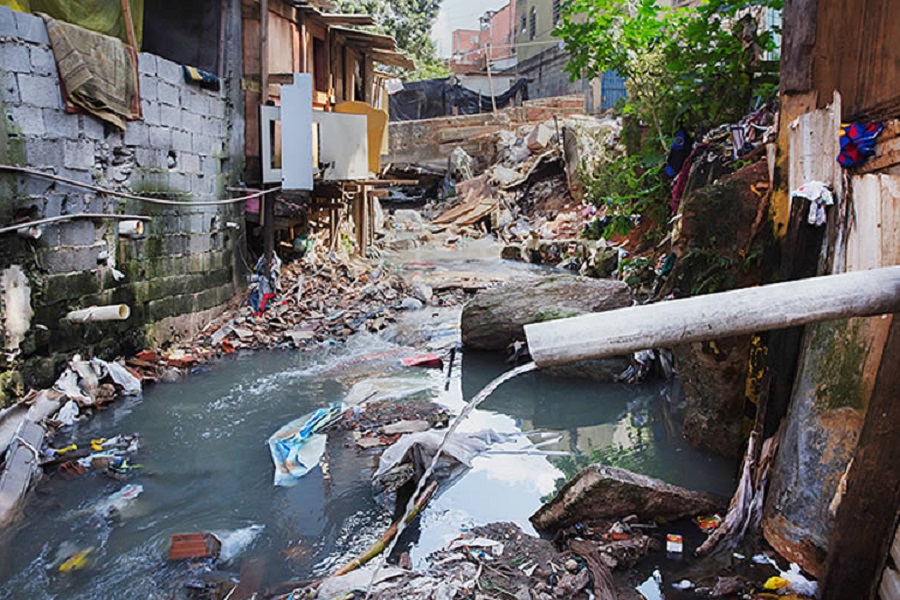
Lack of proper sewage facilities has consequences for the population and overloads the health system. (Photo: Internet Reproduction)

According to the bank’s president, Gustavo Montezano, there is no lack of resources to invest, but rather better money management. “We want to be the main national organizer on the sanitation agenda”.

“With the S for social in our name, it [social] is our flagship, because as we can think of education for those without sanitation, health for those without sanitation, economic development, and environmental protection, without sanitation. This requires financial modeling and talking to investors, politics,” he claimed.

“God willing, with the approval of the Sanitation Framework, we are opening a new stage in water treatment, water protection and environmental protection for the Brazilian people,” he said.

Source: El Pais

For the full picture, see our Brazil Tax Reform: Complete Guide.

Read More from The Rio Times

The Rio Times · Power Map
See who really holds power in Latin America
Click to open the Power Map

Rotate for Best Experience

This report is optimized for landscape viewing. Rotate your phone for the full experience.