A Brazilian Museum Reopens and Joins the Fight Over Looted Heritage
Culture · Brazil
Key Facts
—The reopening. Recife’s Museum of Abolition reopened fully on June 15 with two new exhibitions in its restored colonial townhouse.
—The mission. It is a federal museum devoted to the memory and heritage of Afro-Brazilians and the long aftermath of slavery.
—The debate. One show places Brazil inside the international argument over returning African cultural objects.
—The collection. Many pieces reached the museum through a federal law that hands cultural goods seized by customs to public museums.
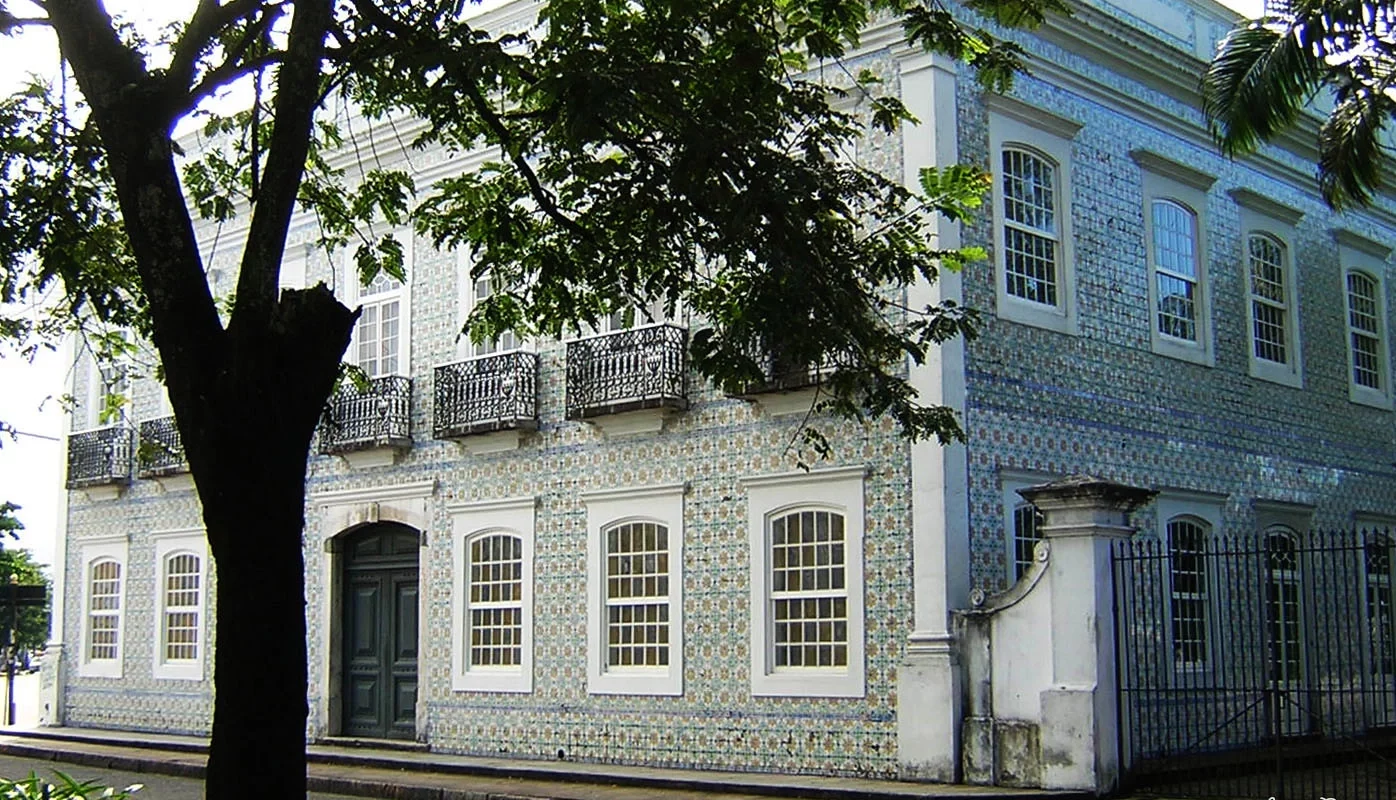
—The building. The listed townhouse in central Recife was restored between 2020 and 2022 before this first full program.
—The visit. Entry is free, with the museum open weekdays and Saturday afternoons.
A small Brazilian museum in Recife has reopened with a sharp idea at its center: that the global fight over who owns looted heritage belongs to Brazil too.
The Museum of Abolition in Recife reopened fully on Monday, June 15, with two new exhibitions. It is a federal institution whose job is to preserve the memory and culture of Afro-Brazilians and to make people think about slavery and what came after it.
For a reader abroad, the easy comparison is a national memory museum, the kind a country builds to face a difficult past. What makes this reopening worth noticing is the argument it picks.
Why this Brazilian museum matters now
One of the two shows is built around the question of restitution, the return of cultural objects taken from their place of origin. For years that debate has centered on African art held in European museums.
The Recife show pulls Brazil into that conversation rather than watching from the sidelines. It treats the country not just as a former slave society but as a place with its own stake in how the world handles displaced African heritage.
The museum’s framing is unusual. It shifts restitution from the purely physical idea of handing back an object toward a broader claim that what colonialism displaced still lives on in Black practices and creativity today.
A collection built from seized goods
The second striking detail is where the objects came from. According to the federal museums agency, much of the collection arrived in 2016 under a federal law that directs cultural goods seized by the tax authority to public museums.
In other words, the state confiscated these items at the border or in trade and routed them to a museum rather than the market. Much of the material had sat in storage until now.
That mechanism is itself part of the story. It ties a small cultural institution directly to the machinery of customs enforcement and the global trade in disputed artifacts.
A long road back to opening
The museum sits in a listed colonial townhouse in the Madalena district of central Recife, in Brazil’s northeast. The building was given a major restoration between 2020 and 2022.
After the works, the museum reopened its doors and hosted events, but it had never staged exhibitions designed specifically for its space and mission. The June program is the first to do that, marking a genuine new chapter rather than a simple return.
The choice of Recife matters as well. The northeastern port was one of the main gateways of the Atlantic slave trade into Brazil, which makes it a fitting home for a museum about abolition and its long shadow.
What it signals
The reopening lands as museums across Latin America push to reclaim and reframe their own heritage rather than leave the debate to richer institutions abroad. A modest museum in Recife is staking out a position in a conversation usually led by Paris, London and Berlin.
For visitors and for the wider cultural sector, that is the real signal. The questions of who keeps cultural objects, and what return actually means, are no longer confined to the old centers of the art world.
It also fits a broader moment for the country’s museums. Across Brazil, institutions are reopening and rebuilding after years of tight budgets, and several are using the chance to rethink whose stories they tell.
Frequently Asked Questions
What is the Museum of Abolition?
It is a federal museum in Recife devoted to the memory, history and culture of Afro-Brazilians and the legacy of slavery. It reopened fully on June 15 with two new exhibitions in a restored colonial townhouse.
Why is restitution part of the reopening?
One exhibition places Brazil inside the global debate over returning displaced African cultural objects. The museum frames restitution broadly, arguing that what colonialism displaced still survives in Black creativity and practice today.
Where did the collection come from?
Much of it reached the museum in 2016 under a federal law that channels cultural goods seized by the tax authority to public museums. A large share had remained in storage until this reopening.
Connected Coverage
São Paulo’s MASP Museum Dedicates 2026 to Latin American Art Histories
Latin American Art Is Having Its Moment, at Auction and in Museums
This article was produced by The Rio Times’ automated newsroom system. How we use AI · Report an error · Editorial responsibility: Matthias Camenzind, Editor-in-Chief
Read More from The Rio Times