Mexico Launches Bold Pemex Rescue Plan to End State Bailouts by 2027
Mexico’s government just took its most decisive step yet to rescue its battered state oil company, Pemex. On August 5, 2025, President Claudia Sheinbaum and her finance team rolled out a 10-year plan that aims to break Pemex free from government bailouts by 2027.
This historic move, carefully outlined in official government statements and company filings, tackles the deep financial hole swallowing Pemex for years.
Here’s the plain truth: Pemex is one of Mexico’s biggest employers and a crucial source of government income, but by mid-2025 it owed $98.8 billion and had not stood on its own for decades.
The company faced declining oil fields, bloated costs, and more money leaving than coming in. Each year, Mexico’s budget relied heavily on Pemex, and in return, Pemex needed government handouts just to pay the bills.
The government’s new answer is a huge injection of cash—$13 billion for 2025 alone—raised through a fund backed by both Mexico’s banks and government credit.
That funding will pay urgent debts, keep the lights on, and fund critical projects, but it comes with a firm promise: after 2026, no more bailouts.
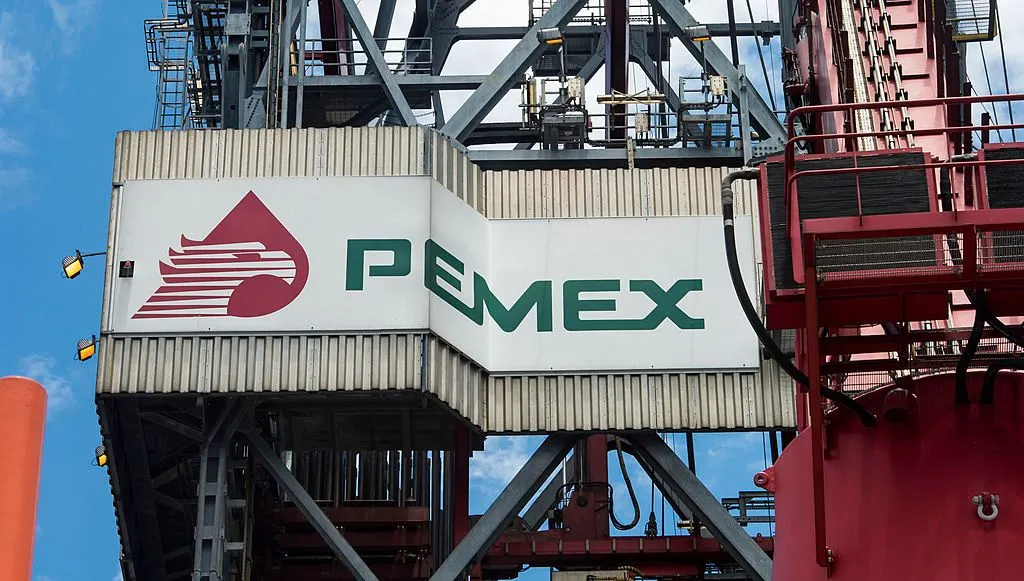
Pemex’s new roadmap is straightforward and tough. The company must produce 1.8 million barrels of oil a day. It will expand domestic pipelines, increase refining output, cut overhead, and get serious about spending only on profitable fields and business lines.
These decisions, all spelled out in Finance Ministry and Pemex portfolios, mean removing redundant jobs and squeezing more efficiency from every peso spent.
Pemex’s plan got a rare nod from credit ratings firm Fitch, which raised its debt rating, citing the government’s strict oversight and bold changes.
Finance Minister Edgar Amador says the reforms will lower Pemex’s debt to $77.3 billion by 2030, finally letting Pemex pay its debts and invest using its own income.
For ordinary Mexicans and global investors, the stakes are clear. If Pemex succeeds, Mexico keeps control of a vital industry, and taxpayers can expect fewer last-minute financial rescues. If it fails, the burden on public finances and business confidence grows heavier.
More: Latin America news in English, every day from The Rio Times.
This article was produced by The Rio Times’ automated newsroom system. How we use AI · Report an error · Editorial responsibility: Matthias Camenzind, Editor-in-Chief