Maduro’s Grip Weakens as Venezuela Faces Economic Collapse
Nicolás Maduro has declared an economic emergency in Venezuela, citing the severe impact of U.S. tariffs and sanctions on the nation’s finances.
Trump’s administration imposed a 15% tariff on Venezuelan imports like seafood, rum, and coffee, alongside a 25% penalty on goods traded with countries purchasing Venezuelan oil or gas.
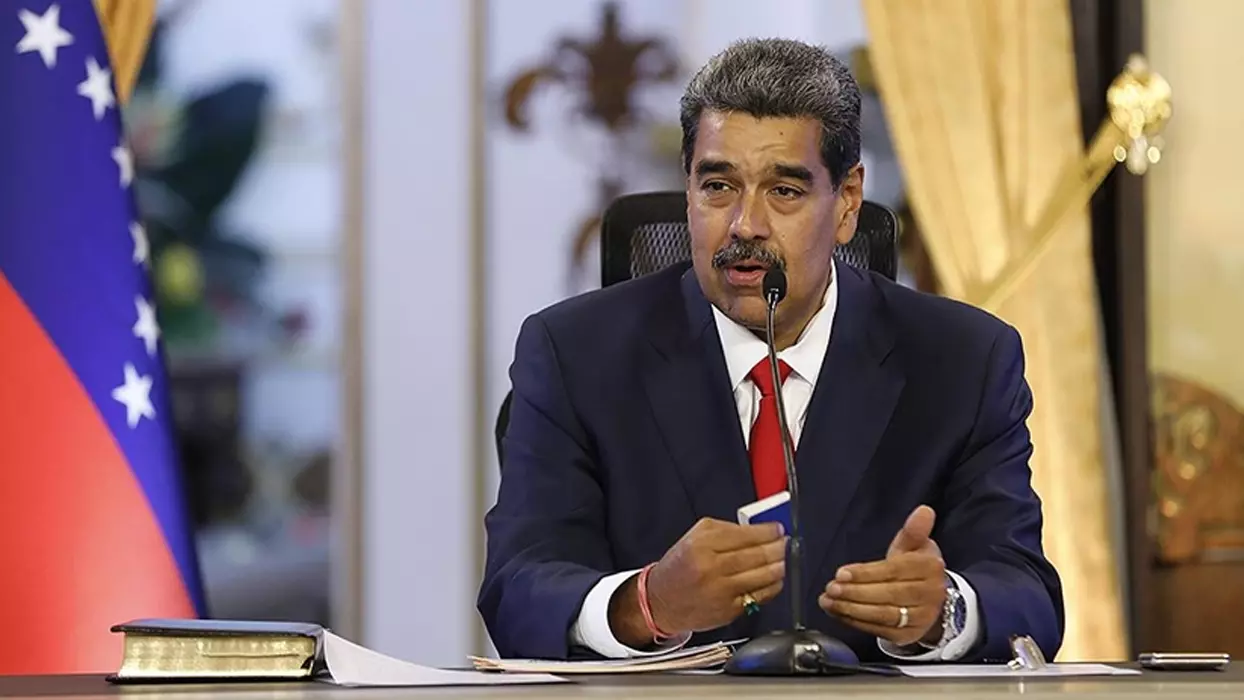
These measures cripple Venezuela’s ability to sell crude oil, its primary revenue source, forcing discounts and opaque deals. Maduro announced the decree during a televised meeting with telecommunications companies, claiming it would protect citizens and stabilize the economy.
The emergency powers allow him to suspend taxes, increase public spending beyond budget limits, and enforce mandatory quotas for domestic production. He framed the measures as essential to counteract external pressures and foster economic resilience.
The Venezuelan economy, already weakened by hyperinflation and years of mismanagement, faces renewed instability. The official dollar exchange rate jumped from 46 bolívares in November to 72 bolívares today, while parallel market rates exceeded 100 bolívares.
Inflation reached 13% in March, with projections suggesting it could surpass 100% by year-end. The oil sector faces additional strain as Chevron and other foreign firms prepare to exit due to U.S. restrictions.
State-owned PDVSA pledged to take over operations but lacks the expertise and investment needed to sustain production levels. Maduro’s allies support the decree, portraying it as a defense against economic aggression.
Critics argue it consolidates power without addressing systemic issues. Venezuela’s GDP has shrunk by two-thirds in a decade, leaving millions in poverty. Amid worsening conditions, Maduro’s government struggles to maintain stability while navigating escalating international isolation.
More: Latin America news in English, every day from The Rio Times.
This article was produced by The Rio Times’ automated newsroom system. How we use AI · Report an error · Editorial responsibility: Matthias Camenzind, Editor-in-Chief
In depth