Profile: Luisa González Seeks to Revive Leftist Leadership in Ecuador
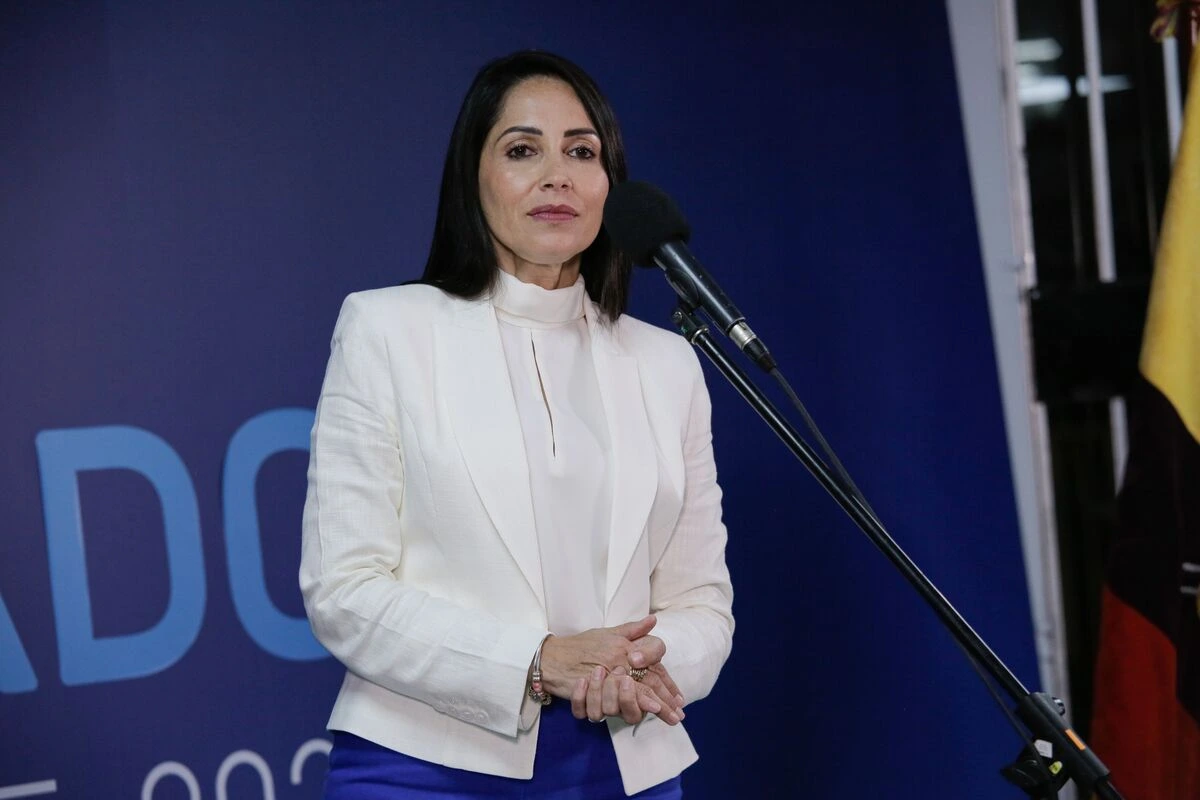
Luisa González, a 47-year-old lawyer and former assemblywoman, stands at the threshold of history as Ecuador’s potential first female president.
Supported by the Citizen Revolution Movement (RC), founded by former President Rafael Correa, González seeks to revive leftist governance in a nation grappling with economic challenges, insecurity, and political fragmentation.
The February election showcased Ecuador’s deep divisions, with González narrowly trailing incumbent President Daniel Noboa. Noboa secured 44.17% of votes, edging González’s 44% by just 16,746 ballots.
This tight margin reflects Ecuador’s polarized electorate and growing dissatisfaction with the status quo. González’s campaign has since gained momentum by forging alliances with Indigenous political movements like Pachakutik, whose leader Leonidas Iza garnered 5.2% of the first-round vote.
This support could prove decisive in the April 13 runoff. Ecuador faces mounting crises that dominate the political agenda. Crime rates have surged, with gang violence destabilizing cities and rural areas alike.
Economic instability has left seven million people in poverty, intensifying calls for change. González promises bold reforms, including creating two million jobs over four years, strengthening border security, and revitalizing public services like education and healthcare.
Born in Quito but raised in rural Manabí Province, González blends urban sophistication with grassroots appeal. Her academic credentials include master’s degrees from Complutense University of Madrid and Ecuador’s Institute of National Higher Studies. Her career spans roles under Correa’s administration and a term in the National Assembly.
If elected, González would mark a historic shift for Ecuador, signaling both a return to progressive policies and renewed hope for stability. Her victory could redefine the nation’s political trajectory while addressing its pressing social and economic challenges.
More: Ecuador news in English, every day from The Rio Times.
This article was produced by The Rio Times’ automated newsroom system. How we use AI · Report an error · Editorial responsibility: Matthias Camenzind, Editor-in-Chief