Latin America’s Political Chessboard: Trump’s Return Reshapes Regional Dynamics
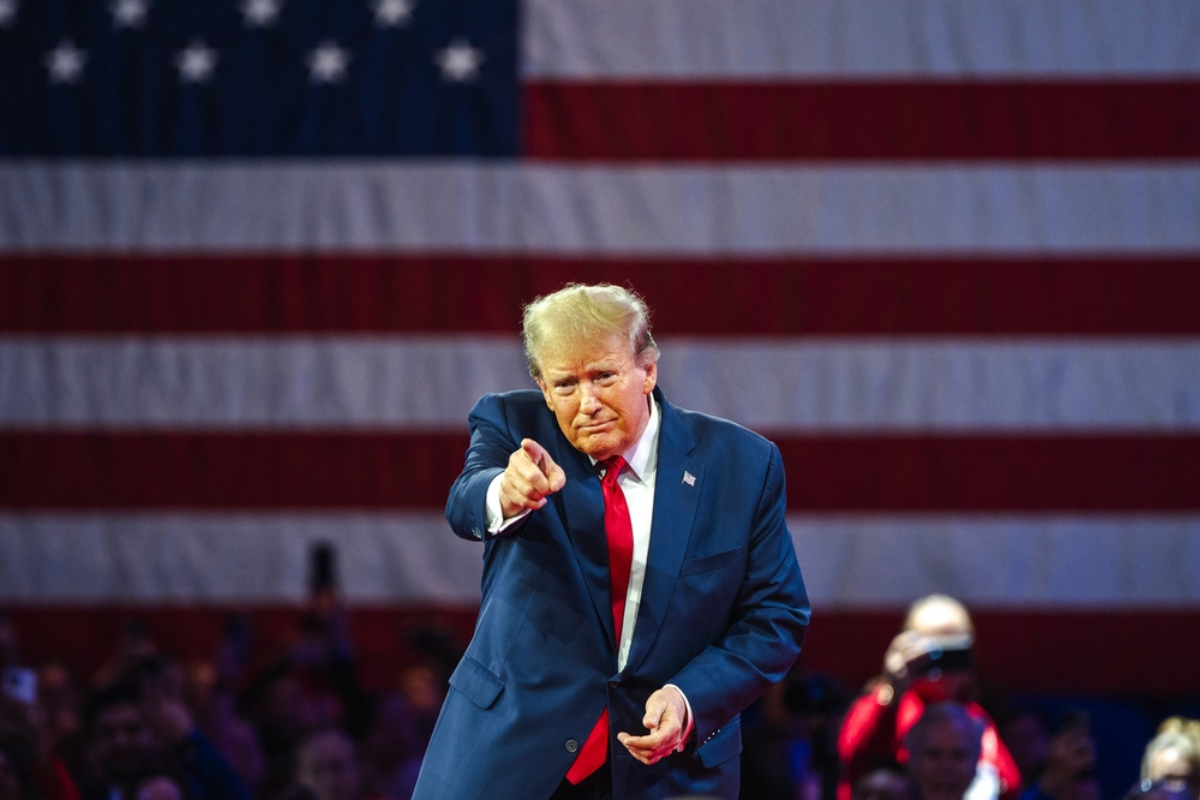
(Analysis) The potential return of Donald Trump to the White House has sent ripples across Latin America’s political landscape. This shift promises to redraw alliances and challenge existing power structures throughout the region.
Each country now faces unique challenges and opportunities in adapting to this new reality. Mexico stands at the forefront of this change. The left-leaning government of Claudia Sheinbaum must navigate treacherous waters.
Migration, drug trafficking, and trade issues loom large on the horizon. Sheinbaum‘s administration will need to balance domestic priorities with renewed pressure from the north.
Central American nations find themselves in varied positions. El Salvador’s Nayib Bukele may see his star rise further. His rapport with Republicans could open doors to increased investment and trade.
Other countries in the region, however, may face heightened scrutiny and tougher demands. Venezuela’s political landscape remains complex and volatile.
Despite opposition claims, Nicolás Maduro maintains his grip on power. The country’s strategy of negotiating sanctions relief may face obstacles under the Trump administration.
Shifting Alliances and Challenges in Latin America
This could further complicate Venezuela’s internal dynamics and regional relationships. Argentina’s President Javier Milei might discover an unexpected ally in Trump.
Their shared ideological ground could translate into tangible support. This alliance comes at a crucial juncture for Argentina’s struggling economy. Milei’s free-market reforms might find a more receptive audience in Washington.
Colombia’s relationship with the US faces potential strain. Despite long-standing cooperation in drug enforcement, ideological differences may surface.
President Petro might need to navigate carefully between domestic promises and international pressures. The balance between sovereignty and partnership will be tested.
Challenges and Opportunities
Brazil, under Lula’s leadership, might experience a cooling in US relations. However, strong economic ties will likely prevent any drastic changes.
Brazil’s role as a regional power adds complexity to this dynamic. Lula’s administration will need to balance ideological differences with practical necessities.
Peru’s growing economic ties with China add another layer of complexity. The Chancay port project symbolizes increasing Chinese influence in the region.
However, this development may become a point of contention in Peru-US relations. Peru’s leadership will need to navigate carefully between these competing interests.
Chile, often overlooked in broader Latin American analyses, faces its own challenges. As a major exporter of copper and lithium, Chile’s economic fortunes are tied to global demand.
Trump’s stance on renewable energy could impact Chile’s strategic planning. The country may need to diversify its economic partnerships.
In addition, the coming years will likely see significant realignments in US-Latin American relations. Each country must chart its course through these choppy waters.
The balance between national interests and regional cooperation will be put to the test. Freedom and self-responsibility may gain new emphasis in policy discussions.
This shifting landscape presents both challenges and opportunities for Latin American nations. Those who adapt quickly may find new avenues for growth and influence.
Others may struggle to maintain their current positions. The region’s political chessboard is being reset, with each player now reconsidering their next move.
More: Latin America news in English, every day from The Rio Times.
This article was produced by The Rio Times’ automated newsroom system. How we use AI · Report an error · Editorial responsibility: Matthias Camenzind, Editor-in-Chief