Kenyan Police Spearhead Liberation of Haitian Port
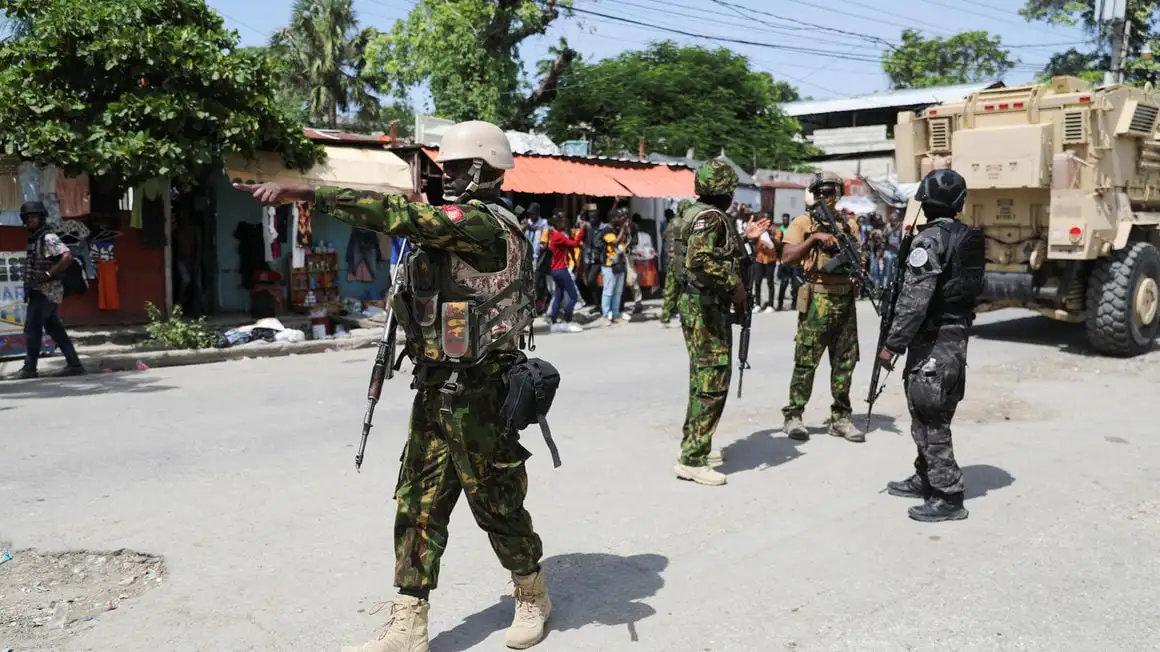
On July 17, 2024, Kenyan and Haitian police reclaimed Auorite Portuaire Nationale (APN) in Port-au-Prince from gang control.
This operation, crucial for reestablishing access to essential supplies, ended five months of criminal hold.
It’s part of the Multinational Security Support mission, approved by the UN Security Council to tackle Haiti’s security crises.
Since March 6, 2024, gangs had blocked vital imports, worsening Haiti’s humanitarian crisis. The port’s liberation is key to resuming aid and stabilization efforts.
MSS Commander Godfrey Otunge led the operation. It involved heavy gunfire, resulting in the gangs’ surrender.
This marked the first combat role for the Kenyan officers in Haiti and underscored their central role in the city’s stability.
Haitian Prime Minister Garry Conille declared an emergency in 14 municipalities, aiming for complete disarmament and surrender of gangs without negotiation.
The operation saw support from various countries, showing strong international commitment to Haiti.
The recapture of APN port promises enhanced security in Port-au-Prince, aiding broader aid and recovery initiatives.
This tactical victory also symbolizes global support for Haiti’s stability and democratic restoration.
Background
The Kenyan police mission in Haiti, part of a 2,500-member multinational force, has received both praise and criticism.
Positively, it showcases Kenya’s commitment to stabilizing Haiti and its growing international role.
However, the mission faces scrutiny at home due to local security issues, leading to a Kenyan court halting the deployment over constitutional concerns.
Additionally, political upheaval in Haiti has postponed the mission, highlighting the complexities of international peacekeeping efforts.
More: Latin America news in English, every day from The Rio Times.
This article was produced by The Rio Times’ automated newsroom system. How we use AI · Report an error · Editorial responsibility: Matthias Camenzind, Editor-in-Chief
Part of our ongoing coverage
Africa: The New Scramble — the great-power contest over the continent.