
IVORY COAST · FINANCE
Key Facts
- —The country Ivory Coast, also called Côte d’Ivoire, is the world’s largest cocoa grower. Its currency, the CFA franc, is tied to the euro.
- —What happened On Friday 16 October, Ivory Coast and the OPEC Fund signed a country partnership strategy for 2026-2029 in Bangkok, Thailand.
- —The money The lender plans up to US$500 million in financing plus up to US$3 million in grants, according to its own release.
- —Who signed OPEC Fund President Abdulhamid Alkhalifa and Souleymane Diarrassouba, Ivory Coast’s Minister of Planning and Development.
- —The aim Backing the 2026-2030 National Development Plan, which seeks to lift Ivory Coast to upper-middle-income status by 2030.
- —The history The two have worked together since 1982, and more than US$530 million has been approved so far.
- —Still open Interest rates, repayment terms, and which projects receive money first have not been published.
The OPEC Fund, a Vienna-based lender backed by oil-producing nations, offered Ivory Coast up to US$500 million in financing through 2029 on Friday 16 October. The OPEC Fund deal was signed in Bangkok at the World Bank and International Monetary Fund annual meetings.
For US readers, the deal backs the world’s largest cocoa grower and adds an oil-state lender to its list of creditors. The money is a four-year ceiling, not a cheque, and the loan terms are unpublished.
What Was Signed in Bangkok
The lender said the agreement is a country partnership strategy for 2026-2029, signed on the sidelines of the World Bank and IMF annual meetings. Its president, Abdulhamid Alkhalifa, signed with Souleymane Diarrassouba, the Ivorian planning minister.
The package offers up to 292 billion CFA francs (about US$500 million at 585 per dollar) in financing, plus up to US$3 million in grants. The Ivorian business site Sika Finance put the grants at nearly 1.8 billion CFA francs (about US$3 million).
Who the OPEC Fund Is
The fund is a development bank founded in 1976 and based in Vienna, Austria, which lends to poorer countries using money from oil-producing states. It says it has invested more than US$32 billion in over 125 countries.
Alkhalifa leads the institution, and he called Ivory Coast “an important partner” with “significant opportunities to expand our cooperation”. The fund draws its money from OPEC member states and lends for development projects such as roads, power, farms and small firms.
Where the Money Is Meant to Go
The strategy names two priorities: climate-resilient infrastructure such as energy, water, transport and health, and economic transformation through farming, private firms, credit access and skills. It lists public-sector loans, trade finance, grants and technical help among its tools.
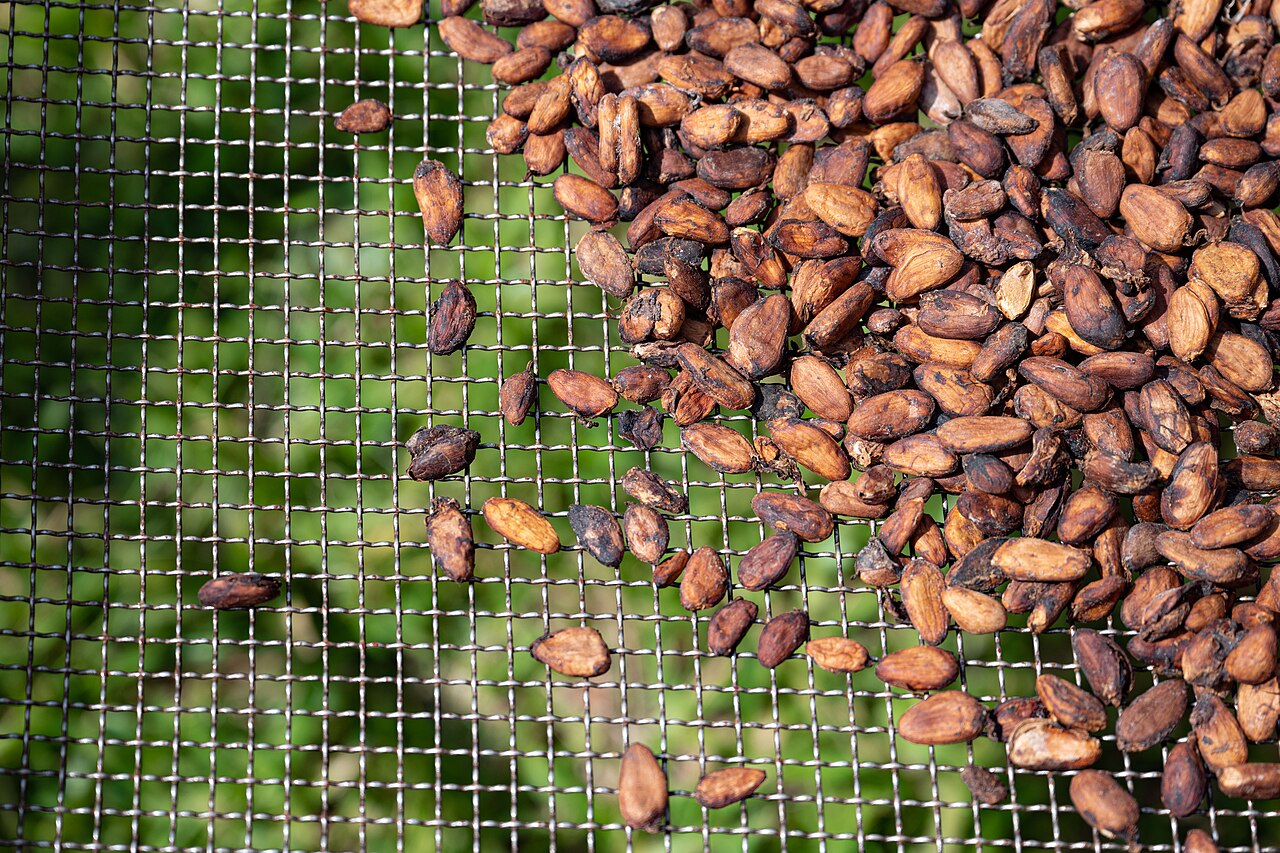
Farming matters because cocoa underpins the ongoing Ivory Coast cocoa strike called by the farmers’ union SYNAP-CI. The release names no single project, so the sectors rather than specific sites define the plan for now.
How It Compares With Past Lending
The fund says it has worked with Ivory Coast since 1982 and has approved more than US$530 million in public and private financing. The new ceiling of US$500 million over four years is close to everything approved in the previous 44 years.
Its Ivorian portfolio includes two small-business programmes approved in December 2024 and February 2025, according to the fund’s country page. In January the fund’s president also visited the 390-megawatt Atinkou gas-fired power plant, which the African Development Bank and other partners helped finance.
What It Means for US Readers
Ivory Coast is the world’s largest cocoa grower, so financing for farms, roads and power can touch the costs of US chocolate makers. The sum is under half of one percent of a US$110.4 billion economy that has slipped to 11th place among Africa’s economies in IMF figures.
Bond investors should note the 2027 budget of 18,466.1 billion CFA francs (about US$31.6 billion), up 6.4%, reported by Fraternité Matin. The Council of Ministers approved it on Wednesday 14 October with a deficit target of 3.5% of output.
What Is Not Known
The interest rate, repayment period and grace period of the loans have not been made public. Nor has the lender said which projects will be funded first or how much will go to the private sector.
Sika Finance called the US$500 million a possible envelope over four years, not money disbursed at signing. Whether Ivory Coast uses the full OPEC Fund amount depends on projects the two sides still have to agree.
More: Africa news in English, every day from The Rio Times.
Frequently Asked Questions
What is the OPEC Fund?
The OPEC Fund for International Development is a Vienna-based lender founded in 1976 by oil-producing countries. It finances projects in developing countries and says it has invested over US$32 billion in more than 125 of them.
How much will Ivory Coast get from the OPEC Fund?
The strategy allows up to US$500 million in financing and up to US$3 million in grants for 2026-2029. It is a ceiling for planned projects, and the fund has not said how much will be paid out.
When and where was the deal signed?
It was signed on Friday 16 October 2026 in Bangkok, Thailand, during the World Bank and IMF annual meetings. Fund president Abdulhamid Alkhalifa and Ivorian minister Souleymane Diarrassouba signed it.
What will the money pay for?
The strategy points to power, water, transport and health, plus farming, private firms, credit access and skills. No individual project was named in the announcement.
Does the deal affect cocoa prices?
No effect on cocoa prices has been announced. The financing is aimed at wider development goals, though farm and transport projects could matter to the cocoa sector over time.
Sources: OPEC Fund, 16 October 2026; Sika Finance, 16 October 2026; Fraternité Matin, 15 October 2026; OPEC Fund country page, 20 October 2026.
This article was produced by The Rio Times’ automated newsroom system. How we use AI · Report an error · Editorial responsibility: Matthias Camenzind, Editor-in-Chief
LatAm Markets: Live Signals → — real-time movers, turnover leaders and FX across Latin America.