Australian Miner Moves to Restart Lithium Search in Côte d’Ivoire
Côte d’Ivoire · MINING
Key Facts
- —The country Côte d’Ivoire (Ivory Coast) is a West African nation of about 32.7 million people, near Texas’s population. It is the world’s largest cocoa grower.
- —Why it matters Lithium, a metal used in electric-car batteries, is drawing miners to West Africa. Neighbouring Mali already mines it, but Côte d’Ivoire has no lithium mine or declared resource.
- —Why now Atex stalled after Australian partner Ricca Resources pulled out in 2025. Lithium prices have since recovered, and a new Australian company is now working on the ground.
- —What happened On 7 September 2026, Sydney-listed Australasian Metals took a 90-day option to buy up to 75% of Atex from Firering Strategic Minerals.
- —The numbers The option fee is A$100,000 (about US$70,000); completing the deal costs a further A$1.4 million (about US$980,000).
- —What it means for you For investors, this is an early, high-risk bet. Atex has drill results but no resource estimate, so any mine is years away.
- —Still open Whether Australasian exercises the option by early December and wins the mines minister’s approval. A first resource estimate is also still pending.
Atex lithium exploration in Côte d’Ivoire is restarting after an Australian miner took an option on the project. Local village leaders have backed the return of drill crews to the country’s most advanced lithium prospect.
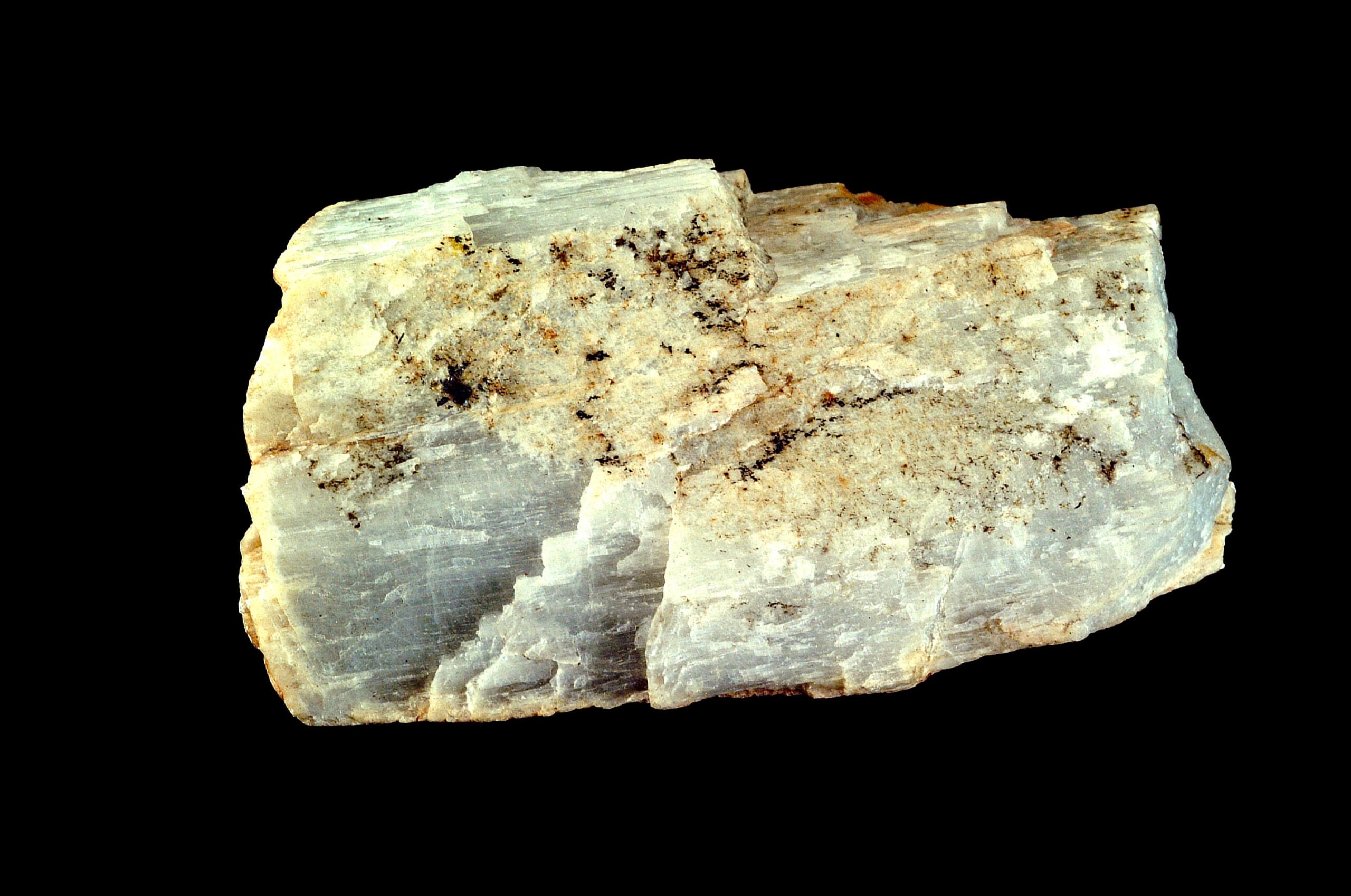
Côte d’Ivoire, also known as Ivory Coast, is West Africa’s largest French-speaking economy and the world’s biggest cocoa producer. It has gold mines but, so far, no lithium mine, the battery metal carmakers need.
Atex, a lithium project in the country’s far north, is now moving back into active work. Sydney-listed Australasian Metals secured a 90-day option on 7 September 2026 to buy a controlling stake from London-listed Firering Strategic Minerals.
Atex lithium exploration deal structure
Atex covers 134.96 square kilometres about 40 kilometres north of the town of Boundiali, near the border with Mali. Firering holds 90% of the licence and describes it as prospective for lithium, tantalum and niobium.
Australasian Metals paid Firering a non-refundable A$100,000 (about US$70,000) for the option. The figures use 30 September 2026 rates from open.er-api.com, at A$1.43 to the US dollar.
If Australasian exercises the option and the deal completes, Firering would receive a further A$1.4 million (about US$980,000) in cash. Firering would keep a 15% free-carried interest, meaning it would not pay for further work.
The deal also covers 51% of the neighbouring Alliance project, which is still at the permit-application stage. Completion needs regulatory approvals, including from Côte d’Ivoire’s mines minister, according to Ecofin, a business news agency.
What has happened since the deal
Australasian Metals said in late September that it had met the chief of Tounvre village and other local leaders. They backed the restart of exploration, the company said.
The company says it is improving access tracks and organising an auger drilling programme, a light, shallow method used to test soil. A consulting geologist is reviewing old drill core to refine drill targets.
Earlier in September, Australasian said a review of historic data pointed to widespread near-surface tantalum, a metal used in electronics. That data dates back to work by SODEMI, the state mining company, in the 1960s.
Firering confirmed the option in its half-year results on 28 September 2026. It said Australasian is already planning a drilling programme, so Firering need not fund more exploration.
What drilling has already shown
Firering reported in May 2024 that reverse-circulation drilling at Atex had extended known lithium mineralisation to 800 metres along strike. The campaign drilled 23 holes, 3,753 metres in total, and finished in March 2024.
Earlier holes cut 67.97 metres at 1.23% lithium oxide and 20.77 metres at 1.65%, Australasian said. Those are encouraging grades, but no resource estimate has yet been declared.
Australian company Ricca Resources agreed in 2022 to fund up to US$18.6 million of work. It withdrew in 2025 as lithium prices slumped, Ecofin reported.
Côte d’Ivoire in the race for lithium
Atex sits in the same geological belt that hosts the Goulamina and Bougouni lithium mines in neighbouring Mali. That link is a big part of the project’s appeal to foreign miners.
Interest in Ivorian lithium is widening, and China’s Ganfeng Lithium has recently entered other projects in the country, Ecofin reported. Citing the International Energy Agency, it said lithium prices more than doubled between January 2025 and April 2026.
The Fraser Institute, a Canadian think-tank, ranks Côte d’Ivoire first in West Africa for mining-investment attractiveness in its 2025 survey. This fits the wider competition for battery metals, part of Africa: The New Scramble.
Who gains and who loses
Australasian Metals gains a cheap entry into a lithium prospect with existing drilling data. The A$100,000 (about US$70,000) fee is small next to the cost of starting a project from scratch.
Firering, which is focusing its money on a lime business in Zambia, gains cash and a partner to fund the next phase. Its 15% free-carried stake keeps some upside at no extra cost.
For Côte d’Ivoire, the deal brings renewed Atex lithium exploration and the prospect of a first resource. Jobs, taxes and export earnings would only come if a mine is eventually built, which is years away.
What to watch next
The 90-day option runs from 7 September 2026, which points to a decision around early December. By then Australasian must finish due diligence and decide whether to buy in.
Investors will watch for auger results, metallurgical tests and approval of a full drilling programme. A declared resource would be a first for Ivorian lithium.
For now, Atex remains a promising but unproven asset. It is still an exploration story in a country with no record of lithium production.
Frequently Asked Questions
Who owns the Atex lithium project in Côte d’Ivoire?
London-listed Firering Strategic Minerals holds 90% of Atex. Sydney-listed Australasian Metals has a 90-day option, agreed on 7 September 2026, to buy up to 75% of the project.
How much is Australasian Metals paying for Atex?
It paid a non-refundable A$100,000 (about US$70,000) option fee. It would pay a further A$1.4 million (about US$980,000) if it exercises the option and the deal completes.
Does Côte d’Ivoire have any operating lithium mines?
No. The country has no operating lithium mine and no declared lithium resource, which is why the Atex project is closely watched.
What happens next at Atex?
Australasian Metals says it is organising auger drilling, improving access tracks and reviewing old drill core. It plans a first full drilling programme if it exercises its option.
Connected Coverage
Sources
- globalminingreview.com
- ecofinagency.com
- tradingview.com (Firering interim results, 28 Sep 2026)
- tipranks.com (Atex community update)
- tipranks.com (Atex tantalum review)
- fireringplc.com (Atex project)
- fireringplc.com (May 2024 drilling results)
- data.worldbank.org
This article was produced by The Rio Times’ automated newsroom system. How we use AI · Report an error
LatAm Markets: Live Signals → — real-time movers, turnover leaders and FX across Latin America.
Read More from The Rio Times