Côte d’Ivoire: Moroccan-Owned SIB Lifts Half-Year Profit to US$55.5 Million
Côte d’Ivoire · MARKETS
Key Facts
- —The country Côte d’Ivoire is the world’s top cocoa producer, with about 33 million people. Its economy, about US$100 billion, is roughly a fortieth of Britain’s (World Bank).
- —Why it matters It is French-speaking West Africa’s largest economy and financial hub. Abidjan hosts the BRVM, the stock exchange shared by eight countries using the CFA franc.
- —Why now On 29 September, SIB, one of the country’s larger banks, published first-half 2026 results. They show faster lending and far lower loan losses.
- —What happened SIB said net profit rose 9% in the six months to June 2026. It reached 32.1 billion CFA francs (about US$55.5 million).
- —Who is involved Morocco’s Attijariwafa Bank group owns 51% of SIB. Attijari Ivoire Holding Offshore holds 24%, stock-market investors 20% and the Ivorian state 5%.
- —What it means for you Foreign investors can buy SIB shares on the BRVM. The CFA franc’s fixed euro peg removes currency risk for euro-based holders.
- —Still open Whether lending keeps growing in the second half. The IMF, the International Monetary Fund, expects growth to slow to 6% in 2026.
A Moroccan-owned lender in Côte d’Ivoire has lifted its half-year earnings by 9%. Faster lending and a collapse in loan-loss charges did the work.
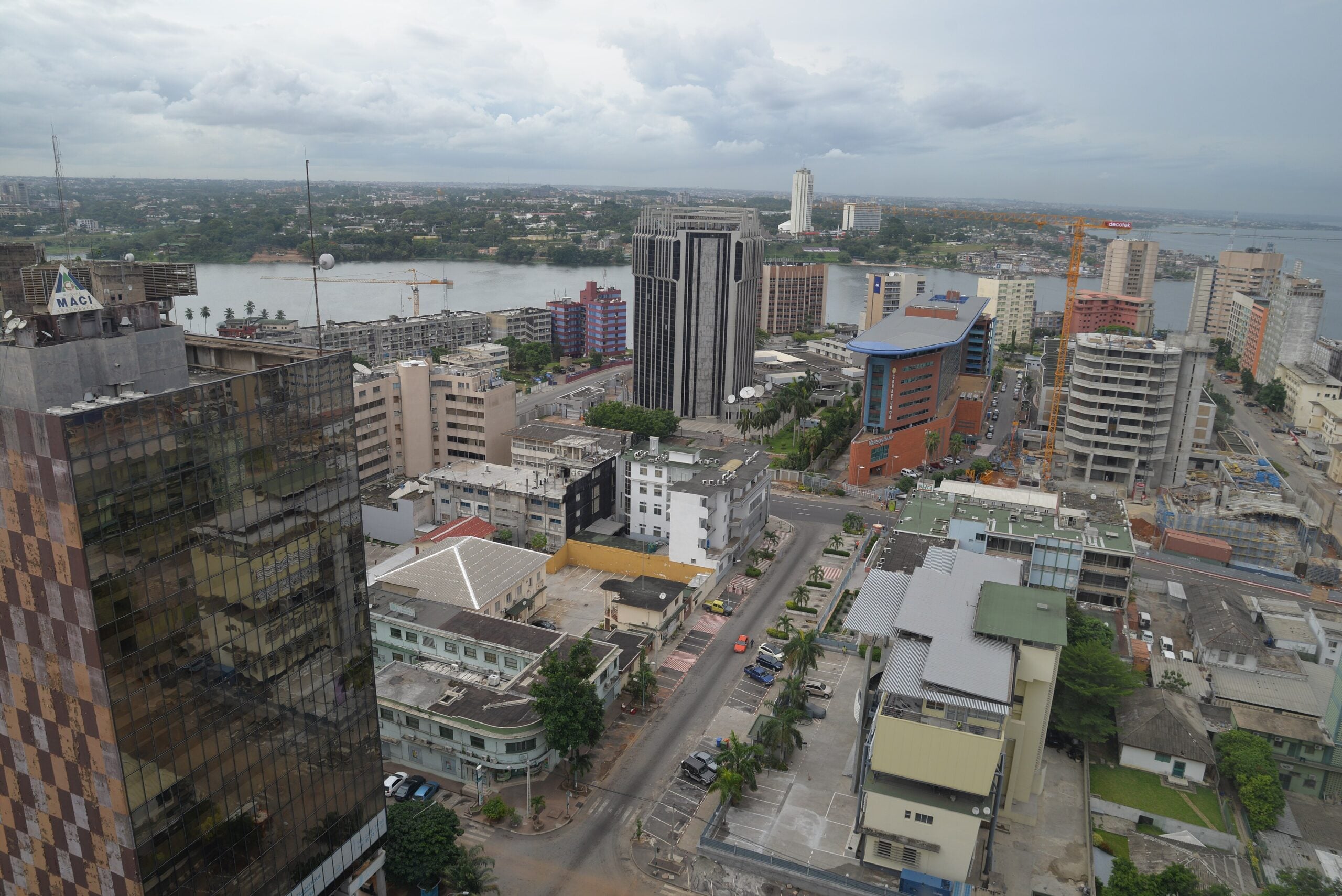
SIB profit rose 9% in the first half of 2026, Société Ivoirienne de Banque said on 29 September. The bank is one of the larger lenders in Côte d’Ivoire, among West Africa’s fastest-growing economies.
SIB is controlled by Attijariwafa Bank, Morocco’s largest banking group. Its results offer a rare window on how a Moroccan-run bank is faring in French-speaking West Africa.
What the bank reported
Net profit reached 32.1 billion CFA francs (about US$55.5 million) in the six months to June. That compares with 29.4 billion (about US$50.8 million).
The figures come from the bank’s half-year report, as published by Sika Finance and Abidjan.net.
All conversions use 578.3 CFA francs per US dollar (open.er-api.com, 1 October 2026). The West African CFA franc is pegged to the euro at 655.957 francs per euro.
Net banking income, the industry’s measure of revenue, rose 4% to 56.6 billion CFA francs (about US$97.9 million). Gross operating profit grew 6% to 36.6 billion (about US$63.3 million).
Lending grew, losses shrank
Loans to customers reached 1,169 billion CFA francs (about US$2.0 billion), up 12% on a year earlier. Deposits also grew 12%, to 1,581 billion (about US$2.7 billion).
The biggest swing came from the cost of risk, the money a bank sets aside for loans that may not be repaid. It fell from 1.16 billion CFA francs (about US$2.0 million) to 287 million (about US$0.5 million), a drop of about 75%.
That fall explains much of why SIB profit grew faster than revenue. Total assets stood at about 1,968 billion CFA francs (about US$3.4 billion) at the end of June, up 5% since December.
The bank says its capital ratio remains well above the regulatory minimum of 11.5%. It did not give the exact figure in the published summary.
A steady run of growth
The latest SIB profit extends a long climb. Annual net profit rose from 34.0 billion CFA francs in 2021 to 55.6 billion (about US$96.1 million) in 2025, per Sika Finance.
First-quarter 2026 profit had already risen 11%, to about 15 billion CFA francs (about US$25.9 million). Shareholders received 21.25 billion CFA francs (about US$36.7 million) in dividends for 2025 on 31 July.
Who owns SIB
Attijariwafa Bank group holds 51% of SIB, and Attijari Ivoire Holding Offshore a further 24%. Investors on the stock market own 20%, and the Ivorian state keeps 5%.
SIB’s shares trade on the BRVM, the Bourse Régionale des Valeurs Mobilières, in Abidjan. It is the joint stock exchange of the eight West African countries that share the CFA franc.
Sika Finance valued the bank at about 916 billion CFA francs (about US$1.6 billion) at the latest share price. That makes SIB one of the larger banks listed on the exchange.
The wider economy
Côte d’Ivoire has about 33 million people and an economy of roughly US$100 billion, World Bank data show. It is the world’s largest cocoa producer and French-speaking West Africa’s biggest economy.
The International Monetary Fund (IMF) expects growth to slow to 6% in 2026, from 6.5% in 2025. In a review published in July, the fund blamed weaker external demand amid the war in the Middle East.
The IMF also said the government would temporarily relax its 2026 budget deficit target to 3.8% of GDP. Pressure on fuel revenues and cocoa receipts from the Middle East war was among the reasons cited.
What it means for foreign investors and businesses
For investors, the SIB profit figures show a bank growing steadily with very low loan losses. Shares are bought through licensed brokers in the region, and dividends are paid in CFA francs.
The euro peg removes exchange-rate risk for euro-based investors, though not for those holding US dollars or pounds. Liquidity on the BRVM is thin, so large orders can move prices.
For companies, 12% loan growth suggests banks are still willing to lend to Ivorian businesses and households. That matters for anyone selling into or building supply chains in the country.
What is not independently confirmed
The half-year figures are the bank’s own and were reported by financial media from its published report. No independent analyst assessment of the results was available on 1 October.
The second half will show whether SIB profit growth holds up as the economy slows. A renewed rise in loan losses would quickly erase the main driver of this year’s gain.
Frequently Asked Questions
How much profit did SIB make in the first half of 2026?
Société Ivoirienne de Banque (SIB) said net profit rose 9% to about US$55.5 million in the six months to June 2026. That equals 32.1 billion CFA francs, against 29.4 billion a year earlier.
Who owns SIB?
Morocco’s Attijariwafa Bank group owns 51% and Attijari Ivoire Holding Offshore 24%. Investors on the BRVM regional stock exchange hold 20% and the Ivorian state 5%.
Can foreigners invest in SIB shares?
SIB is listed on the BRVM in Abidjan, which foreign investors can access through licensed regional brokers. Prices are in CFA francs, which are pegged to the euro.
How fast is Côte d’Ivoire’s economy growing?
The International Monetary Fund (IMF) expects growth of 6% in 2026, down from 6.5% in 2025. It blames weaker external demand linked to the war in the Middle East.
Connected Coverage
Sources
- Sika Finance: SIB first-half 2026 results
- Sika Finance: SIB company profile and shareholders
- IMF Country Report No. 26/171, July 2026
- World Bank: Côte d’Ivoire data
This article was produced by The Rio Times’ automated newsroom system. How we use AI · Report an error
LatAm Markets: Live Signals → — real-time movers, turnover leaders and FX across Latin America.
Read More from The Rio Times