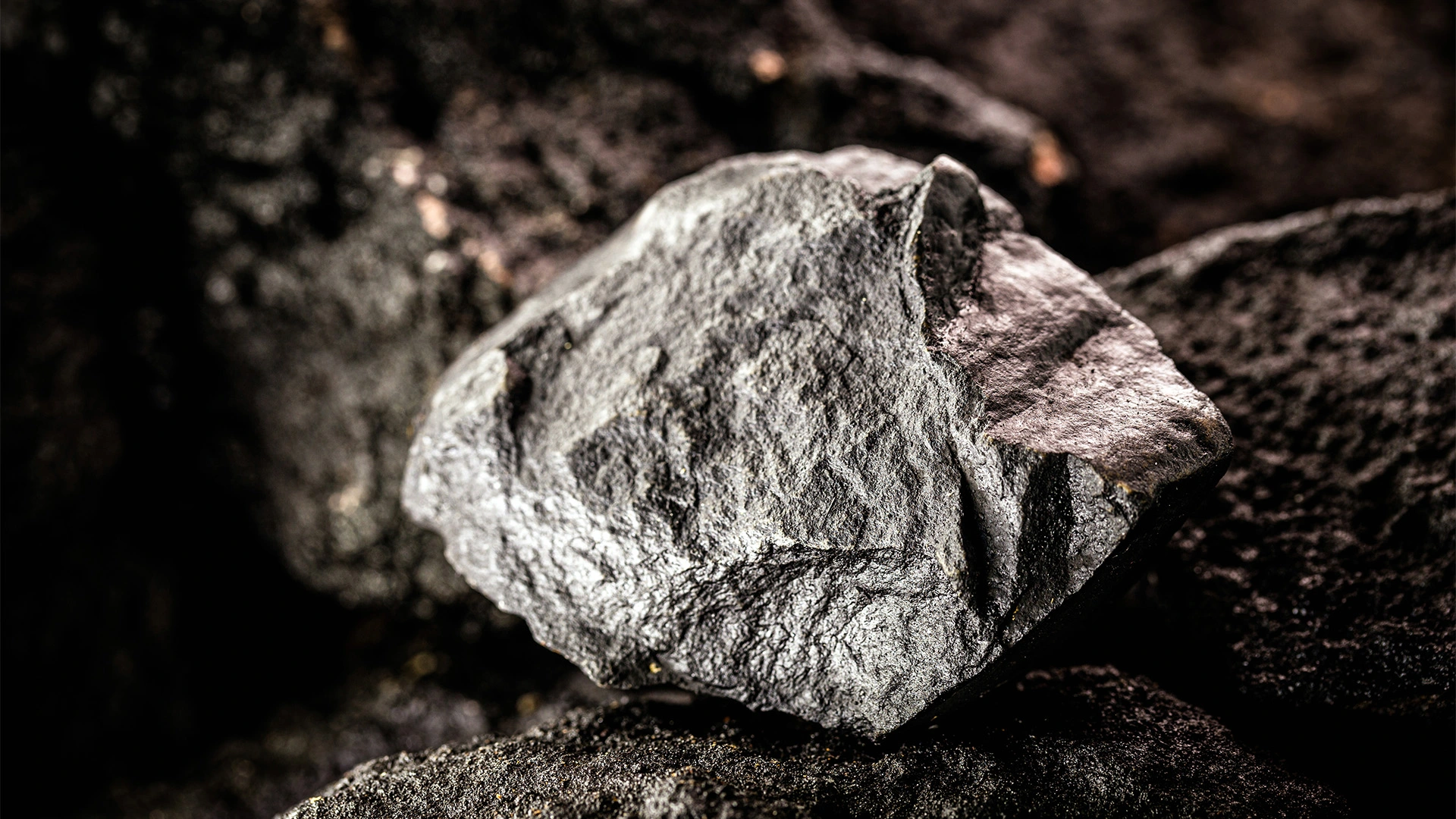
Iron ore’s price plunge, with futures approaching $100 per ton, mirrors China’s bleak economic outlook, impacting the steel ingredient market.
This downturn marks a continuation of earlier this year when prices fell below $140, triggered by diminished demand expectations from China.
The anticipated March steel consumption increase didn’t occur, highlighting the need for cost support sans Beijing stimulus.
Operations, especially in China and India with thinner margins, face challenges against global miners like BHP and Rio Tinto.
Vivek Dhar from the Commonwealth Bank of Australia points out that if China’s steel demand remains steady, iron ore prices might find it hard to stay below the $100 mark.
Iron Ore’s Decline Signals Economic Shifts.
One-stop reference
Company Intelligence
Every listed company in Latin America — financials, ownership and structure for 1,450+ companies across 26 exchanges, in one place.
As of Wednesday, iron ore hit a new low at $103.45 per ton in Singapore, the least since mid-August, with a slight recovery to $104.30.
Similar downward trends were observed in Dalian futures and Shanghai steel contracts.
Commodity prices stabilize when higher-cost producers incur losses, possibly reducing supply to rebalance the market.
Iron ore’s marginal price surged due to production disruptions in Brazil in recent years.
Citigroup analysts suggest cost defense line at $90-$95/ton, indicating potential losses for unconventional producers. Major miners could contemplate reductions below $75 to $80.
Weak demand forecasts, particularly after China’s latest political assembly resulted in only minimal pro-growth initiatives, are driving iron ore prices toward two-digit figures.
Ongoing real estate issues in China exacerbate this trend. Developers like China Vanke and Country Garden face debt stress, highlighting structural market challenges.