IBOV 179,722.48 ▲ 1.30% IPSA 11,315.26 ▼ 1.14% IPC MEX 65,314.78 ▼ 0.18% MERVAL 3,049,455 ▲ 0.51% COLCAP 2,470.26 ▲ 1.86% BVL PERÚ 59,450.29 ▲ 0.11% USD/BRL5.16— 0.00% USD/MXN16.99▼ 0.02% USD/CLP936.45▲ 0.24% USD/COP3,173▼ 1.10% USD/PEN3.36▲ 0.02% USD/ARS1,513▼ 0.02% USD/UYU40.24▲ 1.23% USD/PYG5,873▲ 1.18% USD/BOB12.08▲ 3.43% USD/DOP58.56▲ 0.51% USD/CRC446.47▲ 2.10% USD/GTQ7.62▲ 2.02% USD/HNL26.84▲ 1.46% USD/NIO36.62▲ 0.20% USD/VES799.17▼ 0.13% USD/PAB1.00— 0.00% USD/BZD2.00— 0.00% USD/JMD 157.28 — 0.00% USD/TTD6.69▲ 1.40% EUR/BRL5.96▼ 0.81% BRENT 88.88 ▼ 0.03% WTI 83.11 ▼ 0.11% IRON ORE 161.91 — — COPPER 6.61 ▲ 0.03% GOLD 4,461 ▲ 1.78% SILVER 65.59 ▲ 1.26% SOY 1,184 ▲ 3.20% CORN 480.50 ▲ 10.02% WHEAT 655.00 ▲ 3.93% COFFEE 317.25 ▼ 5.51% SUGAR 16.43 ▼ 1.79% ORANGE JUICE 138.55 ▼ 0.47% COTTON 85.03 ▲ 2.33% COCOA 5,719 ▲ 3.18% BEEF 223.60 ▼ 3.93% CATTLE 339.10 ▼ 3.16% LITHIUM 75.20 ▲ 1.47% PETR4 41.64 ▼ 0.05% VALE3 72.97 ▲ 0.83% ITUB4 38.60 ▼ 1.03% BBDC4 16.85 ▲ 0.36% ABEV3 14.89 ▼ 0.80% BBAS3 19.37 ▲ 0.47% B3SA3 14.26 ▼ 0.21% WEGE3 47.59 ▲ 0.49% PRIO3 59.14 ▼ 0.19% SUZB3 41.33 ▲ 2.35% RENT3 34.68 ▼ 0.09% AZZA3 15.89 ▼ 2.63% CSAN3 3.22 ▼ 1.83% RAIZ4 0.25 — 0.00% PCAR3 2.75 ▼ 0.36% GMAT3 3.65 ▼ 1.08% PSSA3 48.13 ▼ 0.54% CVCB3 1.33 ▼ 2.92% POSI3 3.36 ▲ 2.44% SLCE3 13.34 ▲ 0.30% NATU3 8.14 ▼ 0.73% IBOV 179,722.48 ▲ 1.30% IPSA 11,315.26 ▼ 1.14% IPC MEX 65,314.78 ▼ 0.18% MERVAL 3,049,455 ▲ 0.51% COLCAP 2,470.26 ▲ 1.86% BVL PERÚ 59,450.29 ▲ 0.11% USD/BRL 5.16 ▲ 0.01% USD/MXN 17.06 ▼ 0.24% USD/CLP 913.98 ▲ 0.04% USD/COP 3,140 ▲ 0.03% USD/PEN 3.36 ▼ 0.66% USD/ARS 1,493 ▲ 0.10% USD/UYU 40.27 ▲ 1.24% USD/PYG 5,939 ▲ 1.68% USD/BOB 11.64 ▼ 0.76% USD/DOP 58.34 ▲ 1.25% USD/CRC 445.92 ▲ 0.89% USD/GTQ 7.62 ▲ 2.21% USD/HNL 26.79 ▲ 1.57% USD/NIO 36.62 ▲ 0.69% USD/VES 762.44 ▼ 0.13% USD/PAB 1.00 — 0.00% USD/BZD 2.00 — 0.00% USD/JMD 157.28 — 0.00% USD/TTD 6.70 ▲ 0.61% EUR/BRL 5.95 ▲ 1.01% BRENT 88.88 ▼ 0.03% WTI 83.11 ▼ 0.11% IRON ORE 161.91 — — COPPER 6.61 ▲ 0.03% GOLD 4,461 ▲ 1.78% SILVER 65.59 ▲ 1.26% SOY 1,184 ▲ 3.20% CORN 480.50 ▲ 10.02% WHEAT 655.00 ▲ 3.93% COFFEE 317.25 ▼ 5.51% SUGAR 16.43 ▼ 1.79% ORANGE JUICE 138.55 ▼ 0.47% COTTON 85.03 ▲ 2.33% COCOA 5,719 ▲ 3.18% BEEF 223.60 ▼ 3.93% CATTLE 339.10 ▼ 3.16% LITHIUM 75.20 ▲ 1.47% PETR4 41.64 ▼ 0.05% VALE3 72.97 ▲ 0.83% ITUB4 38.60 ▼ 1.03% BBDC4 16.85 ▲ 0.36% ABEV3 14.89 ▼ 0.80% BBAS3 19.37 ▲ 0.47% B3SA3 14.26 ▼ 0.21% WEGE3 47.59 ▲ 0.49% PRIO3 59.14 ▼ 0.19% SUZB3 41.33 ▲ 2.35% RENT3 34.68 ▼ 0.09% AZZA3 15.89 ▼ 2.63% CSAN3 3.22 ▼ 1.83% RAIZ4 0.25 — 0.00% PCAR3 2.75 ▼ 0.36% GMAT3 3.65 ▼ 1.08% PSSA3 48.13 ▼ 0.54% CVCB3 1.33 ▼ 2.92% POSI3 3.36 ▲ 2.44% SLCE3 13.34 ▲ 0.30% NATU3 8.14 ▼ 0.73%
since 2009
Wednesday, September 2, 2026

Brazil Business - Brazil

Immigrants Have Invested R$1.5 Billion in Brazil in Seven Years

By · August 24, 2019 · 3 min read

Daily Brief

The morning intel from across Latin America. Free.

By subscribing you agree to our privacy policy. We never share your email.

RIO DE JANEIRO, BRAZIL – Immigrants of various nationalities have invested over R$1.5 billion (US$375 million) in Brazil between 2011 and 2018. The information was collected by experts from the International Migration Observatory (OBMIGRA) and consists of a report on migration flow that the Ministry of Justice and Public Security released on Thursday, August 22nd.

According to Leonardo Cavalcanti, "the majority of these immigrants come to Brazil in active age, ready to work and trained."
According to Leonardo Cavalcanti, “the majority of these immigrants come to Brazil already trained and able to work.” (Photo internet reproduction)
One-stop reference
Company Intelligence
Every listed company in Latin America — financials, ownership and structure for 1,450+ companies across 26 exchanges, in one place.
Browse the directory →
RT
Ask Rio Times
Latin American markets, currencies and companies.
Open the full Ask Rio Times →

According to the observatory’s scientific coordinator, Leonardo Cavalcanti, a professor in the Department of Latin American Studies at the University of Brasília, immigrants have invested R$1,565,245,869.00 in businesses in Brazil in a mere seven years. Money was raised abroad and allocated to various businesses, such as hotels, inns, restaurants, and small commercial establishments.

In 2018 alone, Brazil received over R$186.3 million in investments by immigrants legally authorized to live in the country, or who had requested residence permits. The amount is twice the R$92.99 million registered in 2017. Of the total accumulated last year, R$111 million were invested by immigrants already living in the country and R$68 million by individuals awaiting a reply to the request for residence.

Cavalcanti explained that these entrepreneurs come primarily from Italy, France, Japan, and Korea. “The majority of these immigrants come to Brazil at the right age, already trained and able to work. There is a gain of intangible resources with this flow, and it is necessary to adjust public policies to make good use of this potential”.

The annual report of the International Migration Observatory shows that between 2011 and 2018, 774,200 immigrants settled in Brazil legally. Of these, 492,700 fall into the category that specialists classify as long-term immigrants, i.e., those who generally stay in the country for over a year.

For the OBMIGRA coordinator, in addition to benefiting from investments in businesses, Brazil needs to follow the example of countries that have sought to attract people willing to purchase a house to live in or stay from time to time. According to Cavalcanti, Normative Resolution no. 36, approved last year, already addresses the advantages granted to foreigners who invest in real estate assets, but more publicity abroad is required.

“All countries make this available, and Brazil cannot be left out. Other Latin American countries are already working to attract this public. Brazil already has this option and, today, if an immigrant buys a property in Brazil, he will be entitled to live in the country. What we need is to publicize this better, because, until now, we have received few investments of this kind,” said Cavalcanti.
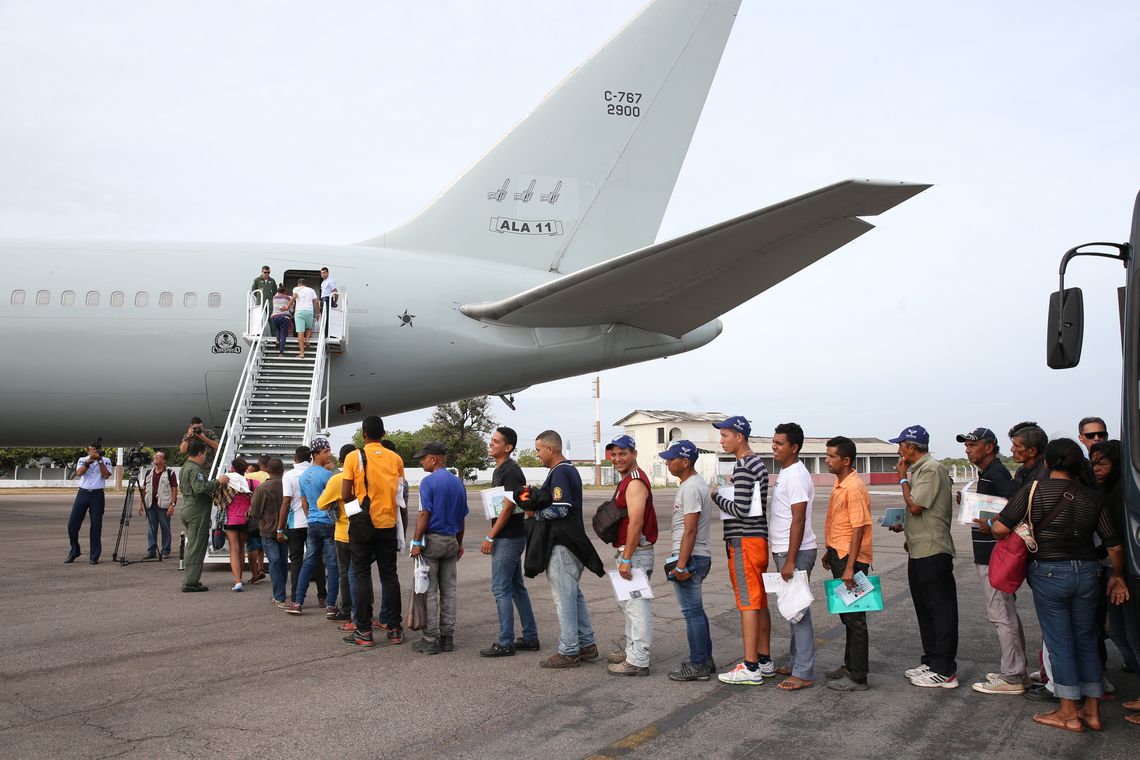
Another aspect public authorities should be aware of is the development of public policies that do not allow discrimination against immigrants who come to the country fleeing from wars, political persecution and environmental disasters, most of the time with no minimum conditions to invest.
Another aspect public authorities should be aware of is the development of public policies that do not allow discrimination against immigrants who come to the country fleeing from wars, political persecution, and environmental disasters, mostly without conditions to invest. (Photo internet reproduction)

According to the coordinator, another aspect public authorities should be aware of is the development of public policies that do not allow discrimination against immigrants who come to the country fleeing from wars, political persecution, and environmental disasters, mostly without conditions to invest.

“There are people who come to Brazil fleeing from very sensitive situations and who, most of the time, do not have financial resources, but have a good level of education or work experience. Even so, those who migrate usually have some resources, because the most vulnerable cannot migrate. It is like in Brazil, where the most vulnerable families cannot even travel from one city to another. Imagine leaving their country. When they reach their destination, many of these people exhibit an entrepreneurial skill that Brazil cannot afford to waste. It is essential to include all those coming to Brazil in search of opportunities,” commented Cavalcanti.

This article was produced by The Rio Times’ automated newsroom system. How we use AI · Report an error

Read More from The Rio Times

The Rio Times · Power Map
See who really holds power in Latin America
Click to open the Power Map

Rotate for Best Experience

This report is optimized for landscape viewing. Rotate your phone for the full experience.