Hostages, Ceasefire, and Power: The Real Stakes in the Netanyahu-Trump Talks
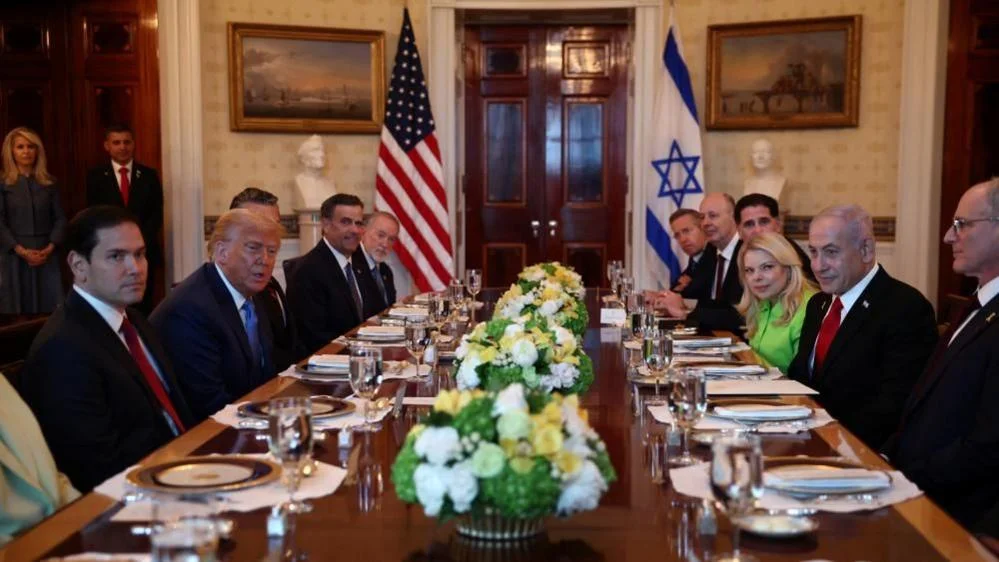
Israeli Prime Minister Benjamin Netanyahu and United States President Donald Trump met in Washington this week, with official statements centering on the urgent release of Israeli hostages in Gaza and negotiations for a ceasefire.
Both leaders also discussed the aftermath of joint military strikes against Iran’s nuclear facilities, which took place in June. These meetings reflect not only humanitarian concerns but also deep strategic calculations.
They carry significant implications for regional stability and international business interests. Netanyahu stated that Israel will continue its military campaign in Gaza until it eliminates Hamas’s military and governmental capabilities.
He insisted that only this outcome will prevent Gaza from threatening Israel again. Trump, while supporting Israel’s objectives, has pressed for a halt to the fighting, seeking a deal that includes a 60-day ceasefire, the release of hostages, and increased humanitarian aid for Gaza.
The United States has played a key role in facilitating talks, with Qatar acting as the main mediator between Israel and Hamas. Negotiations in Doha have narrowed the differences between Israel and Hamas, but significant obstacles remain.
Israel has rejected several amendments proposed by Hamas, particularly those demanding a permanent ceasefire and full Israeli withdrawal from Gaza. However, both sides continue indirect talks, with the hope of reaching an agreement soon.
Trump’s envoy, Steve Witkoff, expressed optimism that a deal could be finalized by the end of the week. The conflict’s roots trace back to October 2023, when Hamas attacked southern Israel, killing about 1,200 people and capturing 251 hostages.
As of now, Israeli authorities estimate that around 50 hostages remain in Gaza, with 20 believed to be alive. The ongoing war has devastated Gaza, causing tens of thousands of deaths and severe shortages of basic supplies.
The June strikes on Iranian nuclear facilities marked a significant escalation. Israel, with U.S. support, targeted key sites at Natanz, Isfahan, and Fordow, aiming to degrade Iran’s capacity to produce weapons-grade uranium.
U.S. officials have assessed that these strikes set back Iran’s nuclear program by one to two years. Both countries have signaled readiness to act again if Iran attempts to rebuild its nuclear capabilities.
These developments carry weighty implications for global markets and regional business interests. The risk of further escalation threatens energy supplies and trade routes, especially with ongoing instability in the Red Sea and Persian Gulf.
Companies with stakes in the region must monitor the situation closely, as any renewed conflict could disrupt logistics, supply chains, and investment flows.
The real story behind the official statements is the intersection of humanitarian concerns, national security, and economic interests. The outcome of these negotiations will shape not only the future of Gaza and Israel.
It will also influence the broader business environment across the Middle East. The stakes remain high, and every decision carries consequences for governments, corporations, and ordinary people alike.
This article was produced by The Rio Times’ automated newsroom system. How we use AI · Report an error
Read More from The Rio Times