Nvidia Becomes First $4 Trillion Company, Surpassing the Economies of the UK and France
Nvidia has reached a $4 trillion market value, the highest ever for a public company, according to official filings and company reports.
This milestone reflects soaring demand for its AI chips, as its stock price climbed to $164.32 and the company’s technology became central to artificial intelligence systems worldwide.
Nvidia supplies about 90% of the chips used in data centers for AI, based on company reports and industry data. Companies like Microsoft, Amazon, Google, Meta, and Tesla depend on Nvidia’s technology to run and train advanced AI models.
This demand has pushed Nvidia’s revenue to $130.5 billion for fiscal year 2025, more than double the previous year. The company’s growth stands out in the stock market.
Nvidia’s shares are up nearly 20% this year and have surged 1,500% over five years. This rapid rise has made Nvidia more valuable than Microsoft and Apple.
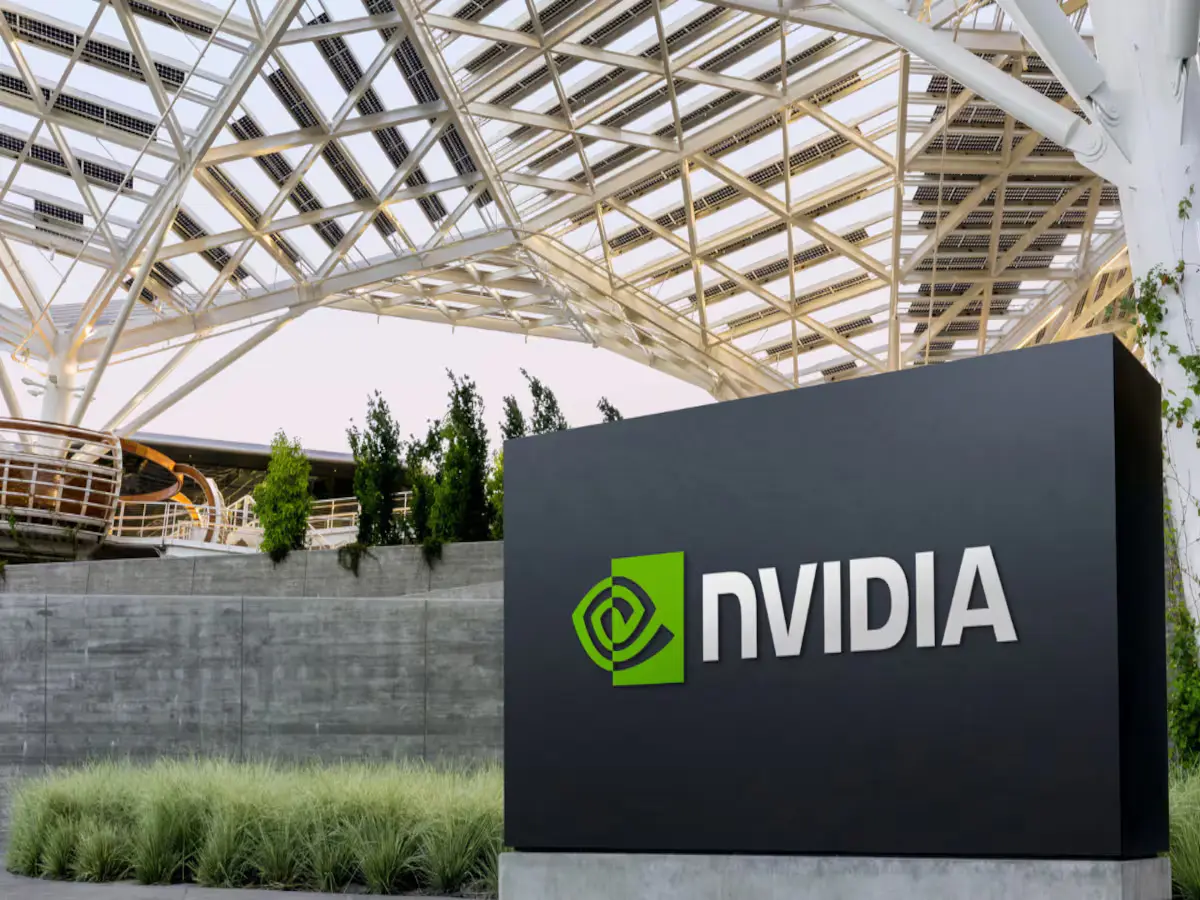
Nvidia’s success comes from more than just fast chips. Its software tools help developers build powerful AI systems, making Nvidia a key part of the AI economy.
Global spending on AI data centers is set to exceed $200 billion in 2025, showing how important this technology has become for business. To put Nvidia’s $4 trillion value in perspective, it surpasses the annual economic output of most countries.
For example, Germany’s GDP is about $4.7 trillion, and Japan’s is $4.1 trillion. Nvidia’s market value is larger than the entire economies of the United Kingdom, France, India, or Canada, each with GDPs below $4 trillion.
Only the United States, China, Germany, and Japan have larger economies. The real story is simple: as businesses race to use AI, Nvidia provides the tools they need.
Its $4 trillion value is not just a financial record—it shows how AI is now at the heart of business growth and competition. All data in this article comes from Nvidia’s official reports and verified market figures.
This article was produced by The Rio Times’ automated newsroom system. How we use AI · Report an error
Read More from The Rio Times