Honduras Shrimp Industry Struggles for Stability After Switch From Taiwan to China
Official trade data and government reports show that Honduras’s shrimp industry is in a tough spot.
After cutting diplomatic ties with Taiwan in 2023 and establishing official relations with China, Honduras hoped to replace lost shrimp sales to Taiwan with new opportunities in China.
In early 2024, Honduran shrimp gained tariff-free access to the Chinese market. Officials from both countries announced the first shipment—36 tons—to China, with plans to send as many as 250 containers by year-end.
However, Chinese buyers bought far less than promised. By October 2024, only a small fraction of the expected shipments had actually sold.
Honduras’s shrimp exports then dropped sharply, hurting an industry that accounts for about 2% of the country’s economy and supports around 150,000 jobs. In just one year, shrimp sales to Taiwan dropped from over 11 million kilograms to 4.2 million.
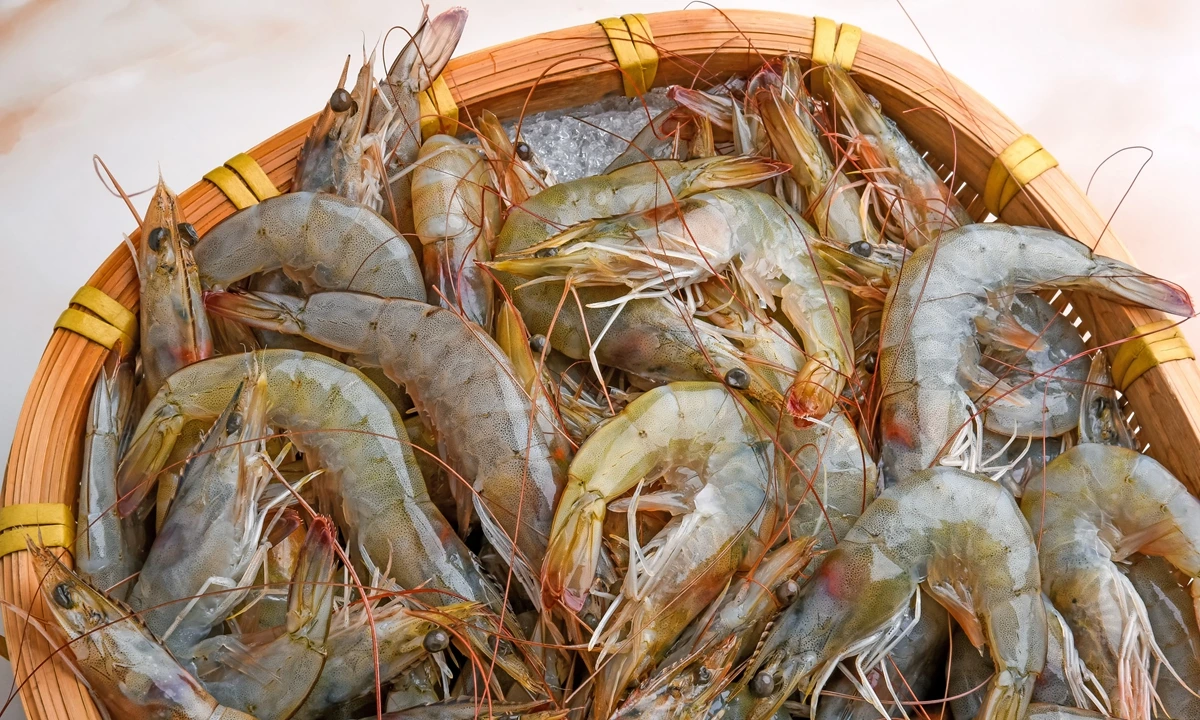
Overall, Honduras shipped 29 million kilograms of shrimp in 2024, down from nearly 36 million the year before. Shrimp export income fell as well, from about $225 million to $185 million by October.
Exporters also face new costs. With global prices down and expenses for energy and feed rising, over 60 shrimp farms closed in Honduras in 2024. The industry lost around $63 million in that period.
To cope, Honduras shipped more shrimp to Europe, now the main market, taking over 10 million kilograms in 2024. Yet, neither new markets nor the China deal have filled the gap left by Taiwan.
Official Chinese data show imports from Honduras totaled under $100 million in 2024, much less than expected. This transition shows that opening a new market is not simple. Honduran producers now compete with much bigger exporters like Ecuador.
They must also meet China’s strict food safety rules. While officials keep working on a broader trade deal, official reports and figures make clear one thing.
The diplomatic switch has not paid off yet for Honduras’s shrimp industry. The path to recovery, steady sales, and new jobs looks longer than hoped.
More: Latin America news in English, every day from The Rio Times.
This article was produced by The Rio Times’ automated newsroom system. How we use AI · Report an error · Editorial responsibility: Matthias Camenzind, Editor-in-Chief