Guinea Moves Toward New US$425 Million IMF Financing Deal
Guinea · FINANCE
Key Facts
—Program size: The staff-level agreement covers a 41-month Extended Credit Facility that could unlock about $425 million, equal to 145% of Guinea’s IMF quota.
—Approval timeline: IMF management and the Executive Board are expected to consider approval in September 2026.
—Discussions held: Guinea and IMF staff reached the agreement after talks in Conakry from June 16 to 29, 2026.
—Simandou link: Finance Minister Mariama Ciré IMF mission chief Izabela Karpowicz said Guinea is at an important economic juncture as the Simandou iron ore project enters production.
—Policy goals: The arrangement aims to improve liquidity management, increase exchange-rate flexibility, rebuild foreign-exchange reserves, and strengthen shock preparedness.
—Previous IMF support: Guinea’s prior Extended Credit Facility was approved in December 2017 for about SDR 120.49 million, covering 2017 to 2020.
Guinea IMF financing is moving forward with a staff-level agreement on a 41-month Extended Credit Facility that could provide about $425 million, with board approval expected in September 2026. The deal is designed to help the country capture more mining revenue and manage its growing resource wealth before the Simandou iron-ore project transforms the economy.
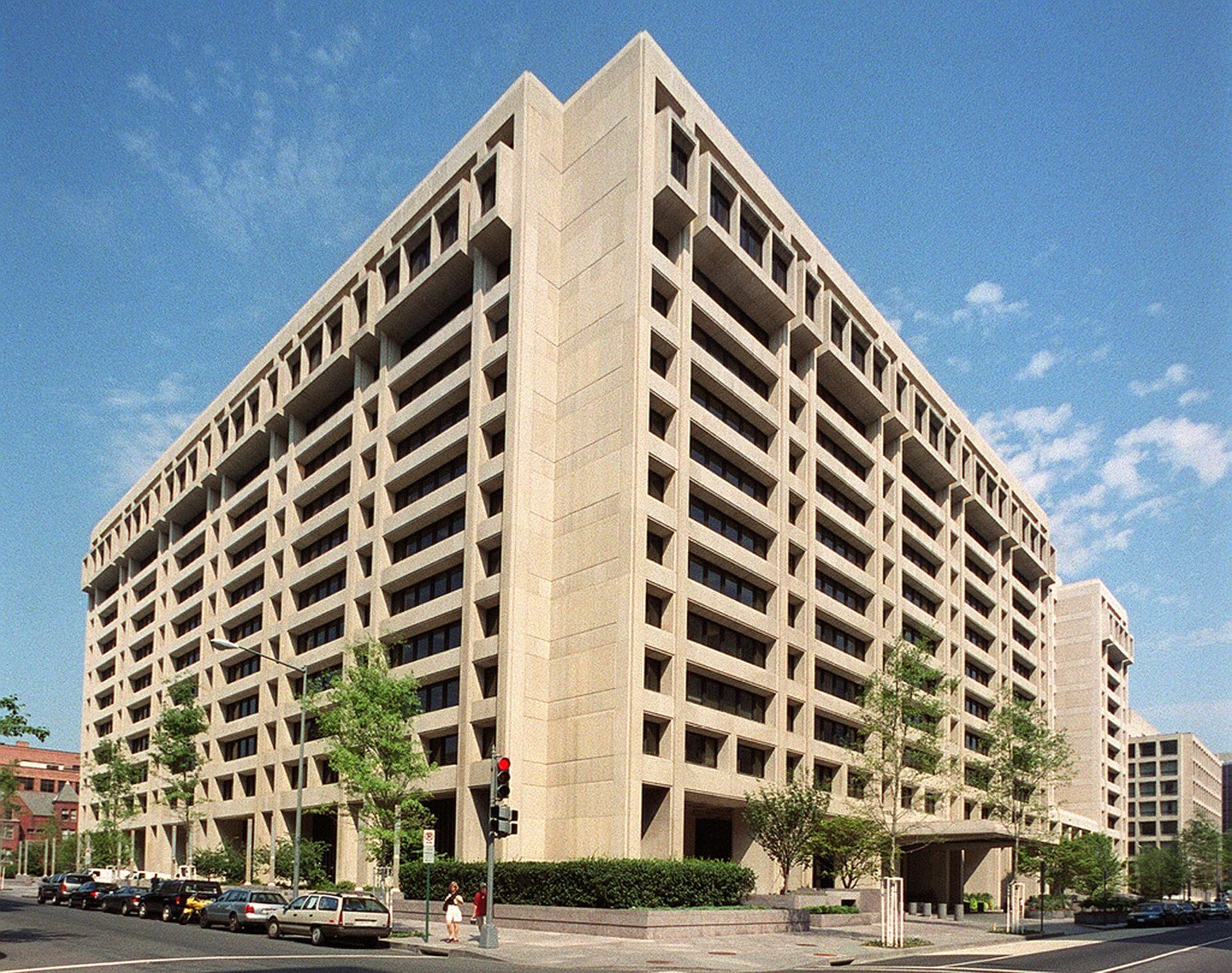
What the Guinea IMF financing package contains
Guinea and International Monetary Fund staff reached the agreement after discussions in Conakry from June 16 to 29, 2026. The program runs for 41 months under the IMF’s Extended Credit Facility, a concessional lending tool for low-income countries that typically spans three to five years.
The package could unlock about $425 million, equivalent to 145% of Guinea’s IMF quota. IMF management and the Executive Board are expected to consider approval in September 2026.
The IMF says the arrangement is intended to help Guinea capture more mining revenue and strengthen management of resource wealth. It also targets better liquidity management, increased exchange-rate flexibility, rebuilt foreign-exchange reserves, and improved shock preparedness.
Why Simandou sits at the centre of the deal
Simandou is the centrepiece of the story. The IMF’s own statement links the programme to the Simandou ramp-up, describing the financing as designed to help Guinea capture more mining revenue and strengthen management of its growing resource wealth.
Finance Minister Mariama Ciré IMF mission chief Izabela Karpowicz said Guinea is at an important economic juncture as Simandou enters production. That makes the arrangement part of a broader state-building effort around mining taxation, public investment planning, and foreign-exchange reserve accumulation.
Guinea is trying to build institutions before the biggest revenues arrive. Large resource projects often generate currency appreciation, import booms, spending spikes, and corruption risks unless the state has credible fiscal, reserve, and debt-management systems.
The money and power stakes behind Guinea IMF financing
The IMF’s role here is not just lender-of-last-resort financing. It is setting a policy framework for how Guinea should handle expected mining revenues, including reserve rebuilding, exchange-rate flexibility, and public policy credibility.
In practical terms, that gives the Fund leverage over the rules of the future boom. A program like this also strengthens the position of Guinea’s finance ministry and technocratic economic team relative to ad hoc political spending.
Control over budget execution and mining rents is a source of real power in any political system. The sources do not explicitly detail internal factions, so this should be framed carefully as structural analysis rather than a reported fact.
The great-power and regional read-through
Guinea’s mining sector, especially Simandou, has long been an arena where Chinese, Western, and Gulf-linked commercial interests compete for access, contracts, logistics, and infrastructure. The IMF deal sits inside that larger competition because whoever helps finance roads, rail, ports, and processing capacity may also shape Guinea’s future export orientation and political alignments.
This is an inference from the mining-and-infrastructure context in the reporting, not a direct claim from the cited articles. The broader pattern fits our coverage of Africa: The New Scramble, where resource governance and foreign financing intersect.
For West African neighbours, Guinea’s approach offers a test case. If the IMF framework helps Guinea manage the Simandou windfall, it could become a reference point for other resource-rich states in the region.
Guinea’s existing IMF relationship
Guinea is already in an active creditor relationship with the Fund. Its previous Extended Credit Facility arrangement was approved in December 2017 for about SDR 120.49 million, around $170 million, covering the period 2017 to 2020.
In May 2024, the IMF approved SDR 53.55 million, about $71 million, in emergency Rapid Credit Facility financing after the late-2023 fuel depot explosion. The IMF’s current Guinea country page notes outstanding loans from prior ECF and RCF arrangements.
The new program appears to continue that logic, but with much bigger stakes because of Simandou. The IMF’s stated policy goals are broad but standard for low-income country ECF programs: consolidate economic stability, strengthen public-policy credibility, mobilise additional financing, and improve resource-revenue management.
What to watch next on Guinea IMF financing
The next milestone is the IMF Executive Board meeting expected in September 2026. Approval there would unlock the first tranche of the $425 million package and set the policy conditions Guinea must meet over the following 41 months.
Investors and regional partners will watch whether Guinea can convert future mining income into durable fiscal capacity rather than one-off gains. The program’s success will depend on how well the government manages exchange-rate pressure, reserve accumulation, and public spending discipline as Simandou revenues begin to flow.
The deal also signals to foreign mining interests that Guinea is locking in a governance framework before the windfall arrives. That could shape contract negotiations, infrastructure financing, and the broader contest over Guinea’s mineral wealth in the years ahead.
Frequently Asked Questions
How much IMF financing is Guinea seeking?
Guinea reached a staff-level agreement on a 41-month Extended Credit Facility that could provide about $425 million, equal to 145% of Guinea’s IMF quota.
When will the IMF board decide on Guinea’s program?
IMF management and the Executive Board are expected to consider approval in September 2026.
Why does the Simandou iron-ore project matter for this deal?
Finance Minister Mariama Ciré IMF mission chief Izabela Karpowicz said Guinea is at an important economic juncture as Simandou enters production, making the deal a framework for managing the coming resource windfall.
Connected Coverage
This story sits within our broader coverage of resource governance and foreign financing across the continent: Africa: The New Scramble.
Sources
This article was produced by The Rio Times’ automated newsroom system. How we use AI · Report an error
LatAm Markets: Live Signals → — real-time movers, turnover leaders and FX across Latin America.
Read More from The Rio Times