Angola Says Industrial Plants Rose 44% in a Year as It Looks Beyond Oil
Angola · ECONOMY
Key Facts
- —The country Angola, a former Portuguese colony on Africa’s south-west coast, has about 39 million people and a US$122 billion economy, roughly a twentieth of Canada’s (World Bank, 2025).
- —Why it matters Oil and gas supply more than 90 percent of Angola’s exports, so each slide in crude prices hits its currency, budget and jobs.
- —Why now Industry and Commerce Minister Rui Miguêns de Oliveira gave new factory figures on Thursday, 24 September, opening the Expo-Huambo trade fair in the central highlands.
- —What happened He said Angola now has 992 industrial units, 44 percent more than a year earlier, using 54 percent of their capacity, up from 48 percent.
- —The numbers Manufacturing is only about 6.8 percent of gross domestic product (GDP), the central bank estimates; food and drinks make up 59 percent of industrial output.
- —What it means for you Inflation fell to 8.78 percent in August and interest rates are falling, which lowers costs for investors, importers and visitors.
- —Still open The 992 count comes from the minister alone; no breakdown by size, sector or jobs has been published.
Angola, one of Africa’s biggest oil producers, says its factory base grew by 44 percent in a year. Manufacturing is still a small slice of an economy that lives on crude.
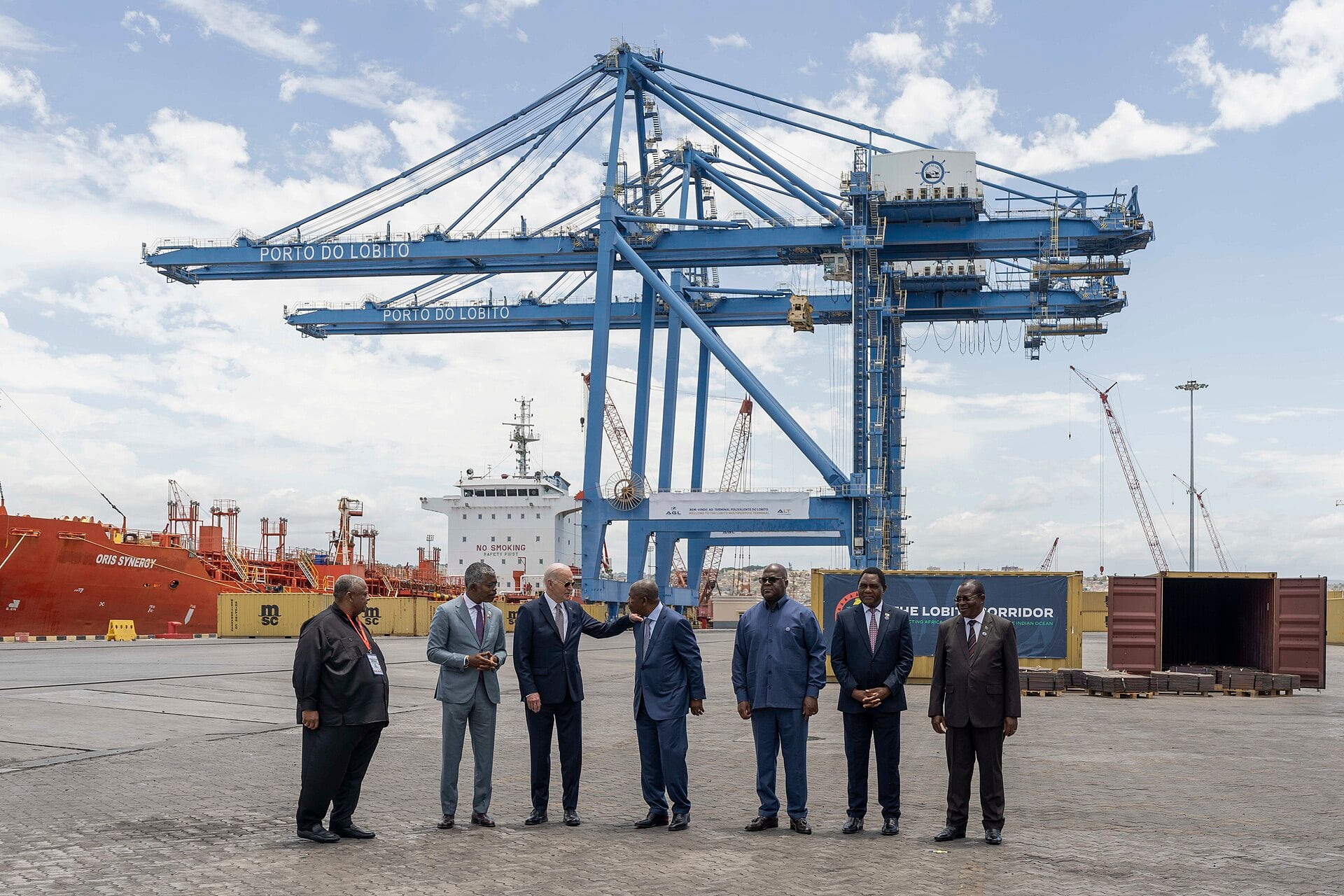
The number of industrial units in Angola has risen to 992, the government said on Thursday. That is 44 percent more than a year earlier, in a country where oil still pays most of the bills.
Angola is a country of about 39 million people on Africa’s south-west Atlantic coast, and a former Portuguese colony. Most of its oil comes from deep-water fields off the coast near the capital, Luanda.
What the minister said
Industry and Commerce Minister Rui Miguêns de Oliveira gave the figures on 24 September at the opening of Expo-Huambo 2026. The trade fair is held in Huambo, a city in the central highlands.
He said the plants now use 54 percent of their installed capacity, up from 48 percent. In other words, existing factories are producing more, not just new ones opening.
Food processing accounts for 44 percent of industrial output and drinks for 15 percent, the minister said. Both sectors mainly supply shops and markets inside Angola.
He also said Prodesi, a state credit programme for local producers, lent 70.1 billion kwanzas (about US$75 million) by the end of June. Figures here use 931 kwanzas per US dollar (open.er-api.com, 27 September 2026).
The 992 count comes from the ministry and was reported by the state-owned Jornal de Angola. The government has not published a breakdown by size, sector, location or number of jobs.
A small industrial base in an oil economy
The rise starts from a low base. Manufacturing adds only about 6.8 percent of gross domestic product (GDP), the National Bank of Angola estimates for 2025.
That figure is cited in Angola’s March 2026 report to the United Nations office for the least developed countries. The same report lists a new aluminium plant north of Luanda and a vehicle assembly plant among recent projects.
Oil and gas still provide more than 90 percent of Angola’s exports and most of the government’s revenue. Output has drifted down for years as older offshore fields age.
That leaves the country exposed to world oil prices. When crude falls, the kwanza, the budget and imports of food and parts all come under pressure together.
Growth and falling prices
The economy grew 3.1 percent in 2025, according to the national statistics institute, INE. Non-oil activity did most of the work.
Growth then picked up. INE said GDP rose 5.32 percent year on year in the first quarter of 2026 and 8.74 percent in the second.
Prices are also calming. Annual inflation fell to 8.78 percent in August, from 9.33 percent in July, INE said.
July was the first reading below 10 percent since the national index began in 2015. The central bank cut its key rate from 17 percent to 15.75 percent in July, then to 14.75 percent on 15 September.
The Lobito Corridor and the race for minerals
Angola is also betting on mining, farming, logistics and the Lobito Corridor. This US- and EU-backed rail and port route links copper mines in Congo and Zambia to Angola’s Atlantic port of Lobito.
China remains Angola’s biggest creditor and the main buyer of its oil. Western lenders are now more active in railways, ports and power.
That places Angola between competing great-power interests in Central African minerals. Cheaper transport along the corridor could also help local factories buy inputs and reach export markets.
For deeper context on how Angola fits into the wider contest for African minerals and routes, see Africa: The New Scramble.
What it means for investors and visitors
For foreign investors, the openings are mainly in food processing, drinks, building materials and logistics. These sectors sell into a young, fast-growing home market.
Returns will take time. Patchy electricity outside the cities, currency risk and slow paperwork remain real obstacles for new plants.
For visitors and residents, lower inflation means steadier local prices. Better credit conditions could also bring more locally made goods to shop shelves.
What to watch next
The key test is whether the government publishes detailed data behind the 992 figure. Another is whether manufacturing’s share of GDP starts to climb above its current level.
Inflation and interest rates over the rest of 2026 will shape the cost of credit for industry. In July, the central bank forecast inflation of about 8.6 percent by year-end.
The number of industrial units in Angola is rising, but the economy still moves with the oil price. A broader base will take years, not quarters.
Frequently Asked Questions
How many industrial units does Angola have?
Industry and Commerce Minister Rui Miguêns de Oliveira said on 24 September 2026 that Angola has 992 industrial units. That is 44 percent more than a year earlier, though no breakdown by sector has been published.
How dependent is Angola on oil?
Oil and gas provide more than 90 percent of Angola’s exports and most of the government’s revenue. Manufacturing is only about 6.8 percent of the economy, according to the central bank.
What is Angola doing to reduce its dependence on oil?
It lends to local producers through Prodesi, a state programme that disbursed about US$75 million by the end of June 2026. It is also betting on food processing, mining and the Lobito Corridor rail link.
Is inflation in Angola falling?
Yes, annual inflation fell to 8.78 percent in August 2026, the second month below 10 percent. The central bank has cut its main interest rate to 14.75 percent.
Connected Coverage
Sources
This article was produced by The Rio Times’ automated newsroom system. How we use AI · Report an error
LatAm Markets: Live Signals → — real-time movers, turnover leaders and FX across Latin America.
Read More from The Rio Times