Germany Pushes EU-Wide Nord Stream Ban to Block Russian-American Revival Talks
German Chancellor Friedrich Merz advocates for European Union sanctions against Nord Stream pipelines after secret negotiations between Russian and American business interests emerged in March.
The move aims to prevent any future reactivation of the damaged Baltic Sea gas infrastructure. Reports revealed that Russian and American entrepreneurs conducted discussions about resuming gas flows through the remaining operational pipeline string.
These talks involved former Nord Stream 2 managing director Matthias Warnig and American businessman Stephen Lynch. The negotiations centered on the Swiss-based Nord Stream 2 AG, owned entirely by Russia’s Gazprom.
Merz’s strategy transforms a bilateral German issue into a European-wide decision. This approach shields Berlin from direct pressure by either Washington or Moscow regarding pipeline reactivation.
The Chancellor consulted with European Commission President Ursula von der Leyen, who confirmed Nord Stream sanctions would feature in the upcoming 18th sanctions package against Russia.
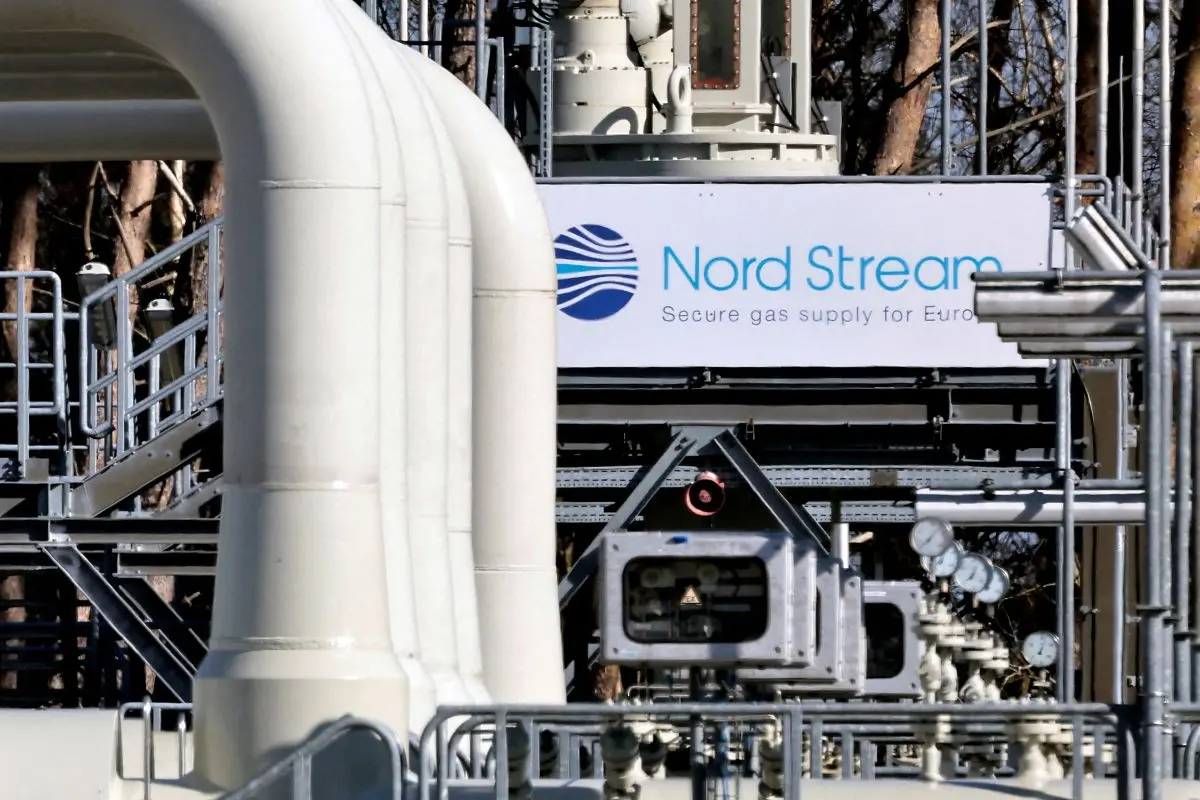
The pipeline system originally transported 55 billion cubic meters of gas annually from Russia to Germany. Explosions in September 2022 destroyed three of four pipeline strings, leaving only one Nord Stream 2 line potentially operational.
Russia had already suspended deliveries through Nord Stream 1 in August 2022. American opposition to Nord Stream dates back to 2019 congressional legislation targeting pipeline construction vessels.
EU Considers Expanded Sanctions on Nord Stream 2
The Biden administration strengthened these measures in 2021 by sanctioning Nord Stream 2 AG and related entities. Current discussions reflect ongoing geopolitical tensions over European energy independence.
The proposed EU sanctions require unanimous approval from all member states. European officials plan formal discussions this weekend to finalize the measures.
The sanctions would target Nord Stream 2 AG and companies necessary for pipeline operations, creating legal barriers against future investment. Domestic German politics complicate the issue.
The Alternative for Germany party supports pipeline reactivation, while polls show 49 percent of residents in Mecklenburg-Vorpommern favor resuming Russian gas deliveries.
Merz’s European approach avoids these domestic debates while maintaining Germany’s energy security priorities. The sanctions represent Europe’s commitment to reducing Russian energy dependence despite potential economic costs.
This decision eliminates Nord Stream as a future diplomatic bargaining tool between Russia and European nations.
This article was produced by The Rio Times’ automated newsroom system. How we use AI · Report an error · Editorial responsibility: Matthias Camenzind, Editor-in-Chief