Germany Posts Best Growth Since 2022 as Firms Beat Tariff Deadline in Q1 2025
Germany's Federal Statistical Office revised first-quarter GDP growth to 0.4 percent, doubling initial estimates and marking the strongest expansion since...
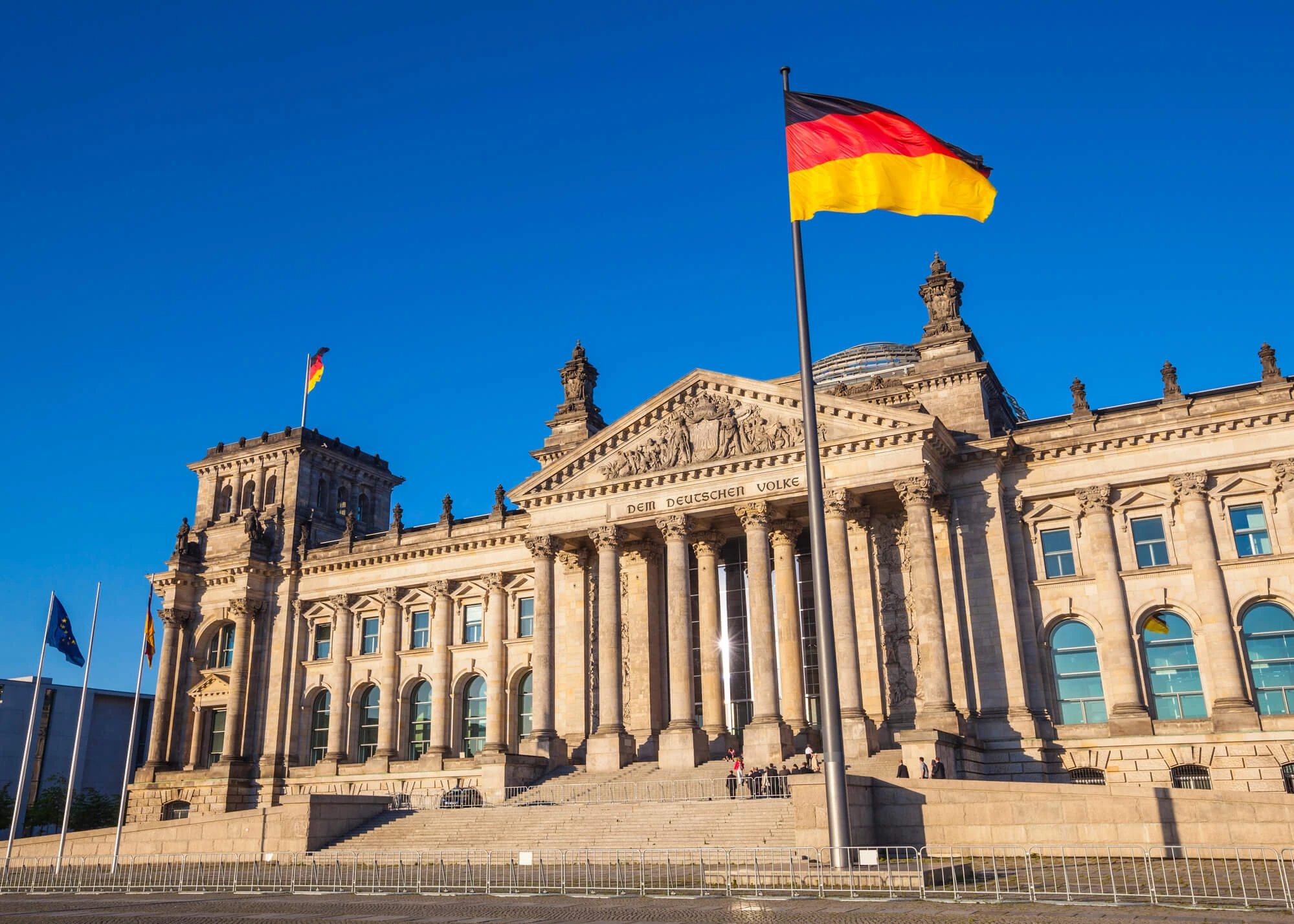
Germany’s Federal Statistical Office revised first-quarter GDP growth to 0.4 percent, doubling initial estimates and marking the strongest expansion since late 2022.
The upward revision reflects March’s unexpected economic acceleration driven by manufacturing and export gains. German companies rushed shipments to beat anticipated U.S. tariff adjustments, pushing total exports up 3.2 percent during the quarter.
Automotive and pharmaceutical sectors led this increase, with vehicle exports alone generating a 7.8 billion euro trade surplus with America. This represents a 26 percent increase from the previous year’s first quarter.
Manufacturing output rose 1.0 percent while construction expanded 0.9 percent. Private consumption climbed 0.5 percent as declining inflation boosted household spending power.
Equipment investments grew 0.7 percent, suggesting business confidence remained intact despite looming trade recalibrations. However, economists warn this performance creates a misleading picture.
The economy contracted 0.2 percent compared to 2024’s first quarter, highlighting persistent structural weaknesses. Germany has not achieved consecutive quarterly growth in three years, creating what analysts describe as a sawtooth economic pattern.
Trade recalibrations now threaten future performance. U.S. tariff adjustments implemented in April target German automotive exports, which generated the largest component of bilateral trade surplus. Economic advisers have downgraded 2025 growth forecasts to zero, citing trade policy impacts.
The timing reveals strategic corporate behavior. German exporters accelerated deliveries before tariff barriers took effect, artificially inflating first-quarter numbers. This front-loading means subsequent quarters likely face corresponding declines as order books normalize.
Germany’s economy remains roughly at 2019 pre-pandemic levels, illustrating prolonged stagnation. The current quarter faces headwinds from new trade restrictions, making sustained recovery unlikely without resolution of commercial disputes.
This article was produced by The Rio Times’ automated newsroom system. How we use AI · Report an error