IBOV 208,865.27 ▲ 8.72% IPSA 11,072.62 ▲ 1.43% IPC MEX 64,531.68 ▲ 1.10% MERVAL 2,882,805 ▲ 4.16% COLCAP 2,576.14 ▲ 2.43% BVL PERÚ 59,860.04 ▲ 0.55% USD/BRL5.00▼ 4.10% USD/MXN18.07▼ 0.54% USD/CLP970.98▼ 1.97% USD/COP3,202▼ 1.60% USD/PEN3.45▲ 0.30% USD/ARS1,520▼ 0.35% USD/UYU40.34▼ 0.30% USD/PYG5,844▲ 0.40% USD/BOB11.95▲ 0.17% USD/DOP59.80▼ 0.17% USD/CRC455.71▼ 0.15% USD/GTQ7.63▼ 0.09% USD/HNL26.86▼ 0.01% USD/NIO36.62— 0.00% USD/VES869.19▼ 0.13% USD/PAB1.00— 0.00% USD/BZD2.00— 0.00% USD/JMD 157.28 — 0.00% USD/TTD6.68▼ 0.14% EUR/BRL5.61▼ 4.76% BRENT 88.88 ▼ 0.03% WTI 83.11 ▼ 0.11% IRON ORE 161.91 — — COPPER 6.61 ▲ 0.03% GOLD 4,461 ▲ 1.78% SILVER 65.59 ▲ 1.26% SOY 1,184 ▲ 3.20% CORN 480.50 ▲ 10.02% WHEAT 655.00 ▲ 3.93% COFFEE 317.25 ▼ 5.51% SUGAR 16.43 ▼ 1.79% ORANGE JUICE 138.55 ▼ 0.47% COTTON 85.03 ▲ 2.33% COCOA 5,719 ▲ 3.18% BEEF 223.60 ▼ 3.93% CATTLE 339.10 ▼ 3.16% LITHIUM 75.20 ▲ 1.47% PETR4 41.64 ▼ 0.05% VALE3 72.97 ▲ 0.83% ITUB4 38.60 ▼ 1.03% BBDC4 16.85 ▲ 0.36% ABEV3 14.89 ▼ 0.80% BBAS3 19.37 ▲ 0.47% B3SA3 14.26 ▼ 0.21% WEGE3 47.59 ▲ 0.49% PRIO3 59.14 ▼ 0.19% SUZB3 41.33 ▲ 2.35% RENT3 34.68 ▼ 0.09% AZZA3 15.89 ▼ 2.63% CSAN3 3.22 ▼ 1.83% RAIZ4 0.25 — 0.00% PCAR3 2.75 ▼ 0.36% GMAT3 3.65 ▼ 1.08% PSSA3 48.13 ▼ 0.54% CVCB3 1.33 ▼ 2.92% POSI3 3.36 ▲ 2.44% SLCE3 13.34 ▲ 0.30% NATU3 8.14 ▼ 0.73% IBOV 208,865.27 ▲ 8.72% IPSA 11,072.62 ▲ 1.43% IPC MEX 64,531.68 ▲ 1.10% MERVAL 2,882,805 ▲ 4.16% COLCAP 2,576.14 ▲ 2.43% BVL PERÚ 59,860.04 ▲ 0.55% USD/BRL 5.16 ▲ 0.01% USD/MXN 17.06 ▼ 0.24% USD/CLP 913.98 ▲ 0.04% USD/COP 3,140 ▲ 0.03% USD/PEN 3.36 ▼ 0.66% USD/ARS 1,493 ▲ 0.10% USD/UYU 40.27 ▲ 1.24% USD/PYG 5,939 ▲ 1.68% USD/BOB 11.64 ▼ 0.76% USD/DOP 58.34 ▲ 1.25% USD/CRC 445.92 ▲ 0.89% USD/GTQ 7.62 ▲ 2.21% USD/HNL 26.79 ▲ 1.57% USD/NIO 36.62 ▲ 0.69% USD/VES 762.44 ▼ 0.13% USD/PAB 1.00 — 0.00% USD/BZD 2.00 — 0.00% USD/JMD 157.28 — 0.00% USD/TTD 6.70 ▲ 0.61% EUR/BRL 5.95 ▲ 1.01% BRENT 88.88 ▼ 0.03% WTI 83.11 ▼ 0.11% IRON ORE 161.91 — — COPPER 6.61 ▲ 0.03% GOLD 4,461 ▲ 1.78% SILVER 65.59 ▲ 1.26% SOY 1,184 ▲ 3.20% CORN 480.50 ▲ 10.02% WHEAT 655.00 ▲ 3.93% COFFEE 317.25 ▼ 5.51% SUGAR 16.43 ▼ 1.79% ORANGE JUICE 138.55 ▼ 0.47% COTTON 85.03 ▲ 2.33% COCOA 5,719 ▲ 3.18% BEEF 223.60 ▼ 3.93% CATTLE 339.10 ▼ 3.16% LITHIUM 75.20 ▲ 1.47% PETR4 41.64 ▼ 0.05% VALE3 72.97 ▲ 0.83% ITUB4 38.60 ▼ 1.03% BBDC4 16.85 ▲ 0.36% ABEV3 14.89 ▼ 0.80% BBAS3 19.37 ▲ 0.47% B3SA3 14.26 ▼ 0.21% WEGE3 47.59 ▲ 0.49% PRIO3 59.14 ▼ 0.19% SUZB3 41.33 ▲ 2.35% RENT3 34.68 ▼ 0.09% AZZA3 15.89 ▼ 2.63% CSAN3 3.22 ▼ 1.83% RAIZ4 0.25 — 0.00% PCAR3 2.75 ▼ 0.36% GMAT3 3.65 ▼ 1.08% PSSA3 48.13 ▼ 0.54% CVCB3 1.33 ▼ 2.92% POSI3 3.36 ▲ 2.44% SLCE3 13.34 ▲ 0.30% NATU3 8.14 ▼ 0.73%
since 2009
Monday, October 5, 2026

Genetic Superpower: Science Reveals Brazil as World’s Most Genetically Diverse Nation

By · May 20, 2025 · 2 min read

Scientists from the University of São Paulo have discovered 8.7 million previously undocumented genetic variants in Brazil’s population.

The groundbreaking study, published in the prestigious journal Science, analyzed complete genomic sequences from over 2,700 Brazilians who participated in the research over five years.

The study highlights Brazil’s unique position as possibly the world’s most genetically diverse country. This diversity stems from centuries of mixing between indigenous populations, Portuguese colonizers, enslaved Africans, and later waves of European and Asian immigrants.

The research team identified over 36,000 variants that could potentially affect health outcomes. Dr. Lygia V. Pereira, a leading geneticist involved in the study, emphasizes that this research fills a critical gap in genetic science.

Most genetic databases currently overrepresent white European populations, leaving significant blind spots for those with African or indigenous ancestry.
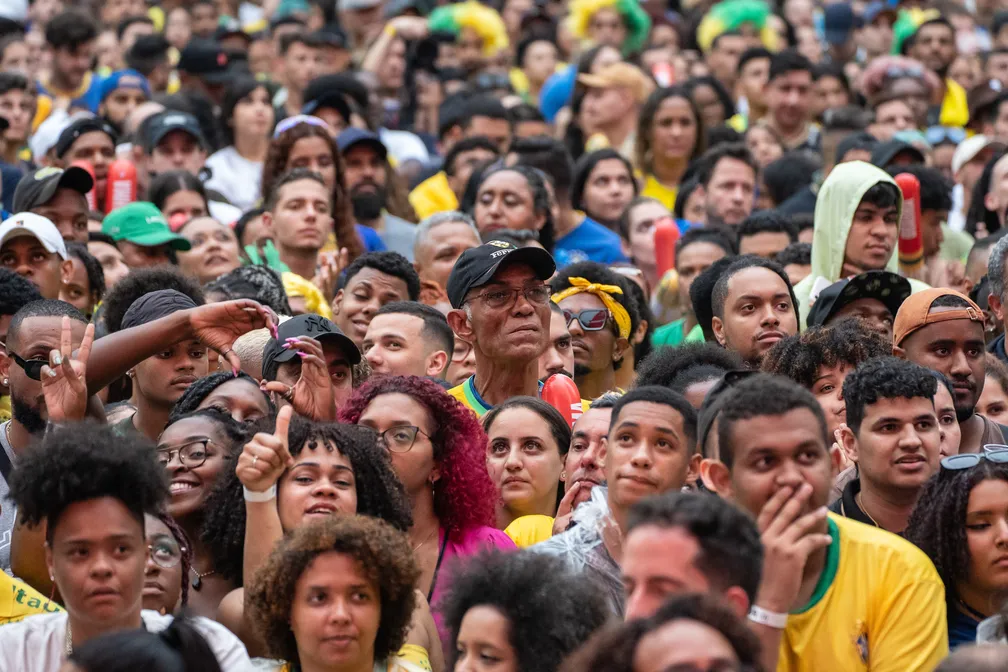
Genetic Superpower: Science Reveals Brazil as World's Most Genetically Diverse Nation
Genetic Superpower: Science Reveals Brazil as World’s Most Genetically Diverse Nation.
RT
Ask Rio Times
17 years of Latin America reporting, on demand.
Open the full Ask Rio Times →

The genetic analysis reveals compelling historical patterns about Brazil‘s colonial past. The majority of Y chromosome lineages (71%) come from European ancestry, while most mitochondrial lineages trace back to African (42%) or indigenous (35%) origins.

The LatAm Brief

One email, every weekday morning. What moved in Latin American markets, politics and expat life.

Yesterday’s subject line: “Brazil runoff set: Flávio 47%, Lula 45%, 25 October”

Free. We send a confirmation link first — nothing arrives until you click it. Unsubscribe with one click in any edition. If you stop opening us for 30 days we stop sending by ourselves, as we assume the interest is no longer there. See our privacy policy. We never share your email.

This pattern reflects the historical reality of European men having children with indigenous and African women, often through coercive relationships. Among the participants studied, virtually all showed a mixture of indigenous, European, and African ancestry.

Mapping Brazil’s Genetic Diversity for Precision Medicine

The average Brazilian genetic composition stands at approximately 59-60% European, 27% African, and 13% indigenous, though these proportions vary significantly by region.

The research forms part of the ambitious Genomas Brasil program, which aims to sequence 100,000 Brazilian genomes. The Brazilian Ministry of Health launched this initiative five years ago with an initial investment of R$8 million.

These findings carry significant implications for healthcare. The newly identified genetic variants, particularly common in those with African or indigenous ancestry, could influence susceptibility to conditions like hypertension, cancer, and infectious diseases.

This knowledge will enable more precise medical treatments tailored to Brazil’s diverse population. The study represents a major step toward implementing precision medicine in Brazil’s public health system.

Doctors will eventually use this genetic information to select more effective treatments and identify disease risks earlier, especially for historically understudied populations.

This article was produced by The Rio Times’ automated newsroom system. How we use AI · Report an error · Editorial responsibility: Matthias Camenzind, Editor-in-Chief

Read More from The Rio Times

The Rio Times · Power Map
See who really holds power in Latin America
Click to open the Power Map →

Rotate for Best Experience

This report is optimized for landscape viewing. Rotate your phone for the full experience.