Forget Florida: US retirees are drawn to the rainforest of Ecuador
Traditionally, when American retirees and vacation home buyers search outside the United States, they gravitate to the Caribbean, Baja, or Costa Rica to take advantage of a peaceful environment and better value for money.
Now there’s a new hotspot for people looking to escape the US housing market and willing to look a little further south.
Ecuador has a high proportion of natural wonders that entice visitors to stay for a longer period of time.

The South American country with around 18 million inhabitants is home to both the Galapagos Conservation Area and the Chocó Rainforest and offers a great biodiversity and unique travel offers in the country.
Ecuador’s larger cities like Quito and Guayaquil have international airports, universities, first class hotels and restaurants.
After a financial crisis in 2000, Ecuador’s sucre collapsed. The country soon adopted the US dollar as its national currency, ensuring that American expats traveling there never face currency exchange, even if their money stretches further than they do back home.
The hottest real estate market for US immigrants in Ecuador right now is Cuenca.

The city of about 661,000 people in the southern Andean highlands is a Unesco World Heritage Site and offers affordable luxury and history in the same purchase with its houses and condos in the city center and the surrounding green countryside.
Dominic Hamilton, Director of Communications for Ecuador’s Metropolitan Touring, is a long-time London resident and keeps up to date with the country’s developing regions through his work.
He cited the introduction of the US dollar to stabilize the economy and the country’s unique biodiversity as key factors attracting expats.
“The cost of living in Ecuador is very low compared to the US, making it attractive for anyone looking to retire comfortably,” Hamilton said.
“You can live a life of luxury for about US$1,500 a month.”
Hamilton identified Cuenca as one of the fastest growing areas because it offers a good balance of reasonable size and population, effective urban facilities, and a “climate of perpetual spring with no extreme weather conditions.
“The city has good infrastructure by Latin American standards, with good water supply, electricity, internet and a new tram system that has improved urban transport,” he added.
“The city is accessible, has several rivers and its outskirts amidst the hilly Andes have also become popular spots for retirees.”
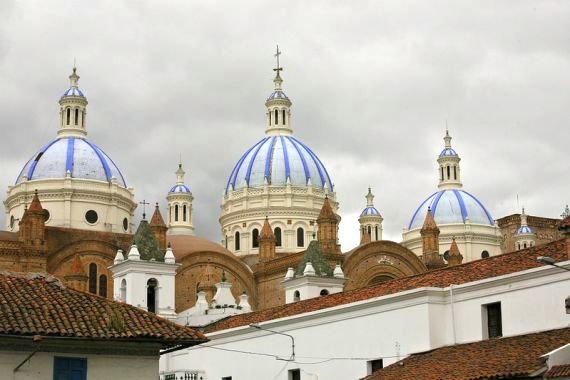
For example, homes for sale in and around Cuenca include a 4,700-square-foot, two-bedroom condo near downtown for US$397,000 and a 2,823-square-foot, three-bedroom unit outside of downtown for US$285,000.
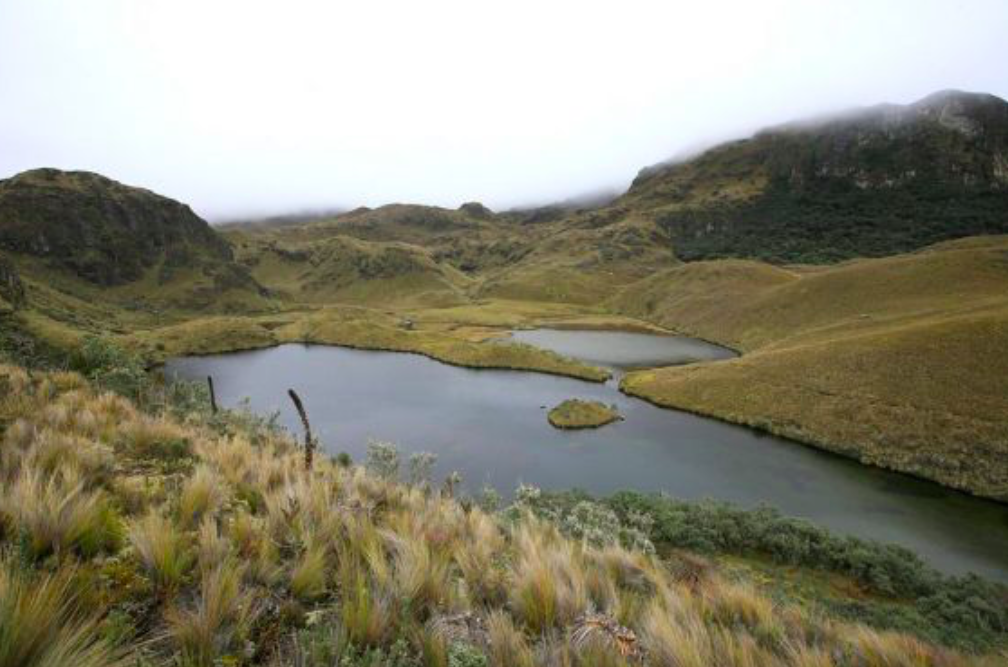
Also available are a three bedroom, 3,550 square foot ranch style home for US$215,000 in the lush hills surrounding Cuenca and a three bedroom home near Cajas National Park for US$350,000.
“Living in a vacation home in Ecuador or moving here opens up a whole new world of exploration,” adds Hamilton.
“There are nature experiences that you can only have in Ecuador.” Edward Lindquist, who hails from Fresno, California, has been the editor of Cuenca Expats Magazine for the past seven years.
Ecuador’s proximity to North America, the friendliness of the people, and the beautiful scenery are the top reasons Americans buy in the country — apart from the economic value, he said.
“Real estate prices are low compared to almost every other country in North America,” says Lindquist. “The operating costs, such as taxes and insurance, are very reasonable.”
Lindquist pointed out that the owner financing and mortgage models for buying a home in the US are not typically available in Ecuador.
Cash remains the most practical way to purchase real estate, reducing the overall number of transactions involved in buying a home.
“The rising real estate prices and high inflation that prevail in the USA have not arrived in our country,” emphasized Lindquist.
“You can buy a beachfront condo here for less than US$100,000. Legal residency is not required to purchase a property and since Ecuador’s official currency is the US dollar, unexpected exchange rate fluctuations are not a concern.”
Lindquist explained that there are an estimated 20,000 English-speaking expats living in Ecuador, half of them in Cuenca.
His magazine’s research found that 25% of the population has purchased a condo or home, with many of those homes being used seasonally for North American “snowbirds.”
Expatriate Edd and Cynthia Staton, Ecuador-based writers and founders of website Retirement Reimagined! say Cuenca attracts American immigrants for its understated sophistication.
“Cuenca offers a surprising level of culture and sophistication,” says Staton.
“There are three major hospitals and universities, restaurants, art galleries, shopping malls, cinemas and an excellent symphony orchestra with free performances. Because of all these amenities, the number of expats in Cuenca has grown from around 500 when we arrived in 2010 to over 5,000 today.”
As the city becomes better known, more expats will live and invest there, says Staton.
“However, with an average age of just 27.9 years in Ecuador, locals will contribute far more to Cuenca’s growth.”
Expats contribute around US$360 million to Cuenca’s local economy every year. That’s a disproportionate amount for such a small portion of the population (less than 2%), but still too small to affect house prices, Lindquist said.
“Moving abroad and becoming an expat is still a big step for many in the US,” he said.
“It would take an incredible diaspora to change the dynamic here. I expect that in the future more expats will come to Ecuador without changing the social order in any way.”
Nevertheless, according to Hamilton, there will be more US emigrants and with them changes. “I think the word-of-mouth of so many happy retirees and homebuyers will undoubtedly attract more people from the US,” he says.
“Combined with the demographics of aging boomers and soon Gen Xers looking to retire comfortably, I think we will see the development of more exclusive projects on the outskirts of Cuenca – with more golf courses and medical facilities to go around to take care of the pensioners”.
The influx has certainly helped the construction industry, but not everyone is positive about the influx of retirees.
Hamilton says he expects there will inevitably be some reservations or resentment on the part of the local population towards this influx of wealthy foreigners, who often do not speak Spanish and are not so keen on integrating into local society.
“On the other hand, foreign homebuyers are undoubtedly bringing dollars into the economy, with the added financial impact of their friends and families visiting and touring Ecuador.”
With information from latinapress
This article was produced by The Rio Times’ automated newsroom system. How we use AI · Report an error · Editorial responsibility: Matthias Camenzind, Editor-in-Chief
Read More from The Rio Times