Federal Layoffs and Lower Trade Deficit Reshape U.S. Economy
Tariffs and government reforms have sharply changed the direction of the U.S. economy. In April, the trade deficit fell to $61.6 billion from $138.3 billion in March, beating the $67.6 billion forecast.
Exports rose by 3.9% to $289.4 billion, while imports dropped by 16.2% to $351 billion.
These shifts followed the imposition of tariffs designed to protect American industries and reduce reliance on foreign goods.
Federal layoffs, mainly from the Department of Government Efficiency, cut government spending and increased jobless claims.
Employers eliminated 93,816 jobs in May, up 47% from 2024, with the tech, retail, and services sectors most affected.
Initial jobless claims reached 247,000, above the 236,000 expected, and the four-week average hit 235,000. However, continuing claims fell to 1.904 million, lower than the 1.910 million forecast.
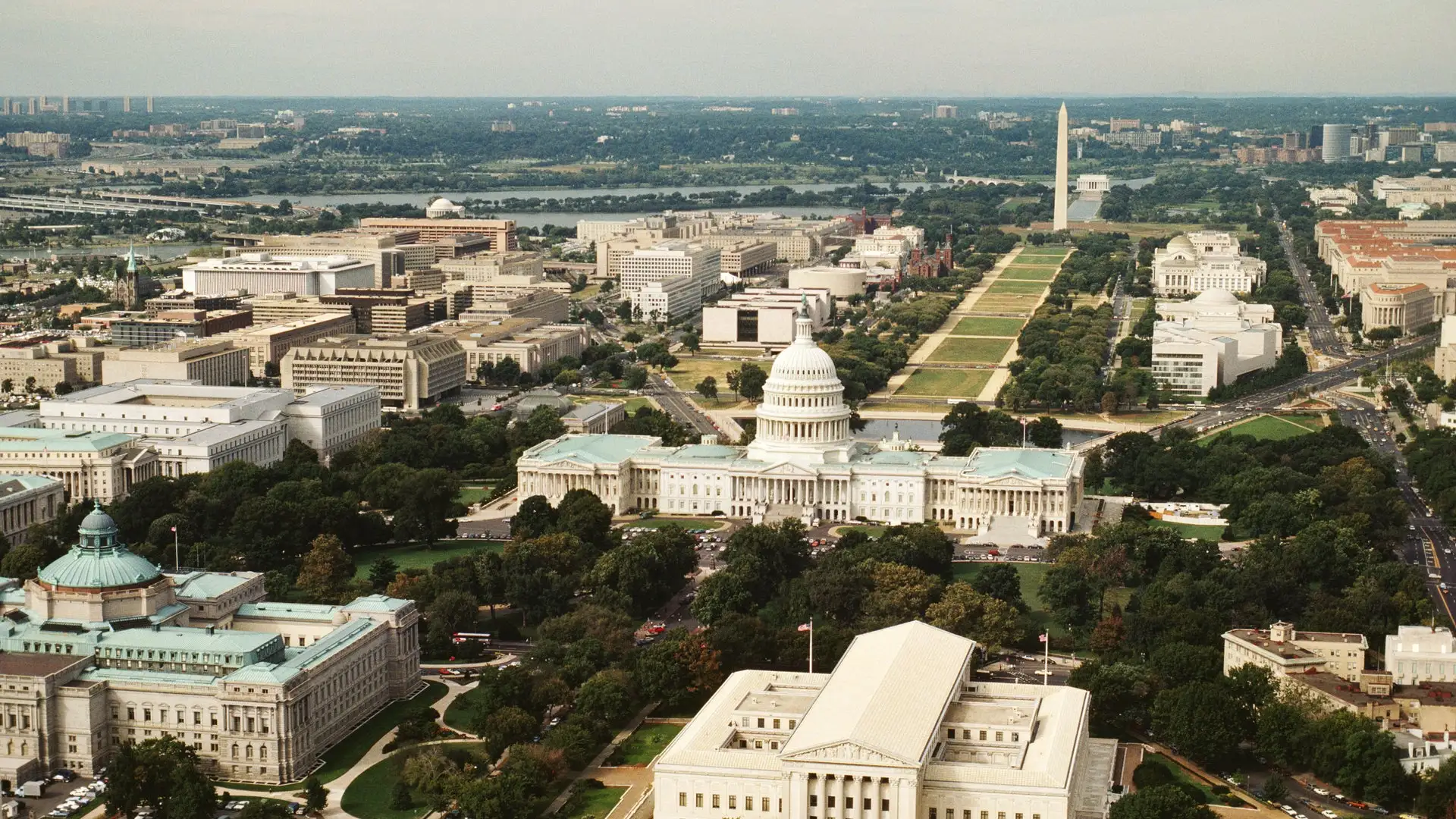
The Department of Government Efficiency DOGE led the reduction, removing 80% of March’s 275,240 layoffs to trim federal budgets.
This move reduced deficit spending and redirected funds to private-sector growth, giving businesses more flexibility to invest in industries supported by tariffs.
Federal Layoffs and Lower Trade Deficit Reshape U.S. Economy
Productivity fell 1.5% in the first quarter, missing the 0.8% decline forecast, as firms adjusted to new policies.
Labor costs rose 6.6%, exceeding the 5.7% estimate, reflecting wage pressures during this economic transition.
Tariffs protected domestic industries and encouraged local production. Agricultural exports, especially soybeans, increased in April, helping farmers.
Steel manufacturers expanded operations and hired more workers as imports, particularly from China, declined.
Tech firms reduced their workforce by 6,000 jobs as federal contracts shrank, and retailers faced challenges from cautious consumer spending.
These changes created short-term difficulties but set the stage for future growth. The sharp drop in the trade deficit showed tariffs’ impact, strengthening U.S. markets.
Federal layoffs raised jobless claims but addressed unsustainable spending, easing taxpayer burdens.
Businesses responded by focusing on local hiring, especially in manufacturing, where early signs of job creation appeared.
Workers faced a changing landscape, but new opportunities emerged in sectors protected by tariffs. Retailers, hit hard in May, expected recovery as consumer confidence stabilized.
Streamlined government operations ensured resources supported economic expansion rather than bureaucracy.
The surge in exports and drop in imports highlighted America’s move toward greater self-reliance, a key step for long-term stability.
This economic shift balanced challenges with progress. Job cuts and lower productivity reflected necessary adjustments, while trade gains and better fiscal control pointed to resilience.
As tariffs encouraged domestic growth and layoffs cut deficits, businesses and workers adapted, positioning the U.S. for a stronger, more independent future.
This article was produced by The Rio Times’ automated newsroom system. How we use AI · Report an error · Editorial responsibility: Matthias Camenzind, Editor-in-Chief