Trump, the Federal Reserve, and the Battle Over Interest Rates: What’s Happening and Why It Matters
(Analysis) On Friday, June 6, U.S. President Donald Trump announced that a decision on the next chair of the Federal Reserve will be made soon, emphasizing that a strong Fed leader would lower interest rates.
Since returning to the White House, President Donald Trump has reignited a public and political campaign to pressure the U.S. Federal Reserve (Fed)—the country’s central bank—into cutting interest rates sharply.
Trump’s main argument is that lower rates would boost economic growth and help the U.S. compete with other major economies, particularly Europe and China, which have been cutting their own rates.
He has been especially critical of the Fed’s chair, Jerome Powell, whom Trump himself appointed in his first term, calling him “too slow” and even demanding his dismissal for not acting quickly enough.
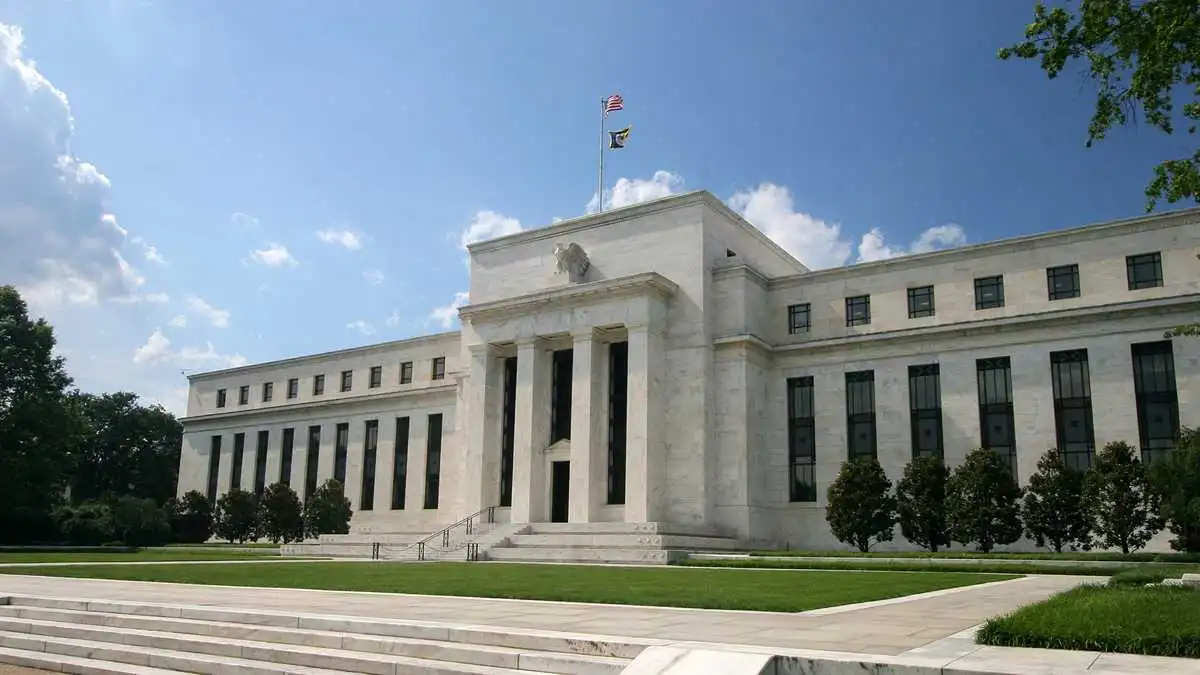
What’s the Federal Reserve Doing?
Despite Trump’s demands, the Fed has held its benchmark interest rate steady at a range between 4.25% and 4.5% throughout 2025.
This decision comes after a period in late 2024 when the Fed made several smaller cuts but then paused, citing the need for more clarity on inflation and the impact of Trump’s new trade and tariff policies.
The Fed’s leadership, especially Chair Jerome Powell, has made it clear that their decisions are based on economic data—not political pressure.
They are watching for signs of either a slowdown in growth or a resurgence in inflation before making further moves.
Key Facts and Figures
- The Fed’s current interest rate is 4.25%–4.5%, unchanged since December 2024.
- Trump has called for a dramatic cut of a full percentage point, which would be an unusually large move for the Fed. The last time such a big cut happened was during the COVID-19 crisis in March 2020.
- Inflation in the U.S. is around 2.3%–2.6%, slightly above the Fed’s 2% target, while unemployment is near historic lows at about 4.2%.
- The European Central Bank has cut rates eight times since June 2024, while the Fed has made only three cuts in the same period.
- Markets do not expect the Fed to cut rates again until at least July 2025, with only a small chance of a cut before then.
Why Is This a Big Deal?
The fight between Trump and the Fed is about more than just numbers—it’s about who controls economic policy in the U.S.
The Fed is designed to be independent from the White House so it can make tough decisions that are best for the long-term health of the economy, even if they are unpopular with politicians.
If the Fed cuts rates too quickly, it risks causing inflation to spiral out of control, which would hurt everyone by making goods and services more expensive.
On the other hand, if rates stay too high, it could slow down the economy and increase unemployment.
Trump’s push for lower rates is driven by a desire to stimulate growth and keep the U.S. competitive, but the Fed is worried that his tariffs and trade policies might actually push prices up, making inflation worse.
This creates a tricky situation: the Fed has to balance the risk of slowing the economy with the risk of letting inflation get out of hand.
Trump vs. Powell: Power Struggle at the Heart of U.S. Economic Policy
What Are the Risks and Consequences?
- If the Fed gives in to political pressure and cuts rates too much, it could trigger higher inflation, which erodes the value of money and hurts consumers.
- If the Fed keeps rates too high, economic growth could stall, leading to higher unemployment and lower investment.
- Trump’s public attacks on the Fed could undermine confidence in the central bank’s independence, which is crucial for stable financial markets.
- The ongoing uncertainty about trade policy and tariffs is making it harder for the Fed to predict what will happen next, increasing volatility in markets and making businesses more cautious about investing.
Why Should You Care?
Interest rates set by the Fed affect almost every aspect of the economy: the cost of borrowing for businesses and consumers, mortgage rates, credit card interest, and even the value of the dollar.
When politicians try to influence the Fed, it can lead to short-term gains but long-term problems, like runaway inflation or financial crises.
Understanding this tug-of-war helps you see why economic decisions aren’t just about numbers—they’re about balancing risks and making sure the economy stays healthy for everyone.
In Simple Terms
- Trump wants the Fed to cut interest rates fast to boost the economy.
- The Fed is holding off because it’s worried about inflation and the effects of Trump’s trade policies.
- This standoff matters because it affects jobs, prices, and the overall health of the U.S. and global economy.
Trump, the Federal Reserve, and the Battle Over Interest Rates: What’s Happening and Why It Matters
This article was produced by The Rio Times’ automated newsroom system. How we use AI · Report an error
Read More from The Rio Times