El Salvador Seeks Prisoner Swap with Venezuela in High-Stakes Migrant Deal
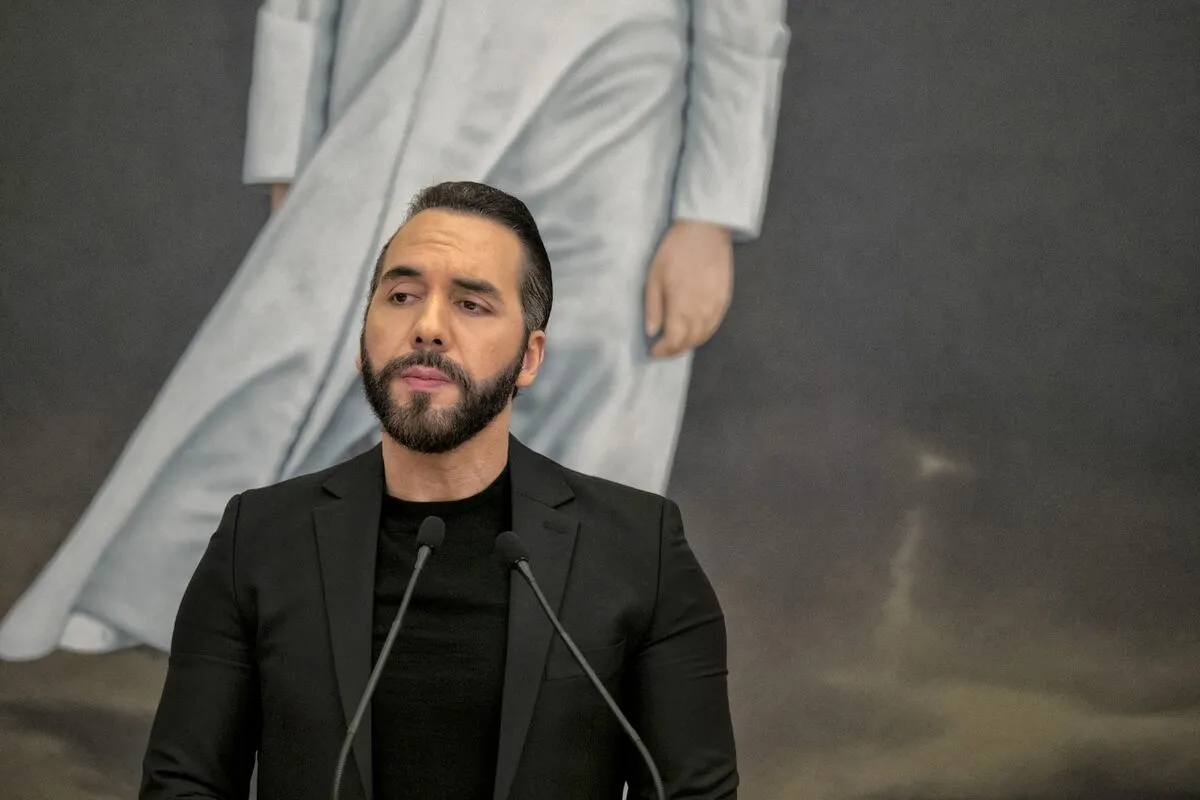
On April 20, 2025, El Salvador’s President Nayib Bukele offered a direct proposal to Venezuela’s President Nicolás Maduro.
He suggested exchanging 252 Venezuelans deported from the United States and held in El Salvador for an equal number of political prisoners detained in Venezuela.
Bukele made the offer public on X, responding to Venezuela’s repeated calls for the return of its citizens. The United States deported at least 252 Venezuelans to El Salvador in recent months, claiming they had ties to the Tren de Aragua criminal group.
El Salvador now holds these individuals in its high-security CECOT prison. The U.S. government pays El Salvador $6 million to detain these migrants, reflecting a transactional approach that turns migrant detention into a revenue stream for the Salvadoran government.
Bukele insists that the Venezuelans held in El Salvador face charges for severe crimes, including murder and sexual assault, with some having prior arrests in the U.S. He contrasts this with Venezuela’s political prisoners, whom he describes as jailed for their opposition to Maduro’s government.
Among those Bukele wants freed are relatives of opposition leaders, journalists, and activists, such as Roland Carreño, Rocío San Miguel, and Corina Parisca de Machado.
Bukele also included nearly 50 detainees from other countries, including U.S., German, French, and Argentine citizens, in his proposal.
Venezuela Rejects Bukele’s Prisoner Exchange Proposal
Venezuela’s government quickly dismissed the offer. Attorney General Tarek William Saab called Bukele’s move cynical and demanded proof of life and medical reports for each Venezuelan detainee.
The Maduro administration denies holding political prisoners, though human rights organizations report nearly 900 such cases and at least 68 foreign nationals imprisoned in Venezuela.
This exchange proposal exposes the practical, business-like nature of recent migration and detention policies. El Salvador profits by housing deportees for the U.S., while Venezuela faces international pressure over its detention of political opponents.
Both governments use detainees as leverage in negotiations, highlighting how human lives become bargaining chips in broader political and economic strategies. The story underscores a shift in regional migration management, where countries monetize detention and use prisoners for diplomatic advantage.
The outcome of Bukele’s proposal remains uncertain, but the move signals a new era of transactional diplomacy in the Americas, driven by security concerns and financial incentives.
More: Latin America news in English, every day from The Rio Times.
This article was produced by The Rio Times’ automated newsroom system. How we use AI · Report an error · Editorial responsibility: Matthias Camenzind, Editor-in-Chief
In depth