El Salvador Removes Presidential Limits as Parliament Backs Bukele’s Long Rule
El Salvador’s parliament passed a historic set of reforms on July 31, 2025. The new rules remove presidential term limits, extend each presidential term from five to six years, and synchronize all national elections to 2027.
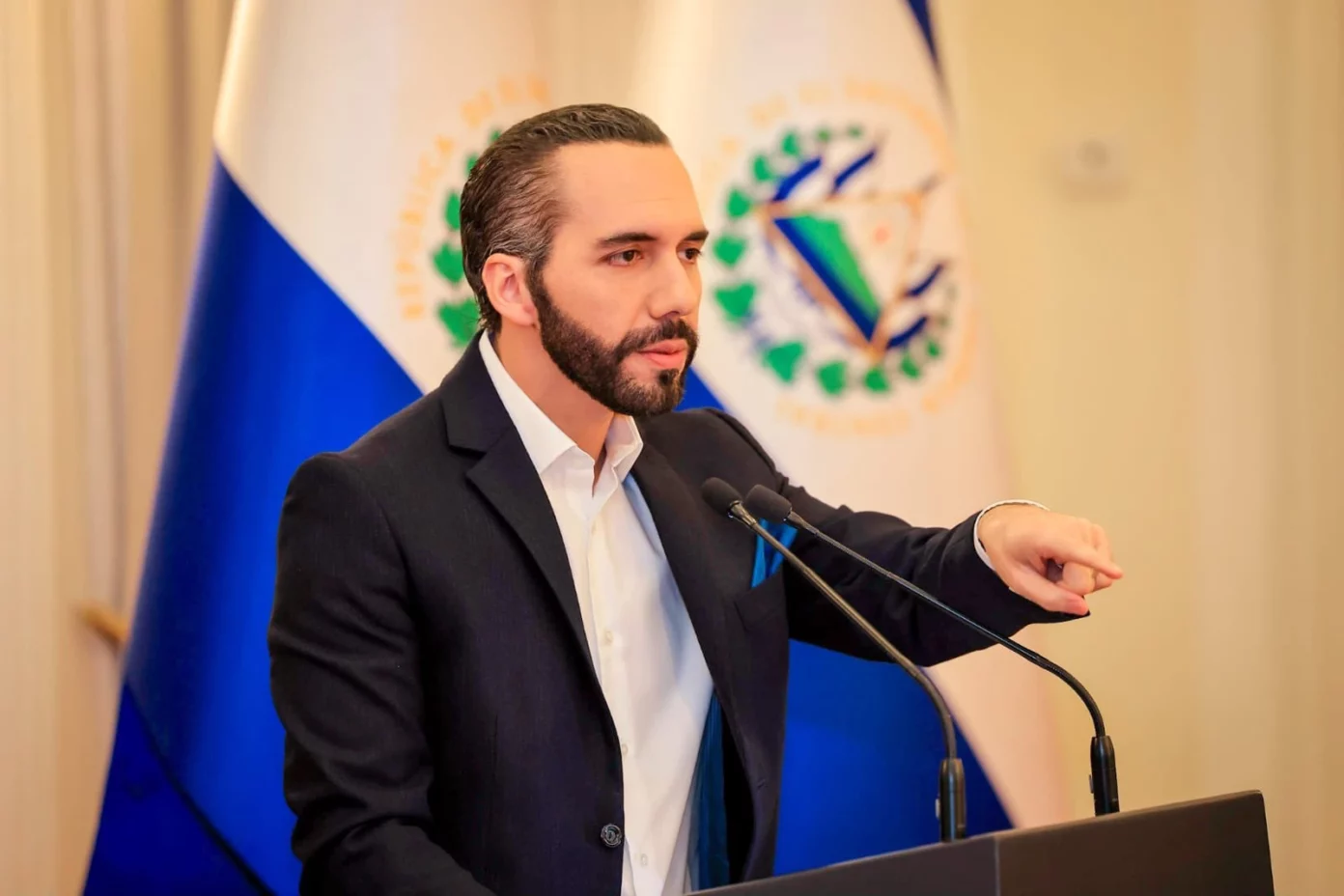
President Nayib Bukele’s party, which holds 57 of 60 parliamentary seats, pushed these changes through quickly and with little debate. Supporters of President Bukele say these reforms give citizens the power to choose their leader as often as they wish.
Bukele remains very popular, having scaled back violence and gang activity with strict security measures. Many Salvadorans appreciate the results and view presidential continuity as a path to stability.
The new law also means a candidate can win without a majority, only needing the most votes. For businesses and investors, these changes may seem to offer a steady political climate.
However, they remove longstanding limits designed to prevent any one person or party from gaining total power. In the past, El Salvador’s constitution blocked presidents from serving more than two consecutive terms.
This aimed to ensure fair competition and protect against one-party rule, which has caused trouble elsewhere in Latin America. The way these changes were made also matters.
Lawmakers moved quickly, bypassing open debate and keeping opposition out of the decision. Critics worry this shift weakens democracy and reduces transparency.
While public support for Bukele remains high, some groups see risks of falling press freedom and shrinking options for political challengers.
More: Latin America news in English, every day from The Rio Times.
This article was produced by The Rio Times’ automated newsroom system. How we use AI · Report an error · Editorial responsibility: Matthias Camenzind, Editor-in-Chief