El Salvador Fuel Prices Rise Again as the Country Courts Digital-Asset Issuers
EL SALVADOR · ECONOMY
Key Facts
What happened: El Salvador fuel prices rose by up to US$0.17 per gallon for 4–17 August 2026.
How high: Superior gasoline passed US$4 per gallon in March, a level not seen in the country for about three years.
The import bill: Oil and derivatives imports cost the country more than US$2.3 billion in 2025, and volumes are now shrinking.
The other bet: San Salvador is marketing itself as Latin America’s reference for regulated digital-asset issuance.
The catch: Salvadoran token offerings remain off-limits to United States investors because of American securities rules.
What comes next: The digital-assets regulator is nearing 100 approved tokens and wants neighbouring countries to copy its law.
El Salvador fuel prices rose again in August, the latest in a year of increases driven by Middle East tensions. At the same time, the government is pushing a very different story abroad: the country as Latin America’s reference for regulated digital-asset issuance.
What the August increase means at the pump
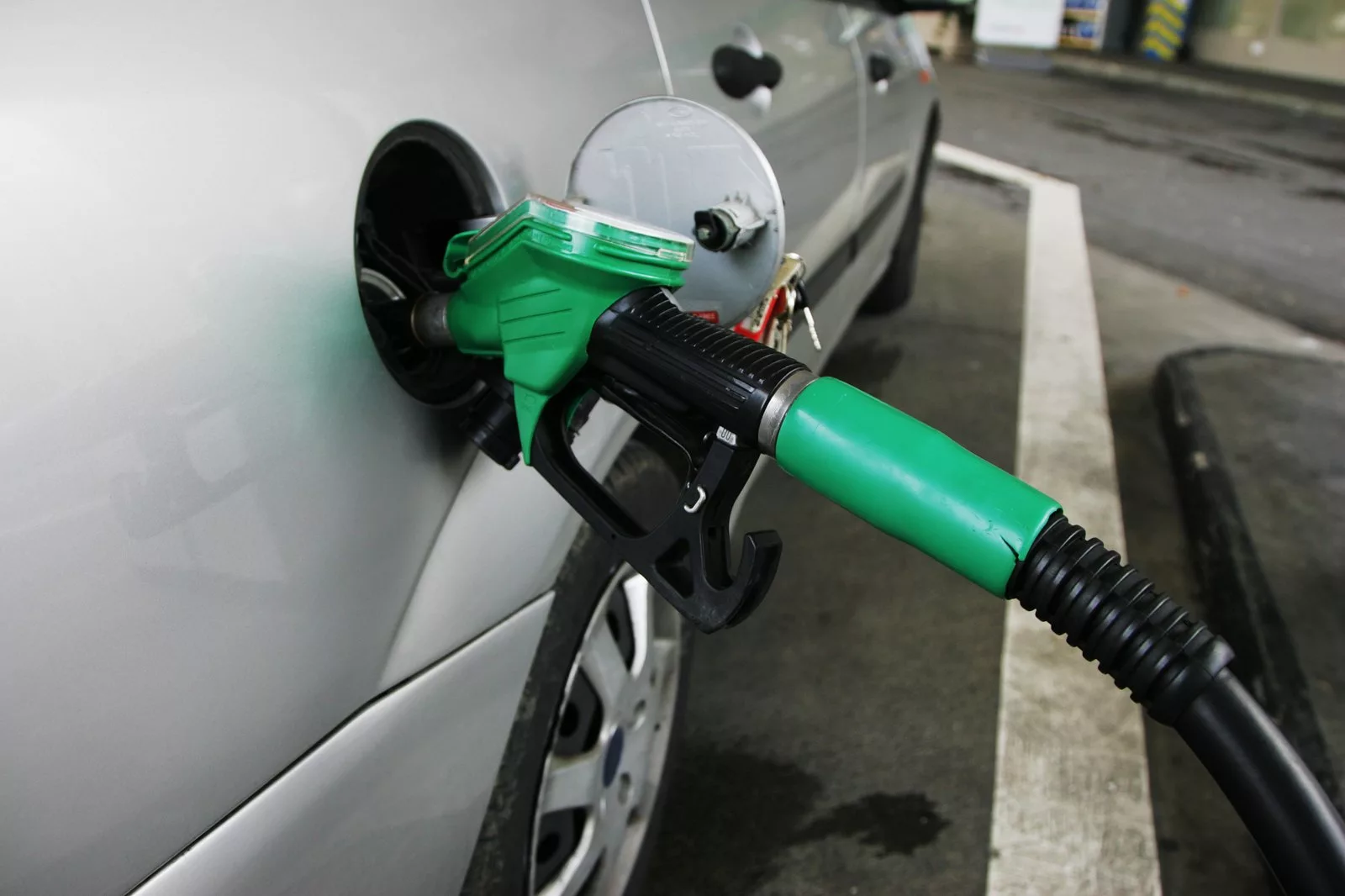
Reference fuel prices in El Salvador rose between US$0.15 and US$0.17 per gallon for the fortnight of 4–17 August, the Salvadoran daily El Diario de Hoy reported at the start of the month. The increase applied to both grades of gasoline and to diesel.
Reference prices are set every two weeks by the General Directorate of Energy, Hydrocarbons and Mines, known by its Spanish initials DGEHM. The agency publishes separate prices for the country’s central, western and eastern zones.
Because El Salvador adopted the US dollar as its currency in 2001, the price on the sign is the price you pay. There is no exchange-rate cushion and no local-currency noise, which makes each adjustment easy to read and hard to hide.
The August rise continues a pattern that has defined 2026. In March, El Salvador fuel prices jumped between US$0.25 and US$0.26 per gallon in a single adjustment, pushing superior gasoline past US$4 per gallon for the first time in about three years.
In the central zone, which includes San Salvador, superior gasoline reached US$4.08 per gallon at that point. Regular gasoline stood at US$3.84 and diesel at US$3.77.
Why fuel costs more even as imports shrink
El Salvador produces no oil of its own, so every litre of gasoline and diesel arrives by tanker. That makes the national fuel bill a direct function of international crude prices.
Those prices surged in early 2026 as tensions involving the United States, Israel and Iran raised fears over the Strait of Hormuz. The West Texas Intermediate benchmark, the reference for El Salvador fuel prices, climbed from US$67.25 a barrel on 27 February to US$108.2 on 8 March.
The Central Reserve Bank, the BCR, puts oil and derivatives imports at more than US$2,338 million for 2025. Fuel is one of the heaviest single lines in the country’s import bill.
More recent trade data show the squeeze from the other side. Total imports in January 2026 came to US$554.8 million, down 4.9 percent in value and 13.8 percent in volume from a year earlier, according to BCR figures.
For expats and investors, the practical point is simple. Dear fuel feeds straight into bus fares, delivery costs and food prices in a country where most goods move by road.
The other story: a regional reference for digital assets
While households watch El Salvador fuel prices climb at the pump, the government is selling a different image abroad. El Salvador wants to be the place where Latin America comes to issue digital assets under a proper rulebook.
The framework is the Digital Assets Issuance Law of February 2023, known as LEAD. It created the National Commission for Digital Assets, or CNAD, which licenses service providers and authorises public token offerings.
The CNAD’s public registry shows at least 29 approved emissions since January 2024, according to El Diario de Hoy. Four were authorised in 2024, 21 in 2025 and another four so far in 2026.
Most issues are tied to property and business projects. One example is the Jaguey 128 beach development in La Unión department, which seeks to raise more than US$4.5 million through 4,550 tokens with a nominal value of US$1,000 each.
March 2026 brought a milestone of a different kind. Banco Industrial El Salvador won authorisation for the country’s first tokenised bank debt programme, a US$50 million facility called TKNBIES1 that will trade on DAX, the digital-asset exchange of the Salvadoran stock exchange group.
Scale is the regulator’s favourite statistic. CNAD president Juan Carlos Reyes says the commission has supervised more than US$300 billion in digital-asset operations, with the stablecoin issuer Tether alone moving over US$185 billion under Salvadoran supervision.
Taking the model on the road
The CNAD says it is close to approving its one-hundredth token. It is preparing an economic report to hand to regulators across Latin America as evidence that the model works.
Reyes predicts that several countries in the region will legislate on tokenisation before the end of 2026. Tokenisation means turning a traditional asset, such as a building or a bond, into a digital token recorded on a blockchain.
The pitch is already travelling. The Digital Assets Summit 2026, held in San Salvador in April, drew delegations from about 20 countries, including Paraguay, Kazakhstan, Uruguay, Argentina, Colombia, Canada and Nigeria.
Argentina’s securities regulator sent its technical teams to a CNAD workshop in May. The Salvadoran commission now describes itself openly as a regional referent, a reference point others should copy.
The catch foreign investors should know
Salvadoran token products are open to investors across Latin America, with one large exception. United States citizens are excluded because of restrictions from the US Securities and Exchange Commission.
The CNAD proposed a cross-border regulatory sandbox to the SEC’s Crypto Task Force in April 2025. As of May 2026 the sandbox had not been officially confirmed as launched.
There is also a nuance behind the headlines. Bitcoin stopped being legal tender in El Salvador in January 2025, but the regulatory framework for digital assets remains fully in place.
The two halves of this story belong together. A government letting El Salvador fuel prices climb is simultaneously asking the world to see the country as a laboratory for the future of finance.
What to watch from here
The next DGEHM bulletin, covering the first fortnight of September, will show whether El Salvador fuel prices keep climbing as the northern autumn approaches. Each adjustment now lands in an economy the IMF-backed EMFI monitor expects to grow 3.9 percent this year.
On the digital side, watch for the CNAD’s one-hundredth token and its promised economic report. The first real test will be whether any neighbouring country actually passes a tokenisation law before December.
More: Latin America news in English, every day from The Rio Times.
Frequently Asked Questions
How much did El Salvador fuel prices rise in August 2026?
Reference prices rose between US$0.15 and US$0.17 per gallon for the fortnight of 4 to 17 August 2026, according to El Diario de Hoy. The adjustment covered both grades of gasoline and diesel.
Why are fuel prices rising in El Salvador?
The country imports all of its fuel, so international oil prices pass straight into pump prices. Middle East tensions pushed the benchmark crude price sharply higher in early 2026.
What is El Salvador’s digital-asset framework?
The Digital Assets Issuance Law of 2023 created a licensing and public-offering regime supervised by the National Commission for Digital Assets. It covers tokens, stablecoins and tokenised real-world assets.
Can foreigners invest in Salvadoran token issues?
The products are open to investors across Latin America. United States citizens are excluded because of US securities regulations.
How large is El Salvador’s supervised digital-asset market?
The regulator says it has supervised more than US$300 billion in digital-asset operations. Most of that volume is linked to the stablecoin issuer Tether.
Connected Coverage
The growth outlook behind this story is in El Salvador Growth Forecast Raised to 3.9 Percent by EMFI as Exports Climb, and the trade and remittance backdrop in El Salvador Exports Rise as Remittances Lose Pace and the 44-Hour Week Goes Under Review.
Sources: El Diario de Hoy (elsalvador.com); Derecho y Negocios; Banco Central de Reserva de El Salvador (BCR) trade data via AgroLatam; Comisión Nacional de Activos Digitales (CNAD); El Economista; Revista Estrategia y Negocios; Digital Assets Hub; LexLatin; Hoy.com.sv.
This article was produced by The Rio Times’ automated newsroom system. How we use AI · Report an error · Editorial responsibility: Matthias Camenzind, Editor-in-Chief