El Salvador Exports Rise as Remittances Lose Pace and the 44-Hour Week Goes Under Review
EL SALVADOR · ECONOMY
Key Facts
—What happened: El Salvador’s exports reached US$4,036.7 million in January to July 2026, up 4.4 percent on the year.
—The other engine: Remittances totalled US$5,924 million in the same seven months, but their growth is slowing month by month.
—The slowdown: Yearly remittance growth has slid from 7.3 percent in March to 4.5 percent by June, official data show.
—The catch: Remittances still equal about a quarter of GDP, so a slower inflow touches nearly every household budget.
—Also on the table: A tripartite council of government, employers and unions has opened talks on modernising the 44-hour working week.
—What comes next: The council’s technical commission aims to deliver a proposal on working time by December 2026.
El Salvador exported US$4,036.7 million of goods in the first seven months of 2026, up 4.4 percent, while remittances grew more slowly with each month. Against that backdrop, the country has opened formal talks on modernising a working week written half a century ago.
Exports keep climbing
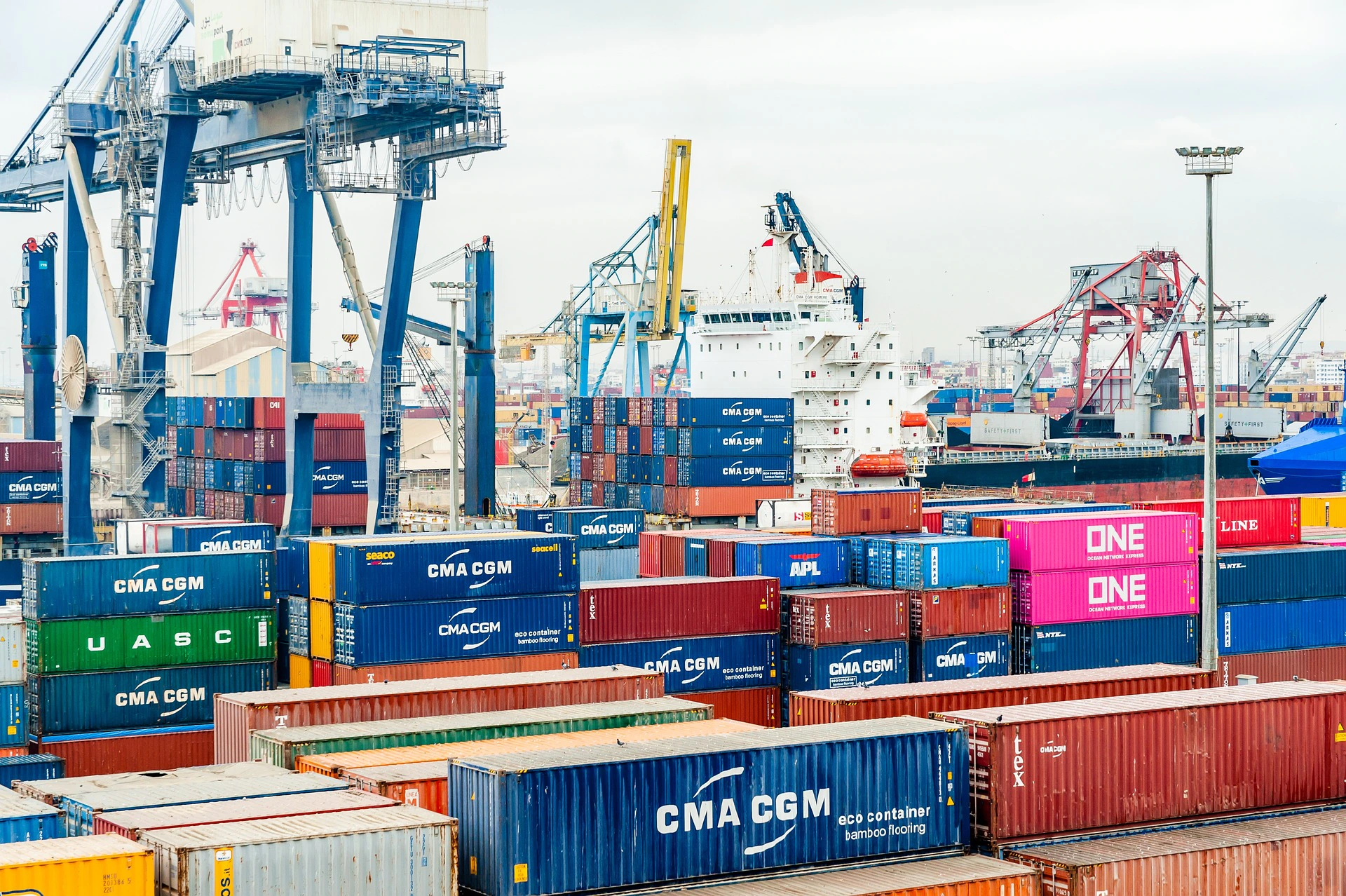
Goods exports reached US$4,036.7 million between January and July, up 4.4 percent on the same period of 2025. The figures come from the Central Reserve Bank, reported on 28 August by Estrategia y Negocios.
The first half of the year closed at US$3,400.6 million, up 4.1 percent. The exporters’ association COEXPORT called it the largest first semester on record.
Coffee has been the standout. Shipments of unprocessed gold coffee jumped 221 percent in January alone, and the 2025-2026 harvest cycle is running about 40 percent above the previous one.
Sugar and higher-value garments such as sweaters have also gained. The United States remains the top buyer, taking 36.9 percent of everything the country sold abroad in January.
For foreign readers, the context is a dollarised economy that lives on external income. The country has used the US dollar as its currency since 2001, so every export dollar is a dollar earned, not converted.
Remittances grow, but lose pace
The bigger money flow is migrants sending cash home. Remittances reached US$5,924 million through July, La Prensa Gráfica reported, with July alone bringing US$864.25 million.
The problem is the slope. Year-on-year growth was 7.3 percent in the first quarter, 6.8 percent by April, 5.9 percent by May and 4.5 percent by June.
Compare that with 2025, when remittances surged 17.7 percent to a record US$9,987.91 million. This year was always going to look slower against that base.
The flows equal about 24 percent of gross domestic product. Some 92 percent of the money originates in the United States, where more than two million of its nationals live.
Economists link the cooling to US migration policy, deportations and a 1 percent US tax on remittances applied since January. Fewer arrivals at the border today means fewer senders tomorrow.
The 44-hour week goes under review
On 27 August, the Consejo Superior del Trabajo opened a formal dialogue on modernising working time. The council, known as the CST, is a tripartite body of 24 members from government, employers and unions.
The current Labour Code sets a 44-hour week. That means eight hours from Monday to Friday plus four hours on Saturday, a structure designed for another economy.
Raúl Díaz, legal adviser to the Chamber of Commerce and Industry, put the case bluntly on local radio. Labour reality, he said, is no longer what it was 50 years ago, and rigid shifts force companies into three daily turnarounds.
He stressed two red lines. The total working week will not shrink, and workers’ rights and guarantees will not be reduced.
A technical commission will now hear companies and workers sector by sector. Díaz said it expects to have a proposal by December.
Nothing is drafted yet, he added, including the 4×4 schedule of 12-hour days that Costa Rica is debating. An earlier option aired in the council, four 11-hour days plus three rest days, has already drawn union rejection.
Why the timing matters
The three threads connect. Slower remittances mean domestic jobs and wages carry more weight, and export industries are where those jobs are.
Wages are modest by design. The monthly minimum since June 2025 is US$408.80 in commerce and services, US$402.26 in the maquila factories and US$272.72 in agriculture.
The government is forecasting growth of up to 4.5 percent for 2026, above official estimates. Delivering it with cooling remittances requires exactly the export momentum the July figures show.
What to watch from here
The first marker is the August remittance print. A fifth straight month of deceleration would confirm a trend rather than noise.
The second is the coffee and sugar cycle into the fourth quarter. Export records depend on harvests as much as on factories.
The third is the CST proposal in December. Whatever emerges will define the country’s labour debate for 2027.
More: Latin America news in English, every day from The Rio Times.
Frequently Asked Questions
How much did El Salvador export in 2026?
Goods exports reached US$4,036.7 million in January to July 2026, up 4.4 percent on the same period of 2025, according to Central Reserve Bank data.
Are remittances to El Salvador falling?
They are still growing, but more slowly. Year-on-year growth slid from 7.3 percent in the first quarter to 4.5 percent by June, and July brought US$864.25 million.
What is changing about the working week in El Salvador?
A tripartite council of government, employers and unions began talks on 27 August to modernise working time. The current Labour Code sets a 44-hour week of eight hours Monday to Friday plus four on Saturday.
Will El Salvador cut working hours or introduce 12-hour shifts?
No proposal exists yet. Business representative Raúl Díaz says the total week will not shrink, workers’ rights will not be cut, and a Costa Rica-style 4×4 schedule is not on the table.
Why do remittances matter so much to the country?
They equal about 24 percent of GDP and are the top source of foreign currency, above exports, investment and tourism. Over 90 percent of the money comes from the United States.
Connected Coverage
We covered the growth outlook in El Salvador Growth Forecast of 4.5 Percent Tops Official Estimates the energy trade in El Salvador Energy Exports Jump 70% to US$11.9 Million and the first round of the workday debate in El Salvador Workday Plan for 11-Hour Shifts Draws Union Rejection.
Sources: Estrategia y Negocios and El Industrial with Central Reserve Bank data, July and August 2026; La Prensa Gráfica, 27-28 August 2026; Dinero.com.sv, 28 August 2026; EFE.
This article was produced by The Rio Times’ automated newsroom system. How we use AI · Report an error · Editorial responsibility: Matthias Camenzind, Editor-in-Chief