Ecuador’s Non-Oil Exports Reach Record as Trade Surplus Expands
According to the Central Bank of Ecuador, the economy grew 3.9% in the first half of 2025, above initial forecasts. Year-over-year growth in June reached 2.8%, showing stronger recovery than expected.
This performance reflects record export figures and a significant trade surplus that underscore a shift in the country’s trade structure. Non-oil exports totaled USD 14.491 billion between January and June, a 21% increase compared to the same period in 2024.
This marks the highest figure on record and nearly USD 6.2 billion more than in the first half of 2021. Shrimp, cocoa, and bananas led the increase, with shrimp surpassing oil as Ecuador’s top export despite new U.S. tariffs.
Shrimp exports reached USD 4.254 billion in the semester, while cocoa shipments rose to USD 2.31 billion, helped by record international prices. Banana and plantain sales reached USD 2.23 billion.
Oil exports, once the mainstay of Ecuador’s trade, dropped to USD 3.99 billion, 11% lower than the previous year. Pipeline disruptions and refinery stoppages constrained output and weighed on crude shipments.
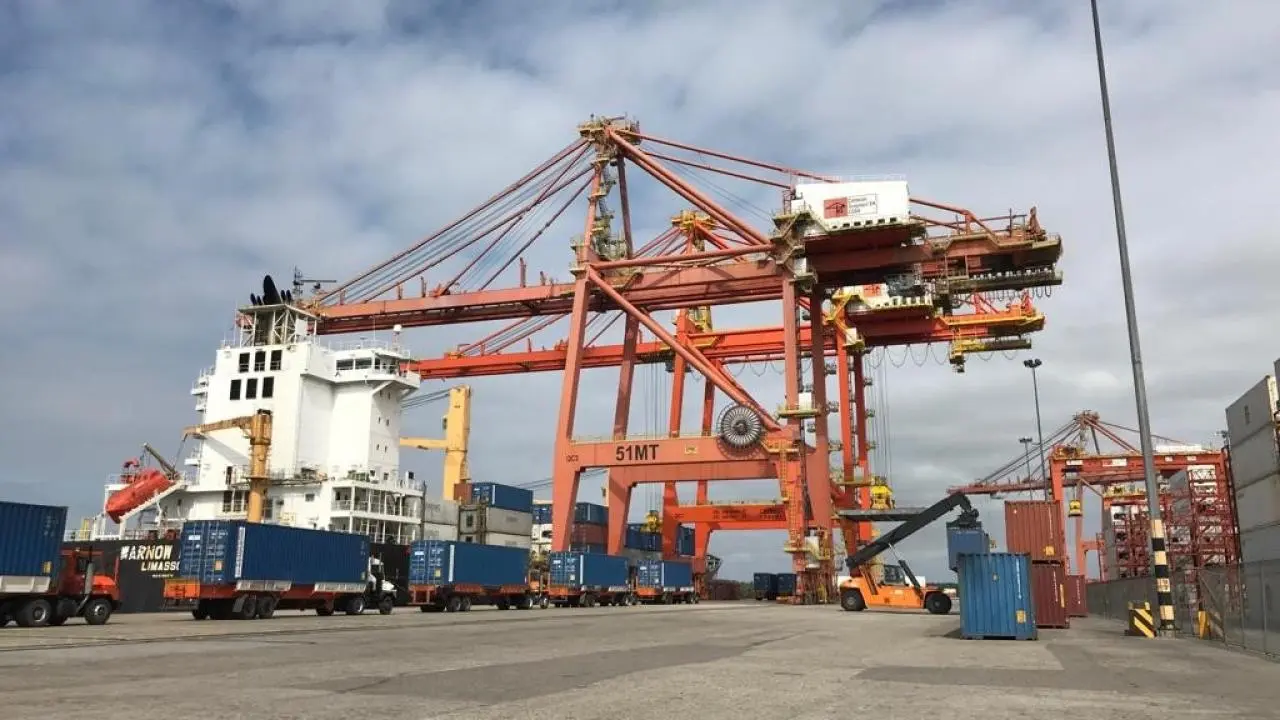
Even with this decline, total exports still grew 11% compared with 2024, reaching USD 18.813 billion in the first semester. Imports also expanded, rising 11% to around USD 11.38 billion.
Businesses bought more raw materials, machinery, and consumer goods, suggesting higher production and investment. This import growth reflects greater domestic activity but did not offset the record performance of exports.
As a result, the trade balance registered a surplus of USD 4.166 billion, the largest ever recorded in a first semester. These numbers matter because Ecuador depends on the U.S. dollar as its currency.
Stronger non-oil exports bring in more foreign exchange, create jobs, and reduce dependence on crude oil. A large surplus also strengthens the country’s ability to pay for imports and maintain financial stability.
At the same time, higher imports of industrial inputs point to more capacity for future production. The Central Bank acknowledged that fiscal challenges and structural reforms remain necessary to secure long-term growth.
However, the mid-year data confirms that Ecuador’s trade dynamics are changing. Shrimp, cocoa, and bananas are taking the lead over oil, and non-oil sectors are proving more resilient drivers of economic activity.
More: Ecuador news in English, every day from The Rio Times.
This article was produced by The Rio Times’ automated newsroom system. How we use AI · Report an error · Editorial responsibility: Matthias Camenzind, Editor-in-Chief