ECB Rate Cut Signals Deepening Trade Woes for Eurozone
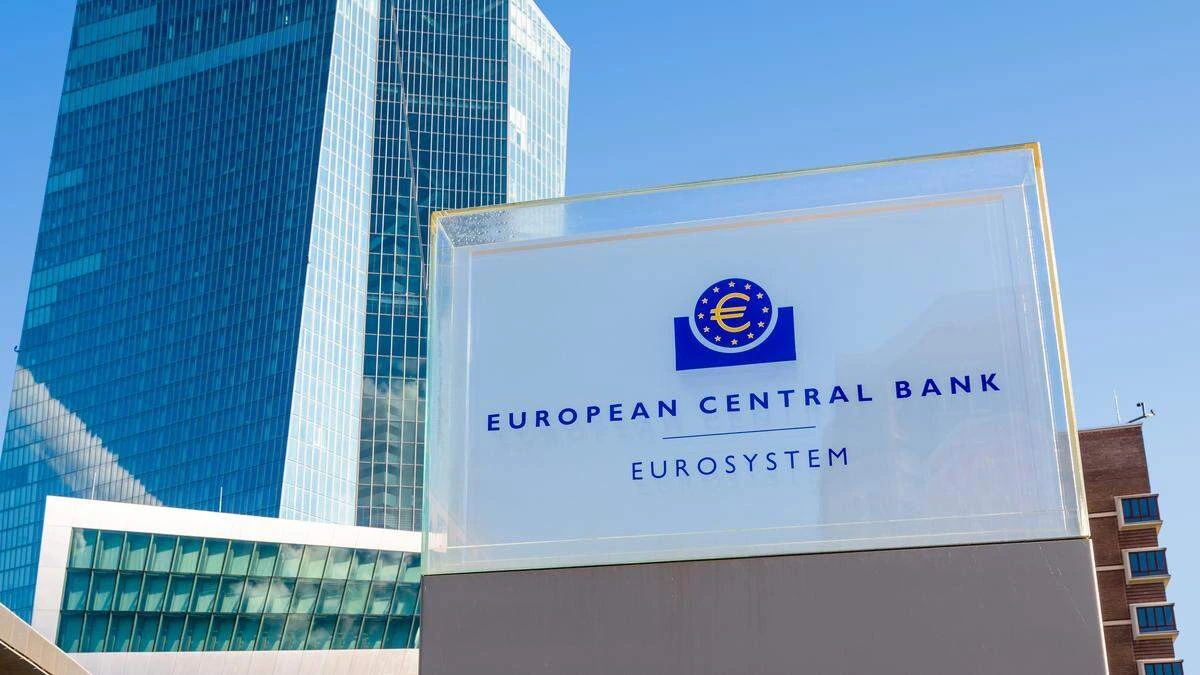
On April 17, 2025, the European Central Bank (ECB) cut its main deposit rate by 25 basis points to 2.25%, citing mounting trade tensions and a deteriorating growth outlook.
The move, widely anticipated by markets, marks the seventh rate reduction since mid-2023 and responds directly to the uncertainty unleashed by new U.S. tariffs and the resulting global trade disruptions.
ECB President Christine Lagarde stated that euro area exporters now face fresh barriers, while business investment and consumer confidence both show signs of strain.
The ECB’s latest statement underscores that “the outlook for growth has deteriorated owing to rising trade tensions,” and warns that increased uncertainty could tighten financing conditions for companies and households.
The ECB’s decision follows a period of rapid rate cuts as inflation pressures have eased. Eurozone inflation stood at 2.2% in March, with core inflation at 2.4%, both trending toward the ECB’s 2% medium-term target.
However, the central bank now sees downside risks to growth, with President Lagarde describing the situation as a “negative demand shock.” She noted that the full impact of tariffs on inflation remains unclear, and that the ECB will make further decisions based on incoming data.
The euro has appreciated by 9% on a trade-weighted basis, while energy prices have dropped, both factors helping to contain inflation. Yet, analysts warn that the ongoing trade turmoil could halve eurozone growth this year from an already modest 0.9% forecast.
The ECB remains non-committal about future rate moves, emphasizing a meeting-by-meeting, data-dependent approach as the region faces persistent economic headwinds.
This article was produced by The Rio Times’ automated newsroom system. How we use AI · Report an error · Editorial responsibility: Matthias Camenzind, Editor-in-Chief