The United States and China are locked in a standoff over trade negotiations. Both sides refuse to make the first move, each demanding the other initiate talks.
This impasse has pushed tariffs to historic highs and threatens to reshape global commerce. President Donald Trump’s administration has raised tariffs on Chinese imports to levels never seen before.
Some Chinese products now face cumulative tariffs up to 245 percent, a figure created by stacking new and old duties. The White House attributes these increases to China’s alleged unfair trade practices and failure to curb fentanyl exports.
China, in response, has imposed its own tariffs on US goods, now reaching 125 percent. Both sides call the other’s approach unreasonable and refuse to back down.
China’s Ministry of Commerce says the US started the tariff escalation and insists that negotiations must happen on equal terms. The US, meanwhile, claims China needs American consumers and should take the first step toward a deal.
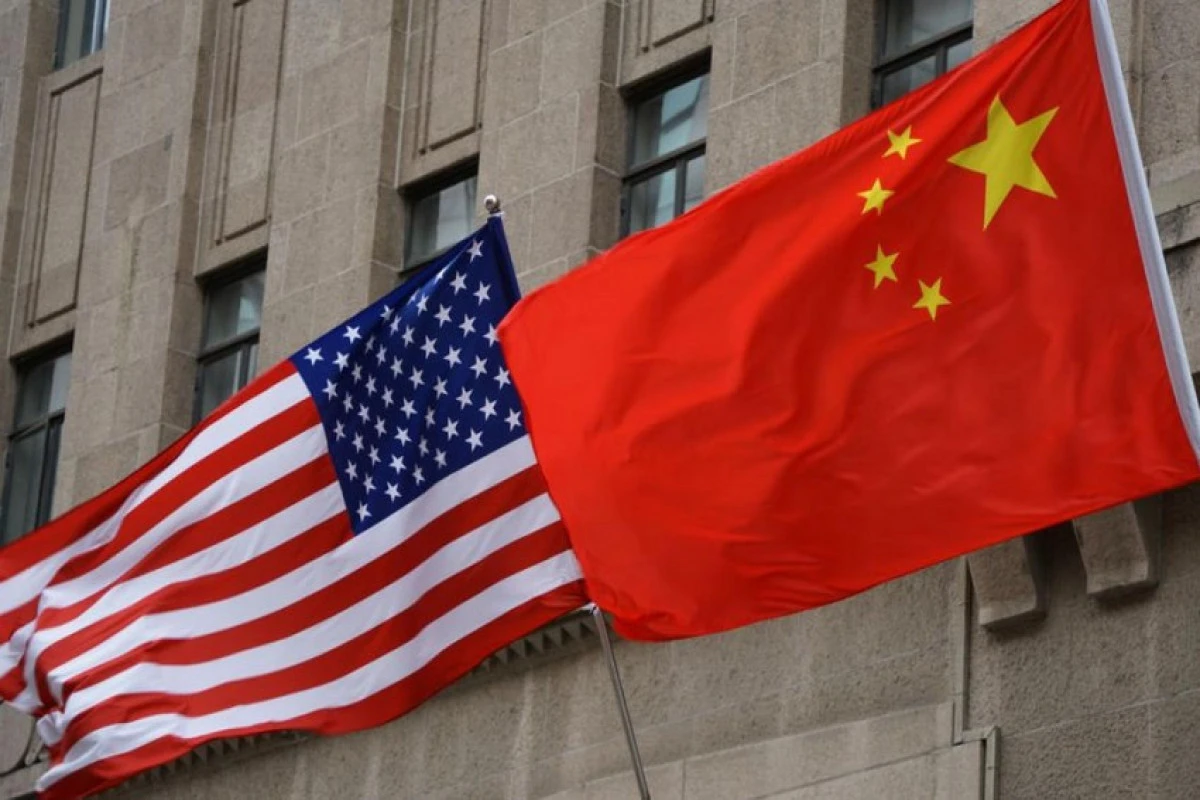
Neither side has budged. Instead, China has filed a complaint with the World Trade Organization, accusing the US of breaking trade rules. The WTO warns that this conflict could shrink trade between the two economies by as much as 80 percent, with ripple effects for global growth.
The trade war has immediate costs. J.P. Morgan estimates US tariffs on Chinese goods now average over 104 percent, amounting to a $400 billion tax hike for American businesses and households.
China’s economic growth remains positive, with a 5.4 percent rise in the first quarter of 2025, but analysts expect slower growth ahead. The Chinese yuan has weakened, and Beijing has started to diversify its trade partnerships, seeking new allies and reducing reliance on the US market.
Both countries have made strategic moves. Washington has delayed some tariffs for other trading partners but kept China under strict duties. Beijing has not sought talks, instead increasing tariffs and restricting US exports, such as suspending Boeing deliveries.
China also appointed a new trade negotiator, signaling it takes the dispute seriously but will not act under pressure. Experts see little sign of compromise. The US says Trump remains open to a deal but only if China acts first.
China insists it will ignore what it calls the US “tariff numbers game” and will only negotiate with respect. The result is a classic game of chicken, with both sides holding firm and risking greater losses if neither yields.
The real story is not just about tariffs but about two economic giants testing each other’s resolve. Both sides want to protect their interests and avoid appearing weak.
The outcome remains uncertain, but the costs are already clear for businesses, consumers, and the world economy. This standoff shows how trade, once a tool for growth, has become a battleground for power and leverage.
This article was produced by The Rio Times’ automated newsroom system. How we use AI · Report an error · Editorial responsibility: Matthias Camenzind, Editor-in-Chief