DR Congo Suspends Digital Taxes After Startup Backlash
DR CONGO · BUSINESS
Key Facts
—The order. DR Congo adopted a digital fee schedule on 20 July 2026, and suspended it on 1 August.
—The fees. Charges ranged from US$100 for the smallest categories to US$100,000 for some licences.
—The backlash. Startups, youth movements and business groups said the fees would kill digital entrepreneurship.
—The pattern. DR Congo has repeatedly walked back digital and telecom taxes under social pressure since 2022.
—The context. Neighbouring Republic of the Congo began enforcing VAT on foreign digital services on 1 July 2026.
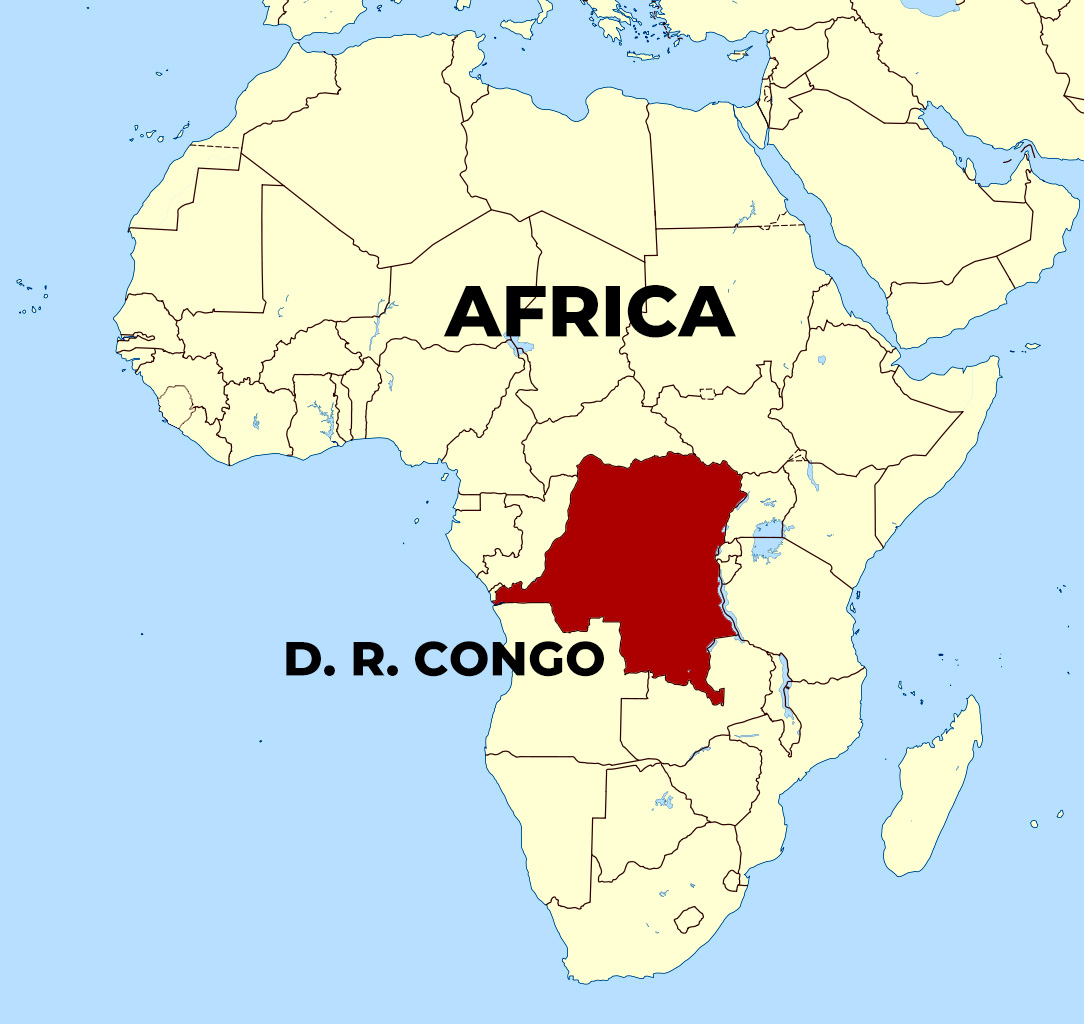
DR Congo digital taxes introduced in July 2026 have been suspended after a fierce backlash from domestic startups and business groups, marking the latest chapter in the country’s troubled effort to extract revenue from its fast-growing digital economy.
What the July 2026 digital tax order contained
On 20 July 2026, the Minister of the Digital Economy and the Minister of Finance signed an interministerial order setting out a schedule of rights, taxes and fees on digital activities. The measure was framed as an implementation text for the country’s Digital Code, enacted on 13 March 2023.
The fee schedule was steep and differentiated between local and foreign actors. Licences for qualified trusted services such as electronic signatures and time-stamping cost US$10,000 for Congolese providers and US$30,000 for foreign ones.
Content-sharing platforms faced charges of around US$5,000 for domestic operators and US$15,000 for foreign platforms. Some categories reportedly carried fees rising from US$100 to US$100,000, depending on the size and type of service.
Why the government hit pause on DR Congo digital taxes
Within days of the order’s publication, public criticism erupted. Entrepreneurs, tech startups and youth movements argued the fees would discourage young people from engaging in digital and technology entrepreneurship.
Business associations warned the charges were disproportionate relative to local market size and income. They cautioned that high entry costs risked accelerating informality or pushing digital businesses to incorporate in neighbouring countries with clearer, cheaper regimes.
Facing this pressure, the Ministry of the Digital Economy agreed to temporarily suspend application of the order. Authorities said they needed to clarify categories of services, calculation methods and exemptions before full enforcement.
A pattern of retreat: the RAM tax and mobile consumption levy
The suspension fits a well-established pattern. From 2020, DR Congo imposed a Registre des Appareils Mobiles (RAM) tax, charging mobile users an annual levy of US$1 for 2G phones and US$7 for 3G and 4G devices, collected in six instalments.
Civil society groups and MPs argued the levy reduced phone affordability and that revenues did not appear in public accounts. After sustained protests, the government abolished RAM effective 1 March 2022 by a Council of Ministers decree dated 18 February 2022.
In 2022, the telecom regulator proposed a mobile consumption tax on every voice minute, message and megabyte. The government adopted it, estimating roughly US$180 million in annual revenue, but operators including Africell, Airtel, Orange and Vodacom resisted fiercely.
The Digital Code’s contradiction: startup exemptions versus heavy fees
DR Congo’s Digital Code of March 2023 explicitly provides tax and fee exemptions for startups, entrepreneurs and small and medium-sized enterprises operating in the digital sector. The July 2026 order appeared to contradict that promise.
Young entrepreneurs argued the new fee schedule effectively closed the sector to domestic innovators. It reserved licences for cash-rich incumbents and foreign operators able to pay large upfront sums, they said.
This tension between pro-startup rhetoric and revenue-maximising fee design lies at the heart of the domestic legitimacy crisis. The government now faces the task of reconciling its own legal commitments with its fiscal ambitions.
The wider African scramble for digital revenue
DR Congo’s moves sit within a broader African trend toward taxing the digital economy. Governments are seeking to broaden tax bases as digital platforms and data-driven business models expand rapidly across the continent.
Neighbouring Republic of the Congo offers a telling comparison. Its 2024 Finance Act introduced VAT on cross-border digital services at 18 percent, plus a 2 percent digital services tax on non-resident providers, with obligations enforceable from 1 July 2026.
Policy debates in Kinshasa are increasingly influenced by these regional examples. The stakes are high for how foreign tech giants will be treated, as explored in our pillar series Africa: The New Scramble.
What the suspension means for investors and platforms
The suspension offers temporary relief but regulatory uncertainty remains high. Future fees may be revised rather than abolished, and founders must navigate a confusing mix of promised exemptions and potential high licence costs.
Foreign operators have already experienced aggressive enforcement tactics during previous disputes. Reports emerged in 2022 of telecom executives being prevented from leaving the country as authorities sought to enforce mobile tax payments.
Telcos and platforms should consider contractual protections and proactive engagement with regulators. The regional trend suggests a formal digital services tax on global tech giants is plausible in the medium term.
The governance question: off-budget revenues and opaque flows
A recurring concern in DR Congo’s digital tax experiments has been transparency. RAM revenues were not clearly reflected in public accounts and involved private intermediaries, raising alarm about corporate capture and rent-seeking.
The country is simultaneously digitalising its tax administration, with mandatory electronic invoicing for VAT-registered businesses enforced from 15 May 2026. This creates the infrastructure for new digital-sector levies while amplifying their reach and impact.
For the suspension to translate into durable policy, the government will need to address these governance gaps. Clear revenue flows, parliamentary oversight and genuine consultation with the tech sector would mark a departure from past practice.
Connected Coverage
More: DR Congo news in English, every day from The Rio Times.
Frequently asked questions
Why did DR Congo suspend its new digital taxes?
The government suspended the July 2026 digital fee order after a strong backlash from domestic startups, youth movements and business associations. Critics argued the charges, which reached up to US$100,000 for some licences, would kill digital entrepreneurship and push businesses into informality. The Ministry of the Digital Economy said it needed time to clarify service categories and possibly revise the fees.
How much were the suspended digital fees in DR Congo?
The fee schedule ranged from US$100 to US$100,000 depending on the service type. Licences for qualified trusted services such as electronic signatures cost US$10,000 for local providers and US$30,000 for foreign ones. Content-sharing platforms faced charges of around US$5,000 for Congolese operators and US$15,000 for foreign platforms.
Has DR Congo tried to tax digital services before?
Yes. The RAM mobile device tax charged users up to US$7 a year until it was abolished in March 2022 after protests. In 2022, a mobile consumption tax on voice minutes, messages and data was adopted but fiercely resisted by operators including Africell, Airtel, Orange and Vodacom. The pattern shows repeated attempts to tax digital and telecom activity, followed by retreats under social and industry pressure.
This article was produced by The Rio Times’ automated newsroom system. How we use AI · Report an error
LatAm Markets: Live Signals → — real-time movers, turnover leaders and FX across Latin America.
Read More from The Rio Times