IBOV 174,913.04 ▲ 0.19% IPSA 11,426.41 ▲ 0.50% IPC MEX 66,090.98 ▼ 0.15% MERVAL 3,007,801 ▼ 0.57% COLCAP 2,493.41 ▼ 0.45% BVL PERÚ 60,629.82 ▼ 0.05% USD/BRL5.17▲ 0.38% USD/MXN16.97▲ 0.07% USD/CLP924.00▲ 0.26% USD/COP3,131▲ 1.21% USD/PEN3.34▼ 0.04% USD/ARS1,514▼ 0.05% USD/UYU40.25▲ 1.53% USD/PYG5,905▲ 0.48% USD/BOB11.65▲ 2.81% USD/DOP58.25▲ 0.75% USD/CRC448.38▲ 1.62% USD/GTQ7.63▲ 2.37% USD/HNL26.83▲ 1.77% USD/NIO36.62▲ 0.79% USD/VES789.35▼ 0.13% USD/PAB1.00— 0.00% USD/BZD2.00— 0.00% USD/JMD 157.28 — 0.00% USD/TTD6.73▲ 1.14% EUR/BRL6.02▲ 0.34% BRENT 88.88 ▼ 0.03% WTI 83.11 ▼ 0.11% IRON ORE 161.91 — — COPPER 6.61 ▲ 0.03% GOLD 4,461 ▲ 1.78% SILVER 65.59 ▲ 1.26% SOY 1,184 ▲ 3.20% CORN 480.50 ▲ 10.02% WHEAT 655.00 ▲ 3.93% COFFEE 317.25 ▼ 5.51% SUGAR 16.43 ▼ 1.79% ORANGE JUICE 138.55 ▼ 0.47% COTTON 85.03 ▲ 2.33% COCOA 5,719 ▲ 3.18% BEEF 223.60 ▼ 3.93% CATTLE 339.10 ▼ 3.16% LITHIUM 75.20 ▲ 1.47% PETR4 41.64 ▼ 0.05% VALE3 72.97 ▲ 0.83% ITUB4 38.60 ▼ 1.03% BBDC4 16.85 ▲ 0.36% ABEV3 14.89 ▼ 0.80% BBAS3 19.37 ▲ 0.47% B3SA3 14.26 ▼ 0.21% WEGE3 47.59 ▲ 0.49% PRIO3 59.14 ▼ 0.19% SUZB3 41.33 ▲ 2.35% RENT3 34.68 ▼ 0.09% AZZA3 15.89 ▼ 2.63% CSAN3 3.22 ▼ 1.83% RAIZ4 0.25 — 0.00% PCAR3 2.75 ▼ 0.36% GMAT3 3.65 ▼ 1.08% PSSA3 48.13 ▼ 0.54% CVCB3 1.33 ▼ 2.92% POSI3 3.36 ▲ 2.44% SLCE3 13.34 ▲ 0.30% NATU3 8.14 ▼ 0.73% IBOV 174,913.04 ▲ 0.19% IPSA 11,426.41 ▲ 0.50% IPC MEX 66,090.98 ▼ 0.15% MERVAL 3,007,801 ▼ 0.57% COLCAP 2,493.41 ▼ 0.45% BVL PERÚ 60,629.82 ▼ 0.05% USD/BRL 5.16 ▲ 0.01% USD/MXN 17.06 ▼ 0.24% USD/CLP 913.98 ▲ 0.04% USD/COP 3,140 ▲ 0.03% USD/PEN 3.36 ▼ 0.66% USD/ARS 1,493 ▲ 0.10% USD/UYU 40.27 ▲ 1.24% USD/PYG 5,939 ▲ 1.68% USD/BOB 11.64 ▼ 0.76% USD/DOP 58.34 ▲ 1.25% USD/CRC 445.92 ▲ 0.89% USD/GTQ 7.62 ▲ 2.21% USD/HNL 26.79 ▲ 1.57% USD/NIO 36.62 ▲ 0.69% USD/VES 762.44 ▼ 0.13% USD/PAB 1.00 — 0.00% USD/BZD 2.00 — 0.00% USD/JMD 157.28 — 0.00% USD/TTD 6.70 ▲ 0.61% EUR/BRL 5.95 ▲ 1.01% BRENT 88.88 ▼ 0.03% WTI 83.11 ▼ 0.11% IRON ORE 161.91 — — COPPER 6.61 ▲ 0.03% GOLD 4,461 ▲ 1.78% SILVER 65.59 ▲ 1.26% SOY 1,184 ▲ 3.20% CORN 480.50 ▲ 10.02% WHEAT 655.00 ▲ 3.93% COFFEE 317.25 ▼ 5.51% SUGAR 16.43 ▼ 1.79% ORANGE JUICE 138.55 ▼ 0.47% COTTON 85.03 ▲ 2.33% COCOA 5,719 ▲ 3.18% BEEF 223.60 ▼ 3.93% CATTLE 339.10 ▼ 3.16% LITHIUM 75.20 ▲ 1.47% PETR4 41.64 ▼ 0.05% VALE3 72.97 ▲ 0.83% ITUB4 38.60 ▼ 1.03% BBDC4 16.85 ▲ 0.36% ABEV3 14.89 ▼ 0.80% BBAS3 19.37 ▲ 0.47% B3SA3 14.26 ▼ 0.21% WEGE3 47.59 ▲ 0.49% PRIO3 59.14 ▼ 0.19% SUZB3 41.33 ▲ 2.35% RENT3 34.68 ▼ 0.09% AZZA3 15.89 ▼ 2.63% CSAN3 3.22 ▼ 1.83% RAIZ4 0.25 — 0.00% PCAR3 2.75 ▼ 0.36% GMAT3 3.65 ▼ 1.08% PSSA3 48.13 ▼ 0.54% CVCB3 1.33 ▼ 2.92% POSI3 3.36 ▲ 2.44% SLCE3 13.34 ▲ 0.30% NATU3 8.14 ▼ 0.73%
since 2009
Thursday, August 27, 2026

Crisis in the Skies: Brazil’s Wind Power Sector Seeks Government Lifeline

By · June 20, 2024 · 2 min read

Daily Brief

The morning intel from across Latin America. Free.

By subscribing you agree to our privacy policy. We never share your email.

Brazil’s wind energy sector is currently in turmoil, prompting the government to consider urgent, necessary interventions.

This industry, crucial for sustainable energy, has seen a drastic reduction in new projects over the last two years.

Consequently, orders for critical components like turbines and blades have plummeted.

Currently, the sector grapples with two main issues. An excess of energy in the regulated market has negated the need for new capacity auctions.

Moreover, this surplus depresses energy prices in the free market, complicating profitability for new ventures.

Additionally, a global drop in solar panel prices has undercut wind energy’s competitiveness.
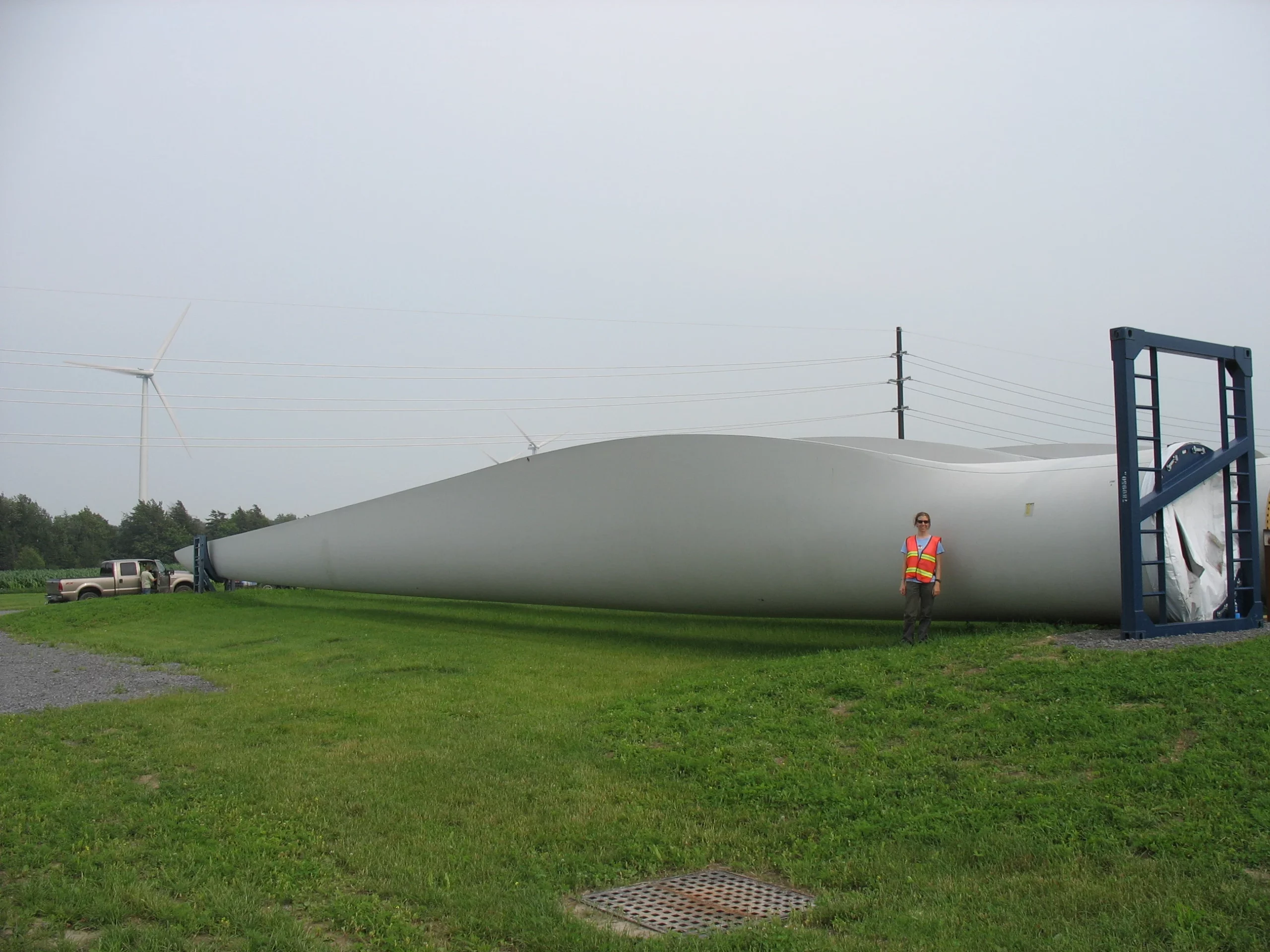
Crisis in the Skies: Brazil’s Wind Power Sector Seeks Government Lifeline. (Photo Internet reproduction)
One-stop reference
Company Intelligence
Every listed company in Latin America — financials, ownership and structure for 1,450+ companies across 26 exchanges, in one place.
Browse the directory →
RT
Ask Rio Times
Latin American markets, currencies and companies.
Open the full Ask Rio Times →

This price fall favors photovoltaic installations over wind projects and promotes the adoption of new distributed generation systems, slicing into the distributors’ market share.

The competitive edge of wind energy is further eroded by the influx of cheap solar panels from China.

In response, the government is contemplating export incentives for domestic equipment manufacturers.

Such measures would aid Brazilian companies in tapping into markets focused on the energy transition, like the U.S. and Europe.

This strategy could ease immediate industrial pressures, averting job losses and production halts.

Despite these efforts, major industry players like GE and Siemens Gamesa have already ceased their Brazilian operations.

Similarly, WEG plans to pause its turbine production in Santa Catarina by mid-year to pivot towards the U.S. market.

Meanwhile, Aeris, a blade manufacturer, has laid off 1,500 workers due to a lack of domestic orders.

Vestas, another key player, although not currently in crisis, predicts potential production stops in the next two years.

These developments led to discussions last Friday with Finance Minister Fernando Haddad, focusing on restoring sectoral competitiveness.

Crisis in the Skies: Brazil’s Wind Power Sector Seeks Government Lifeline

Other governmental strategies include tweaking financing lines and modifying import tariffs.

A notable proposal is mandating local content in solar projects financed by state banks to level the playing field with imported solar technologies.

This suite of measures aims to safeguard a sector that not only employs thousands but also contributes significantly to Brazil’s renewable energy output.

The Brazilian Association of Wind Energy supports these initiatives, noting an 80% domestic component in wind turbines, contrasted with an 80% import rate for solar parts.

Global trends towards protectionism, like the U.S.’s recent tariff hikes on Chinese tech goods, mirror Brazil’s potential path.

This protective stance is crucial as Brazil strives to maintain its renewable energy advancements and industrial capacity in the face of global economic shifts and competitive pressures.

This article was produced by The Rio Times’ automated newsroom system. How we use AI · Report an error

Read More from The Rio Times

The Rio Times · Power Map
See who really holds power in Latin America
Click to open the Power Map

Rotate for Best Experience

This report is optimized for landscape viewing. Rotate your phone for the full experience.