Costa Rica Romería 2026: How Trains and Buses Ran to Cartago
Travel: Cartago
Key Facts
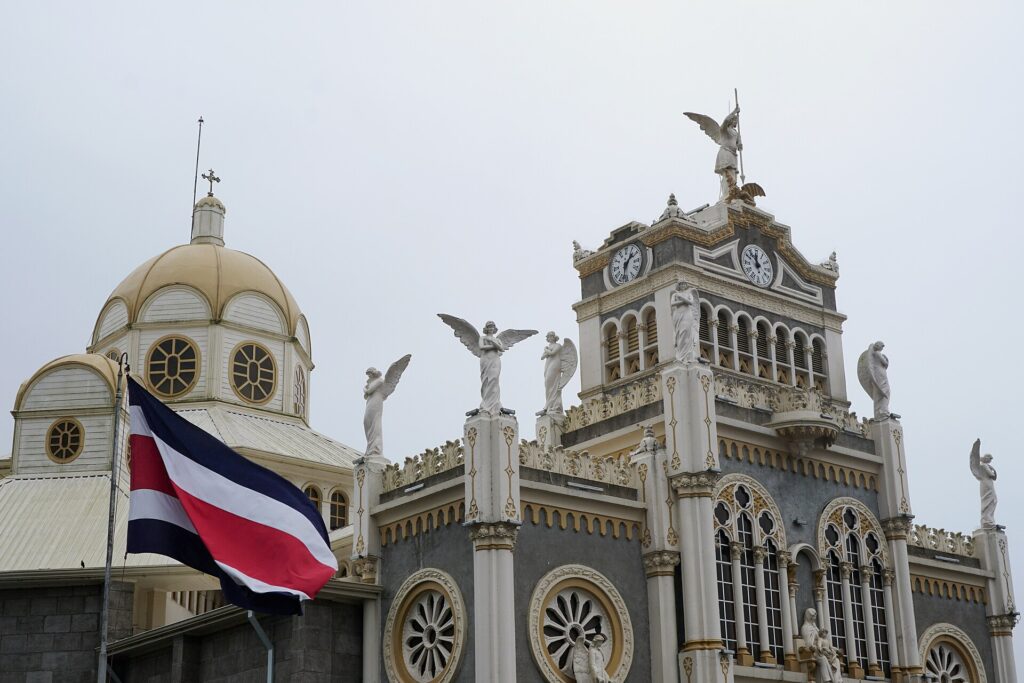
—The Pilgrimage. The Romería is Costa Rica’s largest annual pilgrimage, ending at the Basílica de Nuestra Señora de los Ángeles in Cartago for the 2 August feast of the Virgen de los Ángeles.
—Trains. Incofer ran continuous San José–Cartago trains from 9 a.m. Saturday 1 August to noon Sunday 2 August; the fare held at ₡710 (about US$1.40).
—Frequency. Departures ran hourly from 9 a.m. to 7 p.m., then every 35 minutes from 8 p.m.; the last train left Cartago at 11:50 a.m. Sunday, with capacity for about 26,000 riders.
—Buses. The transport regulator reinforced Cartago–San José service to 146 units running through the night, with the operator Lumaca alone adding 34 buses.
—Relocated Terminal. Cartago’s bus terminal moved to the Plaza de la Soledad from 6 p.m. Saturday to 10 a.m. Sunday, with direct routes to Heredia, Escazú, Guadalupe and Desamparados.
Each year the Romería draws enormous crowds walking to Cartago for the feast of the Virgen de los Ángeles; here is how Costa Rica’s trains and buses carried them home over the 2026 pilgrimage weekend.
What the Romería Is
The Romería is Costa Rica’s largest annual pilgrimage. In the days around 2 August, hundreds of thousands of people walk to the Basílica de Nuestra Señora de los Ángeles in Cartago to honour the Virgen de los Ángeles, affectionately known as La Negrita, the country’s patron saint.
Many set out on foot from San José, which lies about 20 kilometres to the west, walking east to Cartago, while others cover far longer routes from distant provinces. The tradition dates back centuries and works as both a religious act and a national ritual that cuts across social lines.
For newcomers, the key logistical fact is this: reaching Cartago on foot is the easy part. Getting back is the challenge, which is why the authorities lay on special overnight train and bus services.
Trains Almost Around the Clock
The Instituto Costarricense de Ferrocarriles (Incofer) ran continuous service between San José and Cartago from 9 a.m. on Saturday 1 August until midday on Sunday 2 August. Trains departed from the Cartago station and from the Estación del Atlántico in San José.
Departures were scheduled every hour from 9 a.m. to 7 p.m., then every 35 minutes from 8 p.m. through to Sunday noon, when demand for the return trip peaks. The last train out of Cartago left at 11:50 a.m.
Incofer said it would put its entire fleet into service, with capacity for about 26,000 people across the operation. The fare held steady at ₡710 (about US$1.40) per trip, the standard colones price on the line.
Buses: 146 Units and a Relocated Terminal
On the road side, the Consejo de Transporte Público reinforced the Cartago–San José corridor. The operator Lumaca added 34 buses, and other companies were authorised to help, bringing the total to 146 units running continuously through Saturday night and into Sunday morning.
Crucially, Cartago’s bus terminal was moved. From 6 p.m. on Saturday until 10 a.m. on Sunday, departures shifted to the Plaza de la Soledad. The central terminal then reopened at 6 a.m. on Sunday, so between 6 and 10 a.m. there were two separate departure points back to the capital.
Direct Routes Home and Combined Fares
Beyond the San José run, direct buses connected Cartago with Heredia, Escazú, Guadalupe and Desamparados. These left from the southern side of the Plaza de la Soledad, about 200 metres west and 400 metres south of the basilica.
Fares on these routes combined the Cartago–San José price with the regular fare to each final destination. Companies with electronic payment charged the correct amount automatically, based on where each passenger was heading.
Road Closures, Taxis and Staying Visible
The Ministerio de Obras Públicas y Transportes (MOPT) announced closures at the entrance to Cartago and along the pilgrimage route, with roads shut according to the flow of walkers during Saturday afternoon and evening and potentially into Sunday.
Taxis operated from two temporary stands in central Cartago from 4 a.m. on Saturday until 6 a.m. on Sunday, on calle 11 between avenida central and avenida 2, and on avenida 2 between calles 11 and 15. With cold and rain reported along the route this year, officials again urged walkers to wear reflective or light-coloured clothing to stay visible after dark.
What It Means for Expats
For foreign residents, the Romería is one of the clearest windows into Costa Rican identity, mixing Catholic devotion with a broad, family-friendly civic tradition. Even non-religious visitors join the walk for the atmosphere.
The practical lesson is to plan the return before setting out. With trains running through the night at ₡710 (about US$1.40) and a dense web of reinforced bus routes, the trip home is manageable, but timing it around the late-morning Sunday peak makes the difference between a short wait and a long one.
More: Costa Rica news in English, every day from The Rio Times.
Frequently Asked Questions
When is the Romería to Cartago?
The Romería centres on 2 August, the feast of the Virgen de los Ángeles. In 2026 the main pilgrimage fell on the weekend of 1–2 August, with special transport running from Saturday morning into Sunday.
How much did the train to Cartago cost?
Incofer kept the fare at ₡710 (about US$1.40) per trip, running continuous San José–Cartago service with capacity for around 26,000 passengers.
Where did the buses leave from in Cartago?
The Cartago terminal moved to the Plaza de la Soledad from 6 p.m. Saturday to 10 a.m. Sunday, with direct routes to Heredia, Escazú, Guadalupe and Desamparados from the plaza’s southern side.
Sources: La Nación; Incofer; Teletica.
This article was produced by The Rio Times’ automated newsroom system. How we use AI · Report an error
Read More from The Rio Times