Costa Rica Opens Legal Status Window for Thousands of Long-Resident Migrants
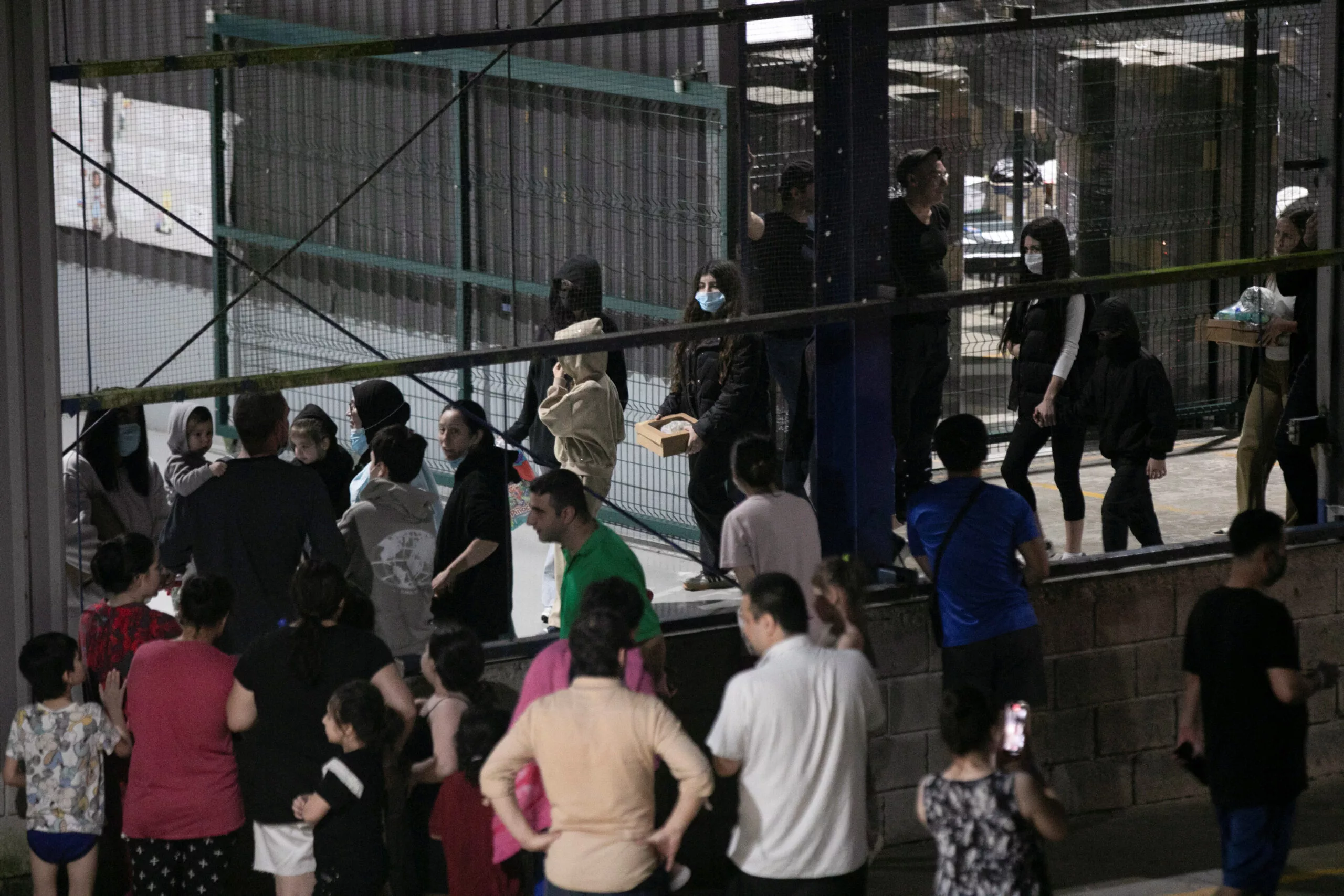
Costa Rica will grant a two-year, renewable legal status to thousands of Nicaraguan, Cuban, Venezuelan and Colombian nationals with pending or denied asylum claims who can prove lasting ties to the country.
Starting September 1, Costa Rica’s immigration authority, the Dirección General de Migración y Extranjería (DGME), will roll out the Categoría Especial Temporal Complementaria (CETC), a special temporary legal status aimed at long-time foreign residents stuck in the asylum system.
Key Facts
- Window. Applications are accepted by appointment from September 1, 2026 through September 1, 2027.
- Who qualifies. Nationals of Nicaragua, Cuba, Venezuela and Colombia who filed a refugee claim between June 1, 2014 and May 7, 2026, still pending, declared unfounded or definitively denied.
- Residence test. Applicants must have lived continuously in Costa Rica since filing and hold no other valid or pending immigration status.
- Vetting. The DGME runs national and international background checks; security risks and disqualifying criminal records are rejected.
- Rights. The permit allows legal residence and work, employed or self-employed, for two years, renewable in two-year steps.
Who Qualifies — and Who Does Not
The category targets four nationalities that dominate Costa Rica’s asylum backlog: Nicaraguans, Cubans, Venezuelans and Colombians. The claim must have been filed between June 1, 2014 and May 7, 2026.
Eligible are people whose application is still unresolved, was declared unfounded or was definitively denied. Anyone holding another approved immigration status, or with a separate regularization process underway, is excluded.
Each family member must apply individually. The resolution behind the program, DG-0064-05-2026, was published in the official gazette on May 29, 2026.
What Applicants Must Show
Ties to the country are the core test. The DGME accepts documents such as enrollment in educational programs, school registration for children, active coverage with the Caja Costarricense de Seguro Social (CCSS) or other papers from public institutions.
Applicants also need a birth certificate, an identity document, proof of fingerprinting and a criminal record certificate from their home country, or any country where they lived in the past three years, properly apostilled or legalized.
The application form itself is free and downloadable from the DGME’s official website. Fees apply only for the immigration document once approved.
How the Process Works From September
Applications are taken by appointment only, at the DGME’s San José office, between September 1, 2026 and September 1, 2027.
Before approval, the authority conducts national and international background checks. Anyone deemed a security risk, or carrying a disqualifying criminal record, will be denied.
Approved applicants must complete their paperwork within the deadline the DGME sets and keep their Caja social security coverage active to remain eligible for renewal.
Why San José Is Moving Now
Costa Rica’s refugee system has been under strain for years, with local reporting and mixed-migration monitors putting pending applications in the hundreds of thousands. The CETC offers the state a way to clear long-stalled files while bringing people into the formal economy.
Authorities frame the program as both a humanitarian fix and an administrative one: legal status ends years of uncertainty for families, and formal work authorization broadens the tax and social security base.
For employers, the change converts an informal workforce into documented workers with CCSS coverage obligations on both sides.
What It Means for Foreign Residents
For the expat and migrant community, the CETC is the broadest regularization opening Costa Rica has offered in years. It does not create permanent residency, but it converts limbo into a stable, renewable legal status.
Migration lawyers advise gathering residency evidence early, since appointments are the only intake channel and documentation from home countries can take weeks to apostille.
More: Costa Rica news in English, every day from The Rio Times.
Sources
Frequently Asked Questions
Who can apply for Costa Rica’s CETC status?
Nationals of Nicaragua, Cuba, Venezuela and Colombia who filed a refugee claim between June 1, 2014 and May 7, 2026, whose case is pending, unfounded or denied, and who have lived continuously in Costa Rica since filing.
When does the application window open and close?
Applications are accepted by appointment at the DGME in San José from September 1, 2026 through September 1, 2027.
What rights does the CETC grant?
Legal residence and full work authorization, employed or self-employed, for two years, renewable in further two-year periods as long as requirements such as active CCSS coverage are met.
Connected Coverage
Residency rules are shifting across Central America — we track what they mean for foreign residents.
Sources: Q Costa Rica; Klasko Immigration Law Partners; DGME resolution DG-0064-05-2026.
This article was produced by The Rio Times’ automated newsroom system. How we use AI · Report an error · Editorial responsibility: Matthias Camenzind, Editor-in-Chief