Foreign Investment in Colombia Fell Again in June, to $634M
Markets
Key Facts
—The month. Foreign direct investment into Colombia was $634m in June, down 19.8% from $791m in June 2025 and 3.8% below May.
—The half-year. January-to-June inflows totalled $4.31bn, a 12% fall from $4.92bn in the same months of 2025.
—The source. The figures come from the exchange balance published by Banco de la República, Colombia’s central bank.
—The sector. Oil and mining, the country’s dominant destination for foreign capital, saw its inflows fall about 20% in June.
—The pattern. Year-on-year monthly declines have now recurred through every month of 2026, extending a trend visible since 2024.
—The backdrop. Full-year investment already fell 14% in 2025, to $9.17bn, from the 2023 peak.
Colombia foreign investment is having its weakest first half in years, and June did nothing to interrupt the slide.
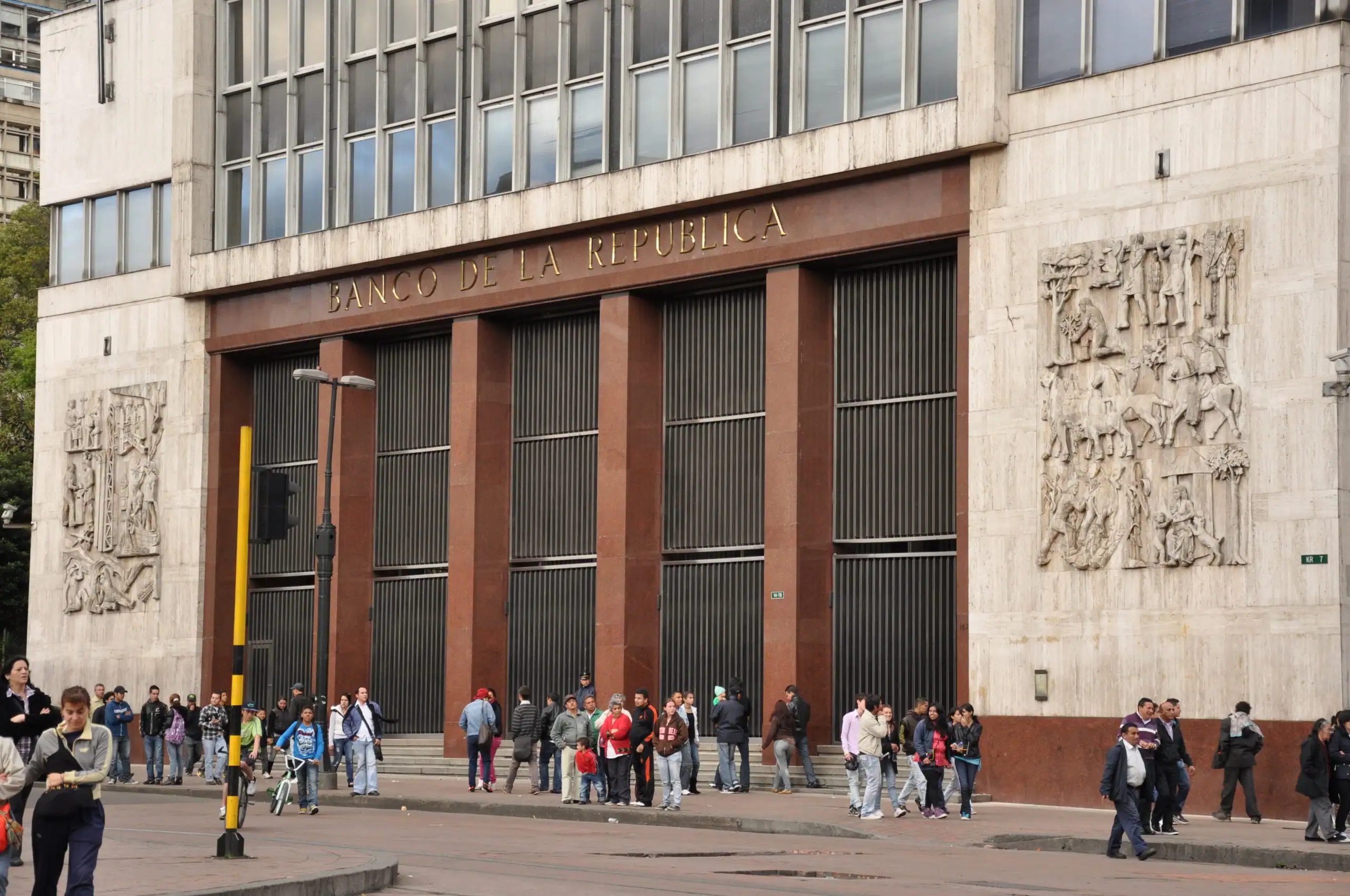
The central bank’s exchange balance shows that six hundred and thirty-four million dollars of foreign capital entered the country in June. That is nearly a fifth less than the same month a year earlier, and slightly below the May figure too.
Add the six months together and the picture is plainer. Colombia took in about four and a third billion dollars between January and June, roughly twelve percent less than in the first half of 2025.
Why Colombia foreign investment keeps sliding
The immediate answer is the same commodity dependence that has shaped these numbers for a decade. Oil and mining are where most foreign money goes, and in June those flows fell by about a fifth.
That leaves the headline hostage to a single sector. When crude and coal investment softens, as it did in June, the national total follows almost mechanically.
The irony is not lost on economists. President Gustavo Petro has campaigned to move Colombia away from fossil fuels, yet the data show the economy leaning on extractive capital more heavily than before, because so little is arriving anywhere else.
Layered on top is caution about Colombia itself. High interest rates, a widening fiscal deficit, and repeated warnings from ratings agencies have made international allocators slower to commit fresh money.
How does June fit the wider Colombia foreign investment trend?
It confirms it rather than changes it. Our own reporting on the first quarter recorded the lowest opening three months since 2021, and every month since has kept the year-on-year comparison negative.
The full year 2025 had already fallen fourteen percent, to about nine billion dollars, from the record set in 2023. On our own arithmetic, the 2025 total sat almost a third below that peak.
A twelve-percent drop in the first half of 2026 means the erosion has not merely continued but is compounding on a base that was already shrinking.
There is a further wrinkle in how these figures are built. Part of what the balance records as investment is foreign companies reinvesting profits or parking money to pay local taxes, rather than genuinely new capital arriving.
That means the underlying picture of fresh, job-creating investment may be weaker still than the headline suggests. The quality of the inflow matters as much as the quantity.
The other side of the ledger
Foreign money coming in is only half the flow. The same balance tracks Colombian money going out, and that has been rising sharply.
Earlier in the year, Colombian firms were sending record sums abroad, in some months many times more than the year before. That combination, less capital arriving and more leaving, is what unsettles economists most.
Foreign direct investment is the patient kind of money. It builds factories, funds oil fields and stays for years, which makes its retreat a slower and more telling signal than a wobble in the stock market.
More: Colombia news in English, every day from The Rio Times.
Frequently Asked Questions
Why should a foreign investor care?
Because this money helps pay Colombia’s bills with the outside world. The central bank has warned that a deteriorating fiscal position could eventually make lenders less willing to finance the country’s external deficit.
Falling investment tightens that squeeze. A country that attracts less long-term capital must lean harder on portfolio flows and remittances, both of which can reverse far more quickly.
What happens next?
A new government takes office on 7 August, and investors will watch whether it can steady the fiscal outlook that has weighed on these numbers.
The contrast with Colombia’s banks is worth holding in view. Lenders booked record profits in 2025 even as foreign investment retreated, a reminder that a domestic financial system can thrive while the external accounts weaken.
For a newcomer weighing Colombian exposure, the two facts belong together. Strong bank earnings signal a functioning market; falling foreign investment signals how the wider world is pricing the country’s risk.
Until then the direction is set. Six consecutive months of year-on-year decline is a trend, not a stumble, and reversing it will take more than a single strong print.
This article was produced by The Rio Times’ automated newsroom system. How we use AI · Report an error · Editorial responsibility: Matthias Camenzind, Editor-in-Chief
In depth
LatAm Markets: Live Signals → — real-time movers, turnover leaders and FX across Latin America.