Ten Things That Make Colombia Unlike Any Other Country
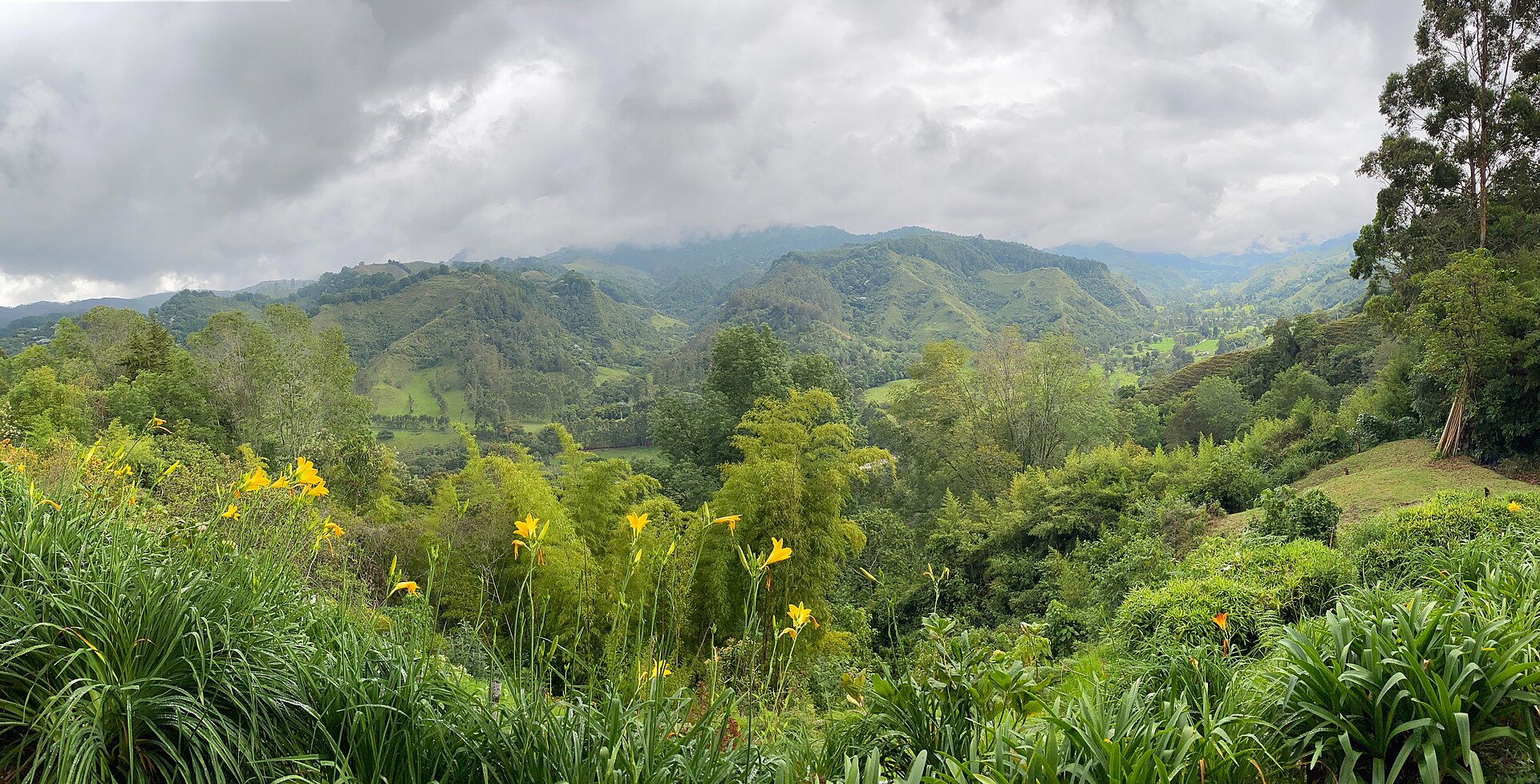
Colombia packs more climates, species and contrasts into its territory than almost any country on Earth. These are the facts that explain why.
Ask ten travelers what defines Colombia and you will get ten answers — coffee, emeralds, salsa, the Caribbean. The data behind the postcards is stranger and stronger than the clichés.
Key Facts
- Two coasts. The only South American country with coastlines on both the Caribbean Sea and the Pacific Ocean.
- Biodiversity. The second-most biodiverse country on Earth — and number one per square kilometer.
- Birds. More bird species than any other country: around 1,900, roughly a fifth of the world total.
- Coffee. The world’s third-largest coffee producer; its Coffee Cultural Landscape is a UNESCO World Heritage Site.
- Emeralds. The source of most of the world’s emeralds, mined in Boyacá for five centuries.
A Country of Two Oceans
Colombia is the only nation in South America with coasts on both the Caribbean and the Pacific, more than 3,000 kilometers of shoreline in total.
The two coasts could not be more different: Cartagena’s walled Caribbean calm on one side, the wild, rain-fed Pacific of Chocó on the other.
That double coastline explains everything from the country’s music — cumbia from the Caribbean, currulao from the Pacific — to its seafood and its weather.
The Biodiversity Superpower
Only Brazil tops Colombia in total species count, but per square kilometer Colombia is the most biodiverse country on the planet.
Its bird list leads the world outright: around 1,900 recorded species, more than any other country, from Andean condors to tiny hummingbirds.
The variety comes from geography: three Andean cordilleras, Amazon rainforest, Pacific jungle, Caribbean plains and the Sierra Nevada de Santa Marta all compressed into one territory.
Mountains That Set the Climate
The Sierra Nevada de Santa Marta is the world’s highest coastal mountain range, rising to about 5,700 meters just 42 kilometers from the sea.
Colombia has no seasons; it has floors. Climate is set by altitude, so Bogotá at 2,640 meters keeps spring temperatures year-round while sea-level Cartagena never drops below tropical.
Locals organize life around pisos térmicos — thermal floors — moving between hot, temperate and cold country in a few hours’ drive.
Coffee, Emeralds and Rivers of Color
Colombia is the world’s third-largest coffee producer and the reference for mild washed arabica; its Coffee Cultural Landscape, with the wax palms of the Cocora Valley, is UNESCO-listed.
The mines of Boyacá have produced the world’s finest emeralds since before the Spanish arrived, and Colombia still supplies the majority of the global market.
In Meta, the Caño Cristales river turns red, yellow and green between June and November thanks to an endemic aquatic plant — the so-called river of five colors.
The Cultural Ledger
Colombia is the second-most-populous Spanish-speaking country after Mexico, with more than 50 million people.
Barranquilla’s Carnival is on UNESCO’s list of intangible cultural heritage, and vallenato — the accordion music of the Caribbean interior — carries the same recognition.
The legend of El Dorado began here, at Lake Guatavita near Bogotá; the Gold Museum in the capital holds over 30,000 pre-Hispanic gold pieces as evidence of the world that inspired it.
Frequently Asked Questions
What is Colombia most famous for?
Coffee, emeralds, biodiversity and music lead the list: Colombia is the world’s third-largest coffee producer, its top emerald source, the second-most biodiverse country and the birthplace of cumbia and vallenato.
Does Colombia have two coasts?
Yes. Colombia is the only South American country with coastlines on both the Caribbean Sea and the Pacific Ocean.
Why is Colombia so biodiverse?
Three Andean ranges, Amazon and Pacific rainforests, Caribbean plains and the Sierra Nevada de Santa Marta compress dozens of ecosystems into one country, making it number one in biodiversity per square kilometer.
Connected Coverage
Colombia keeps climbing the expat and travel rankings — we cover what living there actually means.
Sources: Colombia Travel (ProColombia); UNESCO World Heritage Centre.
This article was produced by The Rio Times’ automated newsroom system. How we use AI · Report an error · Editorial responsibility: Matthias Camenzind, Editor-in-Chief
Expat Guide to Colombia
What The Rio Times publishes for foreigners who live in or move to Colombia.
Start here
- Colombia Rent Increase Limit Is 5.10% in 2026
- Bancolombia Explained, Colombia's Largest Bank in 2026
- Cost of Living in Colombia for Expats in 2026: Rent, Transport and Health in Five Cities
- How to Stay Safe in Colombia in 2026: Advisories, Dating-App Risks and Regions to Avoid
City guides
Medellín, Bogotá, Cartagena, Cali
Coming up in Colombia
- Colombia Holiday Weekends: 12 October, 2 and 16 November 12 Oct
- Altavoz Festival Medellín Brings 59 Free Acts to Colombia, 10–12 October 12 Oct
- Berlin Philharmonic Bogotá Debut: First Colombia Concerts on 14 and 15 October 13 Oct
- Bad Gyal Bogotá Concert Brings Más Cara Tour to Colombia on 18 October 18 Oct
Understand Colombia