Chile’s Unemployment Rises to 8.8%, Revealing Economic Strain
Chile’s unemployment rate climbed to 8.8% in the February-April 2025 quarter, marking a 0.3% increase from the previous year, according to the National Institute of Statistics (INE).
This rise reflects a mismatch between labor force growth (0.6%) and slower job creation (0.2%), leaving more people actively seeking work.
Labor Force Dynamics
The number of unemployed individuals jumped 4.3% year-on-year, driven by layoffs and first-time job seekers. While sectors like finance (+19.5%), hospitality (+7.5%), and education (+4.3%) expanded employment, manufacturing shed 37,000 jobs.
This marked the steepest decline in the sector since the pandemic. This divergence highlights uneven economic recovery.
Gender Gaps Persist
Women face higher unemployment (9.7%) compared to men (8.2%), with female labor force participation growing faster than employment opportunities. Men’s jobless rate rose slightly more (+0.4% annually), though both genders saw labor force expansion outpacing employment gains.
Informal Work Declines
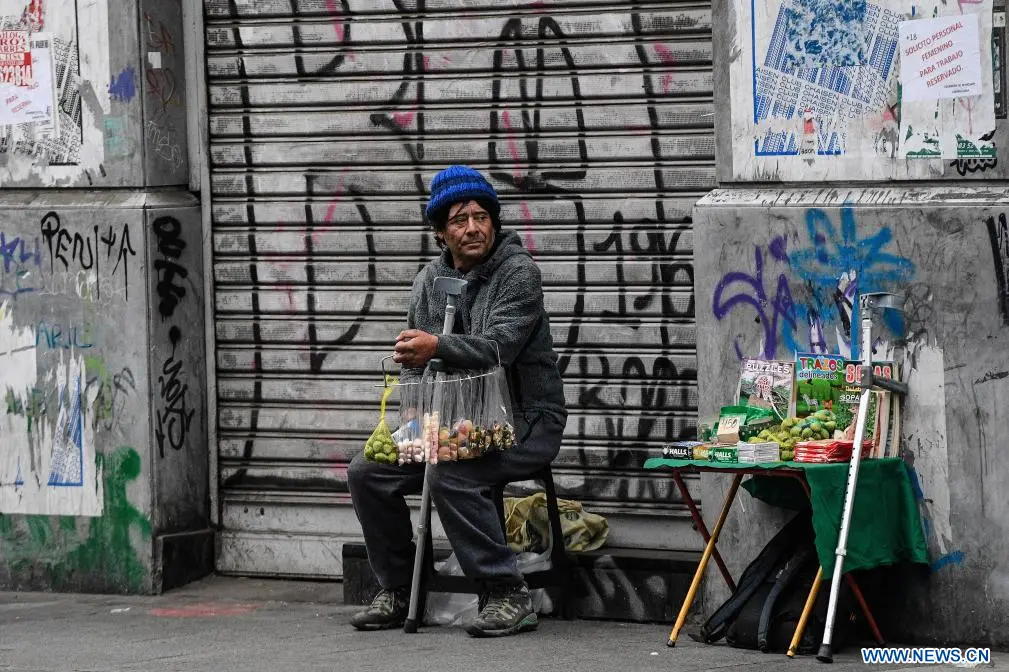
Informal employment fell to 25.8% (-2.4% annually), with women experiencing sharper reductions (-8.5%) than men (-8%). While progress has been made, one in four workers still lacks formal labor protections, exposing them to economic instability.
Economic Context
Chile’s GDP grew 2.3% in Q1 2025, easing from a 4% surge in late 2024. Despite mining and export-driven growth, domestic demand remains sluggish, particularly in household spending and investment.
The central bank notes high job mobility (54% of switches yielding raises), but many transitions fail to boost productivity or wages.
Regional Challenges
Metropolitan Santiago’s unemployment hit 9.5%, exceeding the national average. This concentration underscores regional disparities and the need for targeted policies to align workforce skills with emerging sectors like renewable energy.
Outlook
While the World Bank projects 2.2% growth for 2025, policymakers face pressure to address structural barriers, particularly for women, and ensure economic expansion translates into stable, quality jobs.
The current labor market tension—growth without broad employment gains—poses risks for social stability and consumer spending.
More: Chile news in English, every day from The Rio Times.
This article was produced by The Rio Times’ automated newsroom system. How we use AI · Report an error · Editorial responsibility: Matthias Camenzind, Editor-in-Chief
In depth