Chile’s Lingering Job Crisis: A Slight Dip Masks Deeper Strains
Chile’s latest unemployment figure of 8.5% suggests a nation slowly mending its job market. Yet, this single number conceals a more fractured reality.
The recovery is unfolding in two distinct worlds, divided by gender and job security. For men, the situation is improving, with unemployment falling to 8.1%. For women, however, the rate remains stuck at a higher 9.1%.
This gap is not an anomaly but a symptom of a deeper economic structure where women consistently face greater barriers to stable employment. Beneath the surface of both these figures lies a more unsettling truth: the prevalence of informal work.
Over 26% of the workforce—more than one in four Chileans—holds an informal job. These positions, while providing a livelihood, offer no safety net of pensions, health insurance, or legal protections.
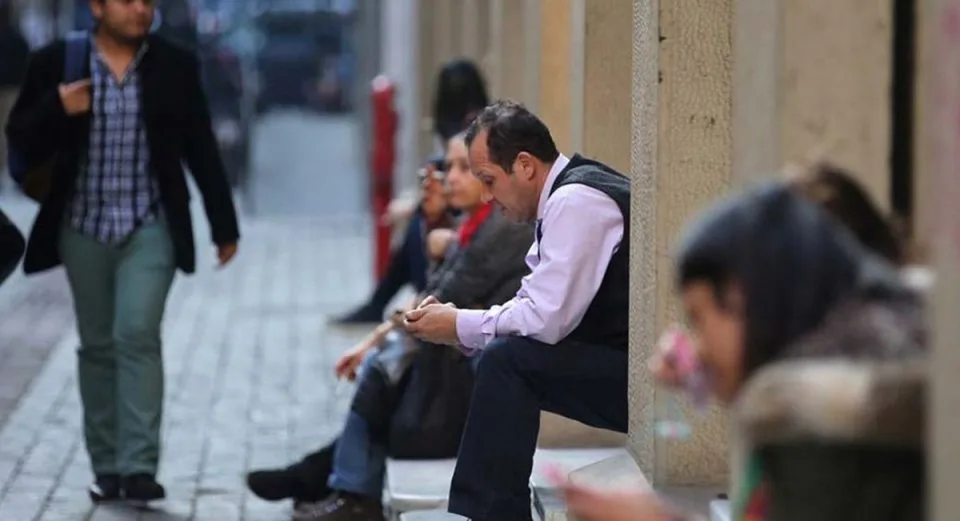
This vast informal sector acts as a shadow economy, perpetuating vulnerability and limiting the nation’s overall economic resilience. The sectors driving growth, like technology and communications, are creating formal jobs, but not enough to absorb the entire labor force.
Meanwhile, traditional sectors are shedding positions. The story here is not just a fluctuating statistic. It is about an economy at a crossroads, grappling with how to build a recovery that includes everyone.
For the international observer, Chile’s situation is a pointed case study in the challenges facing emerging markets: how to translate macroeconomic stability into equitable, secure growth for all citizens, not just a portion of them.
More: Chile news in English, every day from The Rio Times.
This article was produced by The Rio Times’ automated newsroom system. How we use AI · Report an error
Read More from The Rio Times