US Boat Strikes: UN Expert Sees Grounds for Crimes Against Humanity
Latin America · Security
Key Facts
- —What happened The US boat strikes drew a UN expert’s finding of “reasonable grounds to believe” they were crimes against humanity of murder.
- —Who he is A special rapporteur: an independent expert appointed by the Human Rights Council, who does not speak for the UN.
- —The toll His note cites the reported toll of 68 attacks and 223 deaths in the Caribbean and Pacific since September 2025.
- —Who died Venezuelans, Mexicans, Colombians, Ecuadorians, Trinidadians and Saint Lucians, among the minority identified by nationality, according to The Intercept.
- —Washington’s case The administration argues it is in an armed conflict with drug cartels; the BBC reported no White House reply.
- —The catch The finding is an expert opinion, not a court ruling, and no one is known to have been charged over the strikes.
An independent UN rapporteur says a year of attacks on alleged drug boats amounts to serial extrajudicial killings. Washington says it is fighting an armed conflict with cartels.
The US boat strikes drew a UN rebuke of unusual force, made public on Monday 21 September 2026. An independent human rights expert found “reasonable grounds to believe” the killings were crimes against humanity.
The expert is Ben Saul, a law professor at the University of Sydney who serves as a UN special rapporteur. He does not speak for the United Nations as an institution, and no court has ruled on his findings.
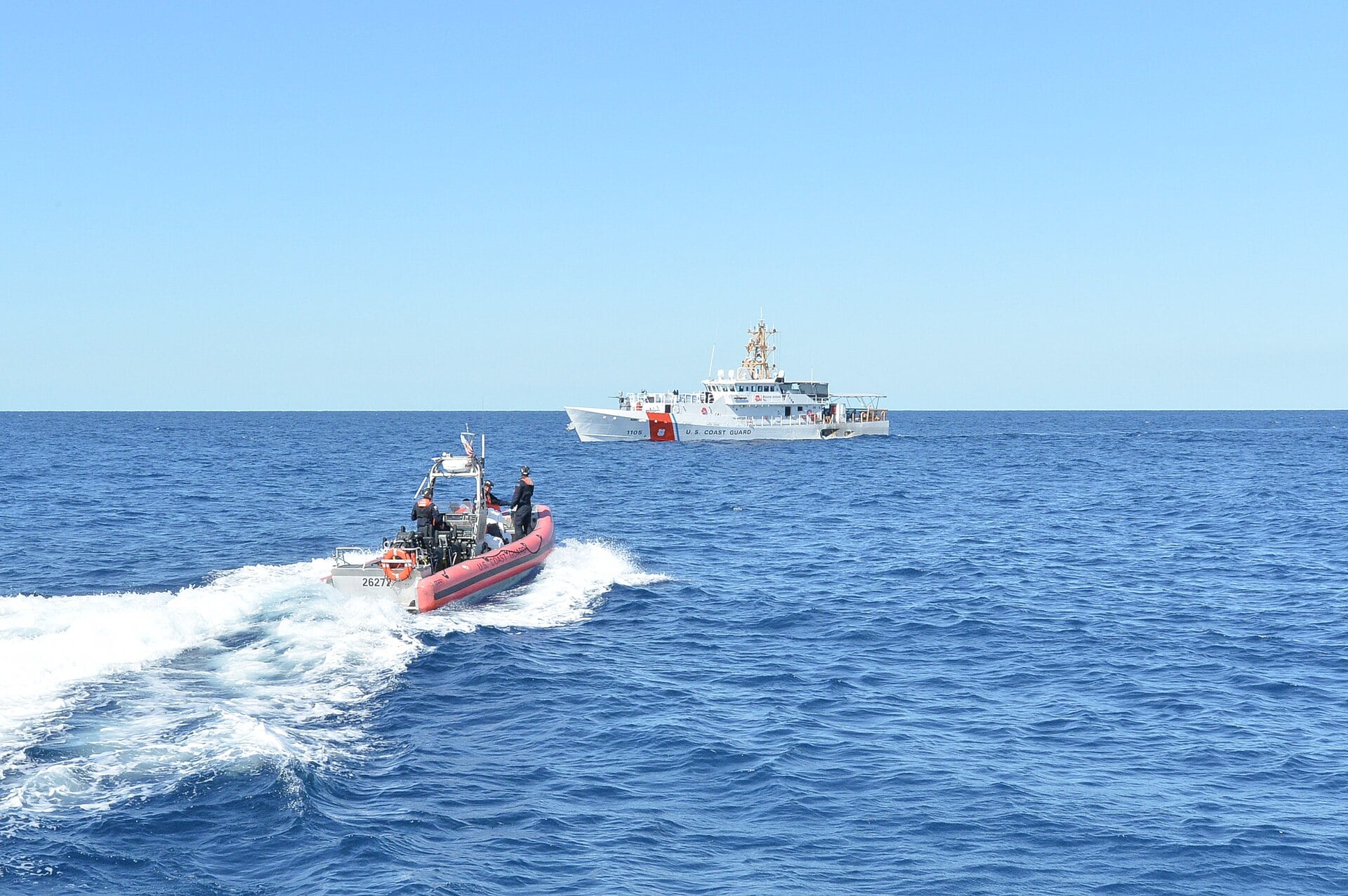
The American attacks began on 2 September 2025, against small boats that Washington says carry drugs. They have since spread from the Caribbean Sea to the eastern Pacific Ocean.
What the expert said
Saul set out his conclusion in a briefing note, reported by the BBC. It addressed “the reported 68 attacks that killed 223 people”.
He wrote that there are “reasonable grounds to believe” the reported attacks “constituted crimes against humanity of murder under customary international law”. Customary law is the body of unwritten rules that binds every state.
He also described the campaign as “serial extrajudicial killings in violation of the right to life”. An extrajudicial killing is a killing by state agents without any arrest, charge or trial.
Saul has held the UN mandate on human rights while countering terrorism since 1 November 2023. Washington calls the boat crews “narco-terrorists” and has designated several cartels as terrorist organisations.
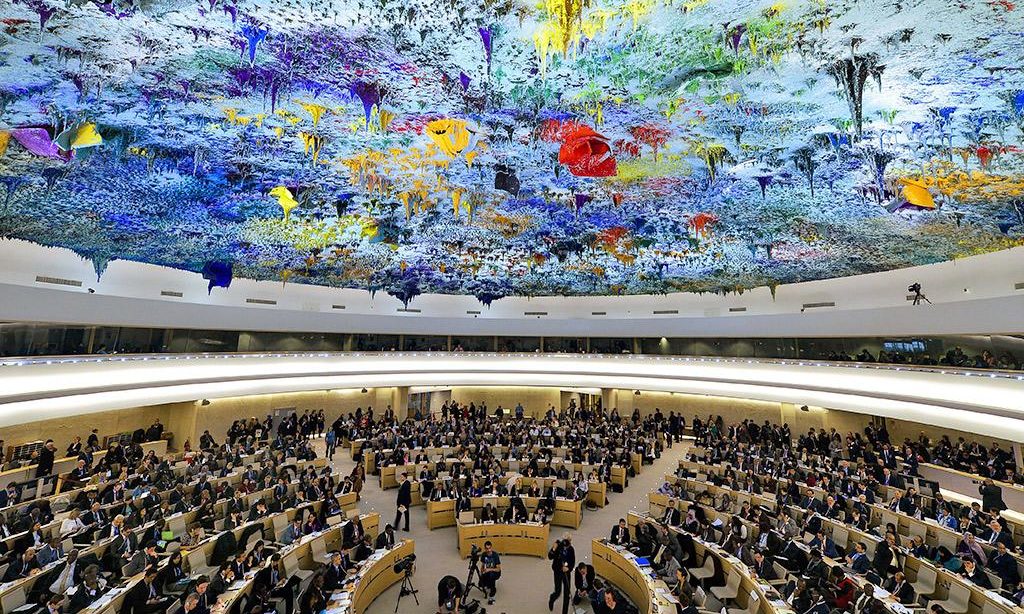
Special rapporteurs are appointed by the UN Human Rights Council, the organisation’s main rights body in Geneva. They work on a voluntary basis, are not UN staff and speak only for themselves.
A year of strikes, and the running tally
Saul was among the UN experts behind a joint statement issued in Geneva on 1 September 2026. His note repeats its tally.
The statement counted at least 223 deaths and at least 68 vessels struck since 2 September 2025.
Saul signed first. Morris Tidball-Binz, the rapporteur on extrajudicial executions, independent expert George Katrougalos and the UN working group on enforced disappearances also signed.
The first strike, off Venezuela, killed 11 people, according to the Human Rights Research Center, a nonprofit.
Days before Saul’s note became public, US Southern Command, the military headquarters for Latin America, announced another strike in the Caribbean.
“Confirmed intelligence revealed the vessel’s active involvement in narco-trafficking,” it said. “The operation killed four narco-terrorists.”
Raw Story, an American news site, reported a 69th strike that weekend, pushing the reported toll past 230.
The Intercept, an American investigative outlet, counted the dead differently over the same 68 attacks. Its count, drawing on its own tracker and Airwars, a conflict monitor, puts the toll at 227.
Who the dead were
Most of the dead have never been named. Only 26 of the 227 had been identified by name, according to an Airwars analysis cited by The Intercept.
Of the 41 whose nationality The Intercept could establish, 18 were Venezuelan and 13 Mexican. Three were Colombian, three Ecuadorian, two from Trinidad and Tobago and two from Saint Lucia.
Identified victims included fishermen, a bus driver and a mototaxi driver from poor communities. The Washington Office on Latin America, a US human rights group, names Colombian fisherman Alejandro Carranza of Santa Marta among them.
Of 28 people who survived the first blast of an attack, only three are known to be alive, The Intercept reported.
What Washington says
The BBC said it asked the White House and the State Department to respond to Saul’s note. Its report carried no reply.
Defense Secretary Pete Hegseth has framed the campaign as removing “narco-terrorists from our hemisphere”. He says it shields Americans from “the drugs that are killing our people”.
Steven McLoud, a Southern Command spokesperson, told The Intercept that operations stay “within the full bounds of our legal framework”. He said the process involves “ensuring that every target meets the legal criteria established by our Office of Legal Counsel”.
That office, part of the Justice Department, has written a classified opinion, The Intercept reported. It treats the drug cargo as a lawful military target because it funds cartels.
The administration says those cartels are in a “non-international armed conflict” with the United States. That is the legal language of war, not of policing.
Why the legal labels matter
The dispute turns on which body of law applies. In war, soldiers may target enemy fighters; in peacetime, police may kill only to stop an imminent threat to life.
The UN experts reject the wartime frame. “No armed conflict exists with the United States under international humanitarian law,” their 1 September statement said.
There is, they added, “no military combat between two sides”. Nor, in their view, does the UN Charter give Washington a right of self-defence here.
“Drug cartels and gangs are not carrying out armed attacks against the United States,” the experts wrote. In their reading, trafficking is a crime for police and courts, not a battlefield.
Crimes against humanity are a graver category, defined in the Rome Statute of the International Criminal Court. They involve acts such as murder within a widespread or systematic attack on civilians.
That test looks at a pattern, not a single incident. An analysis in Just Security, an American legal journal, argues the whole series of strikes must be judged together.
The label also needs no war to exist, unlike a war crime. The 1 September statement added that the attacks may be crimes against maritime safety, “giving other countries jurisdiction to investigate and prosecute”.
What the UN has asked for
Saul’s note follows earlier criticism from the top of the UN system. On 31 October 2025, the UN rights chief Volker Türk said the attacks found “no justification in international law”.
The experts’ statement called for independent investigations and compensation for victims’ families. It also demanded accountability for all perpetrators, including military and civilian chains of command.
No one is known to have been charged over the strikes, and no court has ruled on their lawfulness.
More: Venezuela coverage, every day from The Rio Times.
Frequently Asked Questions
Is the United Nations officially accusing the United States of crimes against humanity?
No. Ben Saul is a special rapporteur, an independent expert appointed by the UN Human Rights Council. Rapporteurs are not UN staff and speak for themselves, not for the organisation or its member states. His finding is a legal opinion that there are reasonable grounds to believe crimes against humanity were committed. No court has ruled on it.
What is the death toll of the US boat strikes by UN count?
UN experts, Saul among them, counted at least 223 deaths and at least 68 vessels struck between 2 September 2025 and 1 September 2026, in the Caribbean and the eastern Pacific. Saul’s note repeats that reported toll. The Intercept, drawing on its own tracker and Airwars, puts the toll at 227. Raw Story reported that a 69th strike pushed the reported toll past 230.
Which countries have lost citizens in the strikes?
Most victims have not been identified. Of the 41 whose nationality The Intercept could establish, 18 were Venezuelan, 13 Mexican, three Colombian, three Ecuadorian, two from Trinidad and Tobago and two from Saint Lucia.
How does Washington justify the attacks?
The administration calls the crews narco-terrorists and says the United States is in a non-international armed conflict with drug cartels. A classified Justice Department opinion treats the drug cargo as a lawful military target because it funds those cartels. UN experts reply that there is no armed conflict and no armed attack on the United States, so ordinary law-enforcement rules apply.
Sources: BBC report on the Saul briefing note, as republished, OHCHR statement by UN experts, 1 September 2026, OHCHR page of the Special Rapporteur on counter-terrorism, OHCHR statement by Volker Türk, 31 October 2025, The Intercept on victims and survivors, WOLA analysis of the campaign, Human Rights Research Center on the first strike, Just Security on the legal categories, Raw Story on the 69th strike
This article was produced by The Rio Times’ automated newsroom system. How we use AI · Report an error
Read More from The Rio Times