Chile’s Finance Ministry Clashes with Fiscal Council Over Budget Cuts
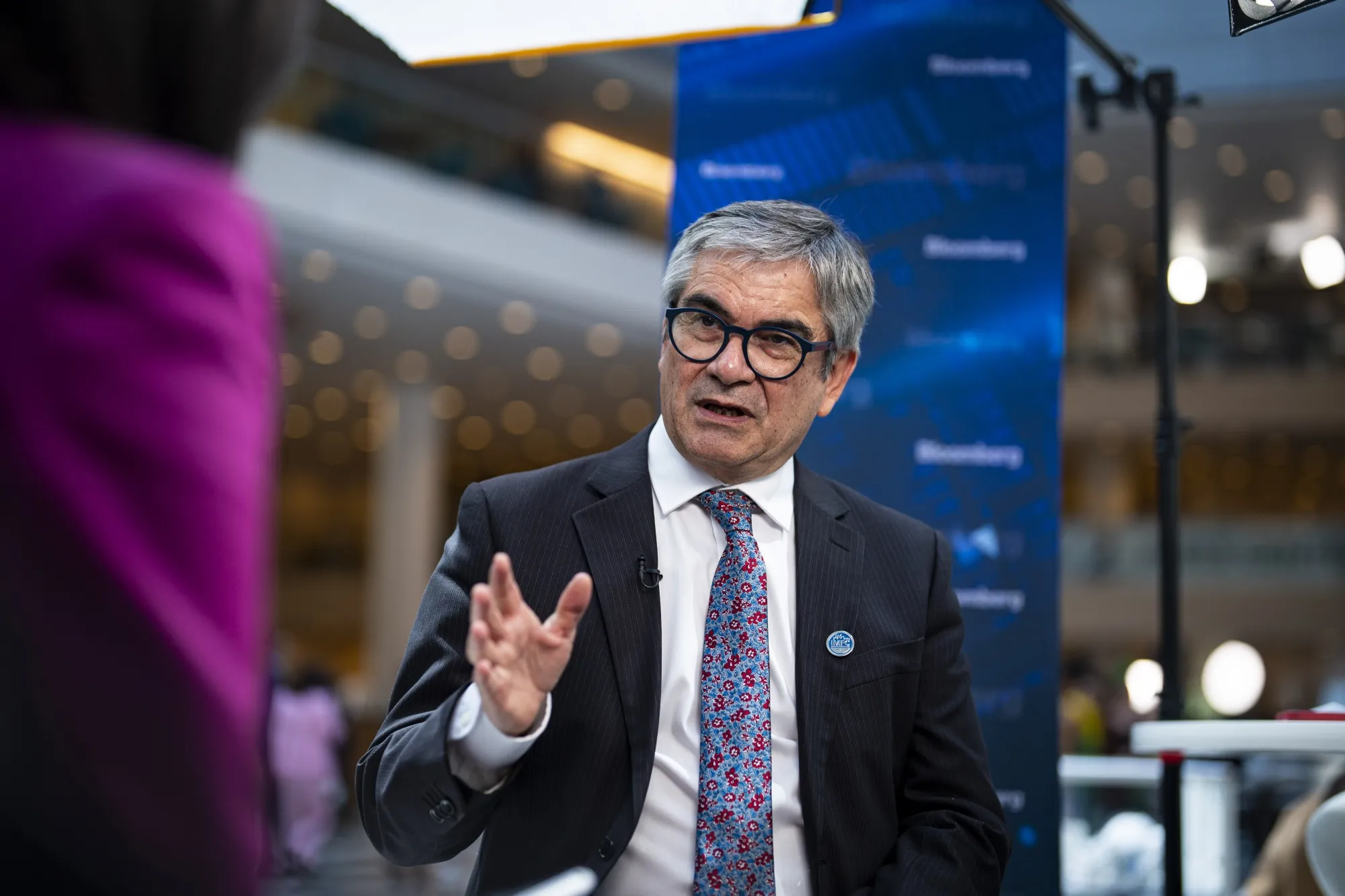
Chile’s Finance Minister Mario Marcel defended his ministry’s authority over fiscal policy following a public disagreement with the Autonomous Fiscal Council (CFA).
The dispute erupted after Marcel issued an unprecedented official response accusing the council of overstepping its boundaries regarding proposed government spending cuts.
Marcel emphasized that differing opinions should not lead to disqualification of opposing viewpoints. He drew parallels to his five-year tenure as Central Bank president, noting that monetary policy decisions were always open to debate despite the bank’s autonomous status.
The minister questioned why the same principle shouldn’t apply to the CFA’s recommendations. The government remains committed to implementing a significant fiscal adjustment of approximately $2 billion during 2025.
This represents a fiscal consolidation of 1.7 percentage points of GDP compared to current and previous years-the largest adjustment since 2022.
The core disagreement centers on the CFA‘s recommendation for deeper cuts by an additional 0.5 percentage points, implemented entirely through administrative channels.
Chile’s Finance Minister Rejects Oversight Body’s Fiscal Demands
Marcel argues this approach is both unfeasible and economically harmful. “Making cuts of that magnitude solely through administrative means would create a contractionary shock of 2.2 percentage points of GDP,” Marcel stated.
He pointed out the contradiction in the CFA’s position, which calls for larger adjustments while simultaneously protecting social spending and public investment.
Marcel rejected the CFA’s suggestion to pause the fiscal policy decree with new deficit targets. He maintained that reversing course would only inject uncertainty into an economy that desperately needs stability.
The minister clearly defined institutional boundaries, stating that while the CFA can provide opinions and recommendations, fiscal policy direction remains the executive branch’s responsibility.
Marcel concluded that the CFA’s role is informative, but the government ultimately makes and takes responsibility for fiscal decisions.
This dispute highlights growing tensions between Chile’s autonomous oversight bodies and executive authority in economic governance. The outcome will likely influence the balance of power in future fiscal policy determinations.
More: Chile news in English, every day from The Rio Times.
This article was produced by The Rio Times’ automated newsroom system. How we use AI · Report an error · Editorial responsibility: Matthias Camenzind, Editor-in-Chief