Latin American Films Dominate Locarno Festival 2026
Key Facts
—Dates — The Locarno Film Festival runs from 5 to 15 August 2026 in the Italian-speaking Swiss canton of Ticino.
—Career Leopard — James Gray receives the Pardo alla carriera on 9 August 2026 on the open-air Piazza Grande.
—Premiere — Gray presents his new film Paper Tiger on the same evening.
—Brazil — A Margem do Rio competes in the main international competition.
—Chile — Princesa Burro, or Donkey Princess, by Cristóbal León and Joaquín Cociña, is also in competition.
—Spain and Peru — Lejos de los Árboles, a Spain-Peru co-production, joins the main line-up.
—Jury — Chilean actress Paulina García sits on the main jury.
The Locarno Latin American films of 2026 sit at the centre of this year’s programme, from a Brazilian drama and a Chilean fable to a Spain-Peru co-production, even as an American director takes the festival’s headline tribute.
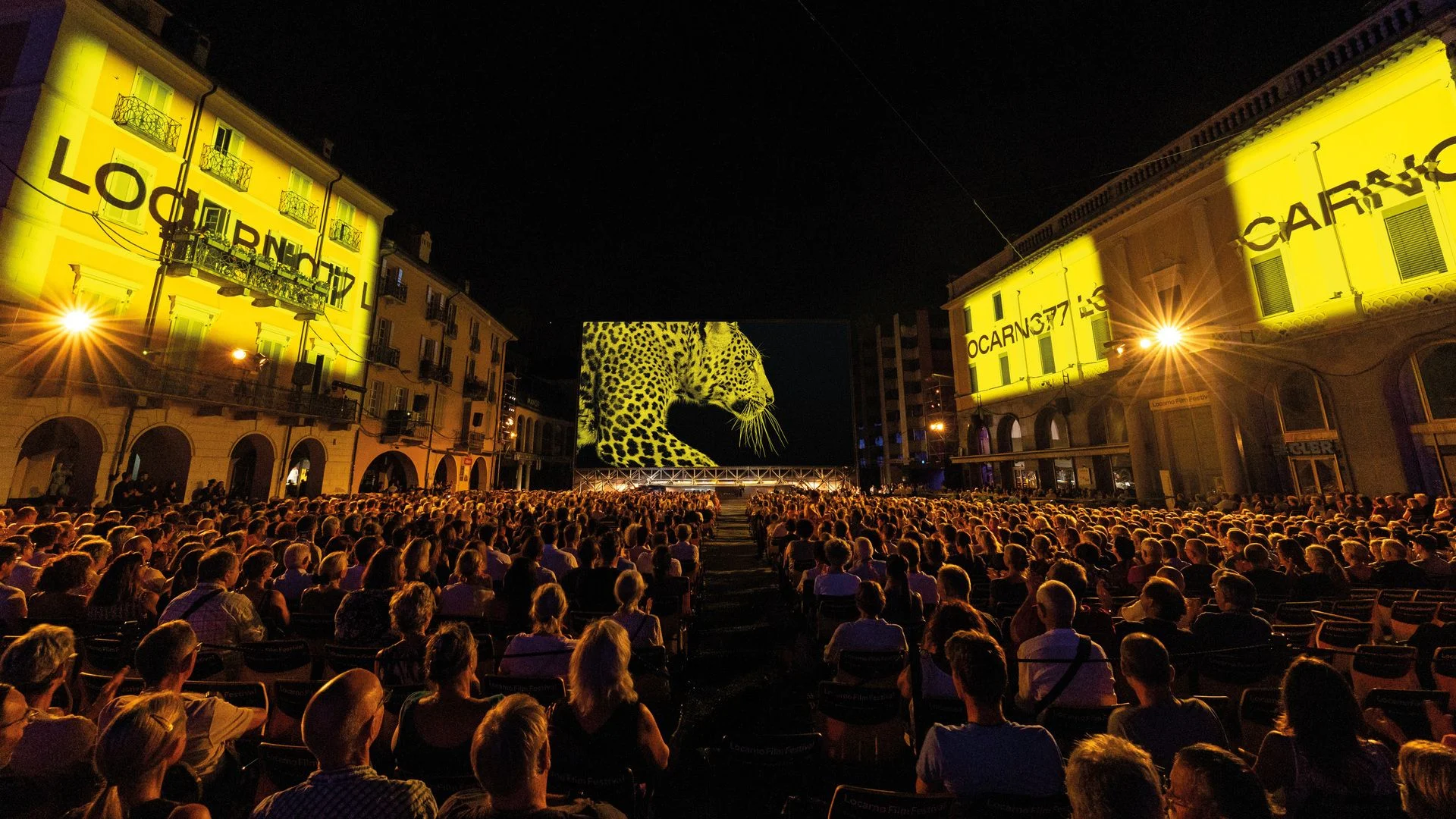
A Swiss festival with a Latin accent
The Locarno Film Festival has long positioned itself as a place for auteur cinema and discovery rather than red-carpet spectacle. In 2026 that identity has a distinctly Latin American flavour, with titles from Brazil, Chile, Spain and Peru threaded through its competitive sections. The programme runs from 5 to 15 August in Ticino, the Italian-speaking corner of Switzerland.
For audiences in the region, the presence of these films matters beyond the festival itself. A Locarno selection can shape a title’s path to other festivals, to distributors and to streaming platforms. The Swiss event has become, in effect, an early European highlight for Latin American work.
The 2026 edition frames that highlight around a headline tribute to an American director, but the substance of the competition points firmly south.
James Gray as the peg, not the point
The most visible name attached to the 2026 edition is James Gray, the New York director whose work has often examined family, migration and the American city. He is due to receive the Pardo alla carriera, the Career Leopard, on 9 August on the open-air Piazza Grande, one of the largest screening spaces in Europe.
On the same evening Gray premieres his new feature, Paper Tiger. The award and premiere give the festival its marquee moment, the kind of event that draws international press to the lakeside town of Locarno.
Yet the honour functions mainly as a frame. Around Gray’s night on the Piazza Grande sits a competition in which Latin American directors carry much of the creative weight, and it is there that the 2026 story really lies.
Latin titles in the main competition
Brazil is represented in the main international competition by A Margem do Rio, a title whose name evokes the riverbank and the margins alike. It stands alongside a roster of international auteur films competing for the festival’s top prize, the Golden Leopard.
Chile arrives with Princesa Burro, released internationally as Donkey Princess, directed by Cristóbal León and Joaquín Cociña. The pair are known for their handmade, stop-motion-inflected style and for building a following on the international festival circuit.
A third thread runs through Lejos de los Árboles, a Spain-Peru co-production that places Peruvian storytelling within a European financing structure. Together the three films give the competition a strong Ibero-American presence rather than a token one.
New voices in Cineasti del Presente
Beyond the main contest, Locarno reserves its Cineasti del Presente section for emerging directors working on first or second features. In 2026 the strand includes Argentine, Colombian and Brazilian titles, widening the regional map beyond the countries represented in the main competition.
The section has a track record of surfacing directors who later move into larger programmes. For film-makers from Buenos Aires, Bogotá or São Paulo, a place here can be a first significant step onto the European stage, ahead of any commercial release at home.
The breadth of the selection also signals how varied the region’s output has become, spanning documentary, animation and low-budget fiction rather than a single national school.
Paulina García and the jury table
The regional presence is not limited to the screen. Chilean actress Paulina García, recognised internationally for Gloria, sits on the main jury that will decide the Golden Leopard. Her role places a Latin American voice at the table where the festival’s central prizes are settled, part of a wider moment for Chilean cinema.
Jury composition rarely guarantees any outcome, and Locarno guards the independence of its panels. Even so, the inclusion signals the weight the festival attaches to the region’s cinema, both as work to be judged and as expertise to help judge it.
A highlight with reach beyond Switzerland
The concentration of Latin American work at a single European festival carries practical consequences. Sales agents, programmers and critics gather in Locarno, and a well-received screening can open doors across the continent and beyond.
For the region’s public funders and co-production bodies, that visibility is part of the return on their investment. Films such as Lejos de los Árboles show how Spanish and Peruvian resources can combine to reach a co-production of this standing.
Whether any of these titles leaves Ticino with a Leopard or not, their selection underlines a steady trend, in which a Swiss festival acts, year after year, as a shop window for Latin American cinema.
Key Facts
—Festival. Locarno Film Festival, 5 to 15 August 2026, Ticino, Switzerland.
—Tribute. James Gray receives the Pardo alla carriera on 9 August on the Piazza Grande.
—Premiere. Gray’s Paper Tiger screens the same evening.
—Competition. A Margem do Rio (Brazil), Princesa Burro (Chile), Lejos de los Árboles (Spain-Peru).
—Emerging. Cineasti del Presente features Argentine, Colombian and Brazilian titles.
—Jury. Chilean actress Paulina García serves on the main jury.
— Programme details can change; confirm screenings with the festival before travelling.
This is reporting, not travel advice. Confirm dates and venues with official sources.
More: Brazil news in English, every day from The Rio Times.
Frequently Asked Questions
When and where does the Locarno Film Festival take place in 2026?
The festival runs from 5 to 15 August 2026 in Locarno, a town on Lake Maggiore in the Italian-speaking Swiss canton of Ticino. It is best known for its open-air screenings on the Piazza Grande, one of the largest outdoor cinema spaces in Europe, alongside a competitive programme spread across several sections. In 2026 the line-up gives particular prominence to Latin American titles, from Brazil and Chile to a Spain-Peru co-production, making the Swiss event a notable stop for the region’s film-makers.
Why is James Gray being honoured at Locarno?
Locarno is presenting the American director James Gray with the Pardo alla carriera, or Career Leopard, on 9 August 2026 on the Piazza Grande. The award recognises a body of work spanning several acclaimed dramas, and it is paired with the premiere of his new film, Paper Tiger, the same evening. In the context of this article, Gray serves as the festival’s headline draw, the marquee name that brings international press to Locarno, while the competition itself leans heavily on Latin American cinema.
Which Latin American films are in the main competition?
Three titles anchor the region’s presence in the main international competition. From Brazil comes A Margem do Rio; from Chile, Princesa Burro, released internationally as Donkey Princess and directed by Cristóbal León and Joaquín Cociña; and straddling two countries, Lejos de los Árboles, a Spain-Peru co-production. Together they place Portuguese-language, Spanish-language and co-produced work in contention for the Golden Leopard, the festival’s top prize, and give the 2026 competition a pronounced Ibero-American character.
What is Cineasti del Presente?
Cineasti del Presente, or Filmmakers of the Present, is a Locarno section devoted to emerging directors presenting first or second features. It runs as a competitive strand in its own right and has a history of surfacing talent that later moves into larger programmes. In 2026 the section includes Argentine, Colombian and Brazilian titles, extending the festival’s Latin American map beyond the countries represented in the main competition and offering newer film-makers from the region an early platform on the European circuit.
Who represents Latin America on the jury?
The Chilean actress Paulina García, internationally recognised for her lead role in Gloria, sits on the main jury that decides the Golden Leopard and the festival’s other central awards. Her presence places a prominent Latin American voice at the table where the top prizes are settled. Jury membership does not determine any result, and Locarno protects the independence of its panels, but the appointment reflects the weight the festival attaches to the region, both as work to be judged and as expertise to help judge it.
Related reading
- Chilean cinema’s rise on the international festival circuit
- Brazil’s film industry looks beyond its borders
- How co-productions are reshaping Latin American film
- A guide to Europe’s summer film festivals
Connected Coverage
Brazil’s 2026 Coffee-Festival Calendar: Dates, Cities, Context
Sources: Locarno Film Festival.
This article was produced by The Rio Times’ automated newsroom system. How we use AI · Report an error
Read More from The Rio Times