Chile’s Maule Red Alert: What Travelers and Expats Need to Know
Travel: Chile
Key Facts
- The Colbún reservoir began a controlled spill into the Maule river on Thursday at 9 a.m., after filling to 98 percent of capacity.
- SENAPRED, Chile’s disaster agency, holds the communes of Colbún and San Clemente, around the reservoir, on red alert, raised from yellow as the spill began. It is a precaution: the dam is safe; the risk is the rising river.
- Stay away from the Maule riverbanks, islands and camping areas. Never cross a risen ford on foot or by car.
- Talca and the wine country away from the river are unaffected. The alert targets the river corridor, about 48 kilometres southeast of Talca and downstream toward the coast.
- No end date has been announced. The spill runs until the reservoir has room for the next winter fronts.
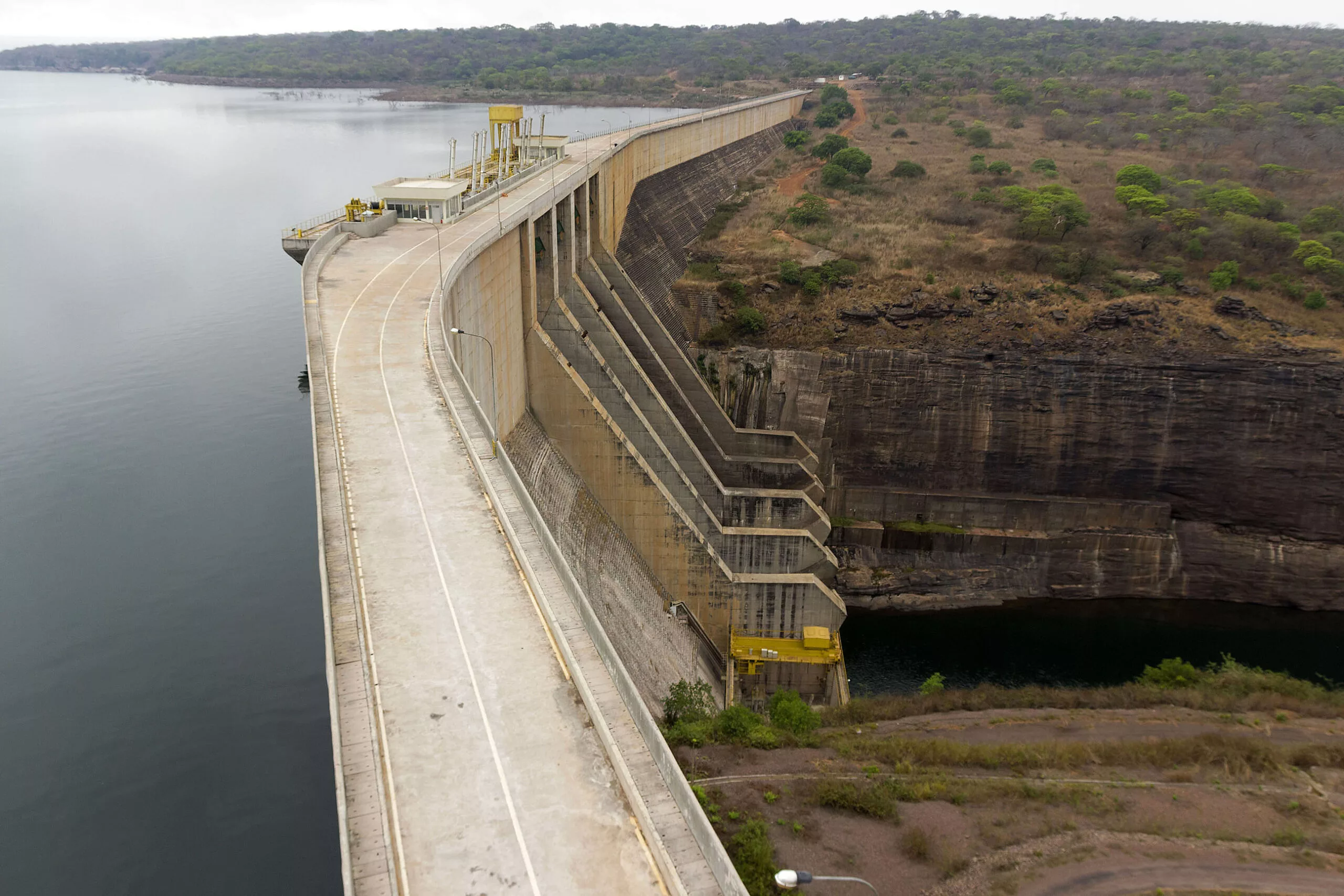
Chile’s largest artificial reservoir is releasing water to make room for new winter storms, and the Maule is on red alert. If you live in the region or plan to travel through it, here is what the alert actually means for your weekend.
What happened this week
The power company Colbún S.A. activated its preventive spill protocol this week after the Colbún reservoir filled to 98 percent of capacity, leaving almost no room to absorb new storms. The discharge began on Thursday 27 August at 9 a.m. local time, with water released in a controlled way onto a dry section of the Maule riverbed.
SENAPRED, the national disaster agency, first issued a yellow alert for the region, then raised it to red as the spill began. In Chile’s system, a red alert means full emergency coordination: regional and local authorities are on standby, ready to order evacuations if the river’s behaviour requires it. Officials stress that the dam itself is safe and the release is deliberate — the danger is downstream, where the Maule will rise gradually but significantly as the water travels toward the Pacific.
Where the alert actually applies
The Colbún reservoir sits between the communes of Colbún and San Clemente, roughly 48 kilometres southeast of Talca, the regional capital, which is itself about 250 kilometres south of Santiago. The risk corridor is the river itself: banks, islands, camping areas, fords and low bridges from the dam down toward the Maule’s coastal zone.
Talca, the vineyards and orchards that make this one of Chile’s main wine regions, and the Ruta 5 highway corridor are not the target of the alert. No road closures have been announced; what authorities ask is that people avoid unnecessary travel along the riverbed, bridges and fords while the water moves downstream.
The practical rules for the coming days
The official guidance is short and worth following literally. Keep away from the riverbanks, islands and camping zones near the water. Do not try to cross the river on foot or by car where water has risen — a calm-looking ford can become dangerous within minutes. Keep children and older people away from the riverside entirely. And take information only from official channels: SENAPRED’s bulletins and the regional government, not social media rumours.
If you are an expat living in the Maule, this is also a good week to know your commune’s emergency contacts and to check that your tenancy or insurance documents are reachable — boring advice that matters on the one day you need it.
Why the dam is letting water go
A full reservoir cannot absorb a new storm, so engineers make space before the rain arrives. Late August is still winter in Chile, and the Maule basin feeds on fronts from the Andes; when several arrive in a row, inflows can rise faster than the turbines can use the water. The operation is coordinated with the DGA, the water authority of the Ministry of Public Works, which tracks the released water permanently as it moves downstream.
The context is, in a sense, good news. Chile is emerging from a megadrought that lasted well over a decade and emptied reservoirs across the country’s centre; wetter winters since 2023 have refilled most of them. A reservoir at 98 percent means cheaper hydroelectricity — the Colbún plant can generate 474 megawatts, with the smaller Machicura reservoir downstream adding 95 — and secure irrigation for the region’s farms. Managing abundance is simply part of the new normal.
What happens next
The spill continues until the reservoir has enough free capacity for the next fronts; no end date has been announced. The water will take time to travel toward the coast, and SENAPRED says it will keep monitoring in constant coordination with local governments, reporting on the river’s behaviour over the coming hours and days. The red alert stays in place until the river returns to normal.
If your plans this weekend involve the Maule river itself — fishing, camping, a riverside cabaña — postpone them. If they involve Talca, the wine route or anywhere away from the water, go ahead, and check SENAPRED’s bulletin before you leave as a matter of habit.
Is the Colbún dam at risk of failing?
No. Authorities describe the discharge as a preventive, controlled operation coordinated with the water authority. The reservoir reached 98 percent of capacity, and the spill makes room for incoming winter fronts. The red alert is a precaution because the Maule river will rise downstream, not because of any problem with the dam.
Can I travel to Talca and the Maule wine country?
Yes. The red alert targets the river corridor, not the region’s cities or vineyards. Talca and the wine route are unaffected, and no road closures have been announced. What authorities ask is that you stay away from riverbanks, islands and camping areas, avoid unnecessary travel along the riverbed, bridges and fords, and never cross risen water.
What does a red alert mean in Chile?
It is the highest level of emergency coordination issued by SENAPRED, the national disaster agency. It places regional and local authorities on standby, with resources pre-positioned for possible evacuations. It does not mean an evacuation has been ordered; it means the system is ready to order one quickly if the river’s behaviour requires it.
Sources
- SENAPRED — Maule region red alert, August 2026
- Diario Talca — alert confirmation and river guidance, 28 August 2026
- El Maule Informa — Ministry of Public Works statement on the preventive spill, 28 August 2026
- Colbún S.A. and DGA — reservoir and spill protocol background
More: Chile news in English, every day from The Rio Times. See also: today’s LatAm Expat & Nomad Daily Guide and what the real breaking 5.20 means for expats in Brazil.
This article was produced by The Rio Times’ automated newsroom system. How we use AI · Report an error · Editorial responsibility: Matthias Camenzind, Editor-in-Chief
Expat Guide to Chile
What The Rio Times publishes for foreigners who live in or move to Chile.
Start here
- Santiago Rent for Foreigners in 2026, US$422 to US$886
- Best Places to Live in Chile for Expats 2026
- Chile’s Rent Unit Rose 0.6% Before Inflation Data
- How to Get Residency in Chile in 2026: Permits, Fees and the Kast-Era Rules
City guides
Coming up in Chile
- BTS Chile Concerts Set for 14, 16 and 17 October 17 Oct
- Aitana in Santiago, Chile: Cuarto Azul World Tour at Movistar Arena on October 19, 2026 19 Oct
- Los Fabulosos Cadillacs Play Santiago on 29 October 29 Oct
- Foro de las Artes 2026 in Santiago, Chile: 30+ Free Events, 1–30 October 30 Oct
Understand Chile