Brazil’s Central Bank Raises Selic Rate to 14.25% Amid Persistent Inflation Risks
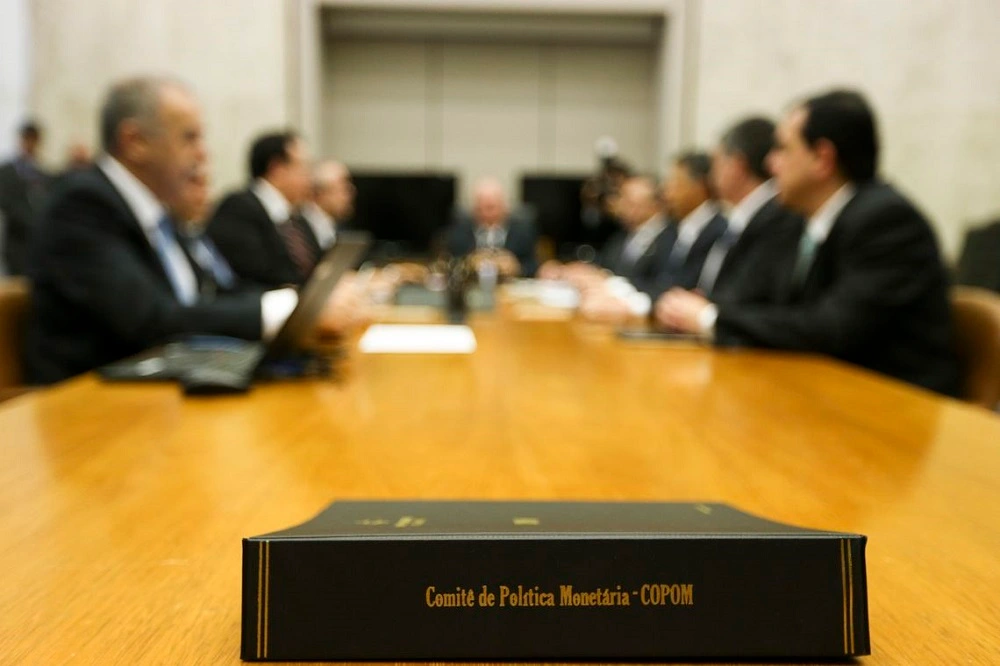
Brazil’s Monetary Policy Committee (Copom) raised the benchmark interest rate, the Selic, to 14.25% on March 19, 2025. This marks the highest level since 2016 and reflects an aggressive stance against inflationary pressures.
The decision followed a widely expected hike of 100 basis points, continuing a tightening cycle that began in late 2024. The Selic rate last reached this level during Brazil’s political and economic crisis between 2015 and 2016, when the country faced a deep recession.
Analysts now anticipate the rate could exceed 15% by mid-2025, a threshold not seen since 2006. Copom has already signaled another increase in May, likely between 25 and 75 basis points.
Inflation remains a key concern for policymakers. Brazil’s annual inflation rate rose to 5.06% in February 2025, exceeding the Central Bank’s target ceiling of 4.5%.
Despite recent deceleration in food and housing costs, persistent service-sector inflation and unanchored expectations have driven Copom’s hawkish approach. The committee also highlighted external risks, including global economic uncertainties and US monetary policy shifts.
The tightening cycle has significant implications for Brazil’s economy. GDP growth is projected to slow to 1.6% in 2025 from around 3% annually over the past three years. Higher borrowing costs are expected to dampen domestic demand and investment, while fiscal constraints add further pressure.
Brazil’s Fiscal Fragility and Divergent Monetary Policy
Analysts warn that Brazil’s fragile fiscal position could exacerbate inflation risks if public debt continues to rise. The Selic rate influences all interest rates in Brazil’s economy, directly affecting credit costs for businesses and consumers.
While higher rates aim to curb inflation, they also strain economic activity. Recent data shows weakening consumer confidence and signs of deceleration in productive sectors, though labor market resilience offers some support.
Globally, Brazil’s monetary policy diverges from trends in major economies like the US, where interest rates have been cut recently. This divergence underscores Brazil’s unique challenges in balancing inflation control with economic growth.
Despite the restrictive policy tone, economists suggest the current real interest rate may be sufficient to guide inflation toward the Central Bank’s target by 2026. However, uncertainties remain high as Copom navigates domestic vulnerabilities and external risks in its fight against inflation.
More: Brazil news in English, every day from The Rio Times.
This article was produced by The Rio Times’ automated newsroom system. How we use AI · Report an error · Editorial responsibility: Matthias Camenzind, Editor-in-Chief
LatAm Markets: Live Signals → — real-time movers, turnover leaders and FX across Latin America.