Brazilian Farms Pivot to Sustainable Biofertilizers
In 2022, rising fertilizer prices, fueled partly by the Ukraine conflict, led the Brazilian government to roll out a National Fertilizer Plan.
This plan aims not only to secure local supplies but also to explore alternative methods like biofertilizers.
Though they are more expensive than traditional fertilizers, the advantages are significant.
Biofertilizers are natural fertilizers containing living microorganisms that improve soil health and nutrient availability for plants.
Rabobank’s analyst, Bruno Fonseca, points out that they boost crop yield and enhance soil health in the long run.
As of 2023, traditional fertilization for grain farming costs an average of R$ 2,889 per hectare, compared to R$ 3,667 with biofertilizers.
In coffee farming, the price gap is a mere R$ 17.90, showing how organic methods are gaining traction.
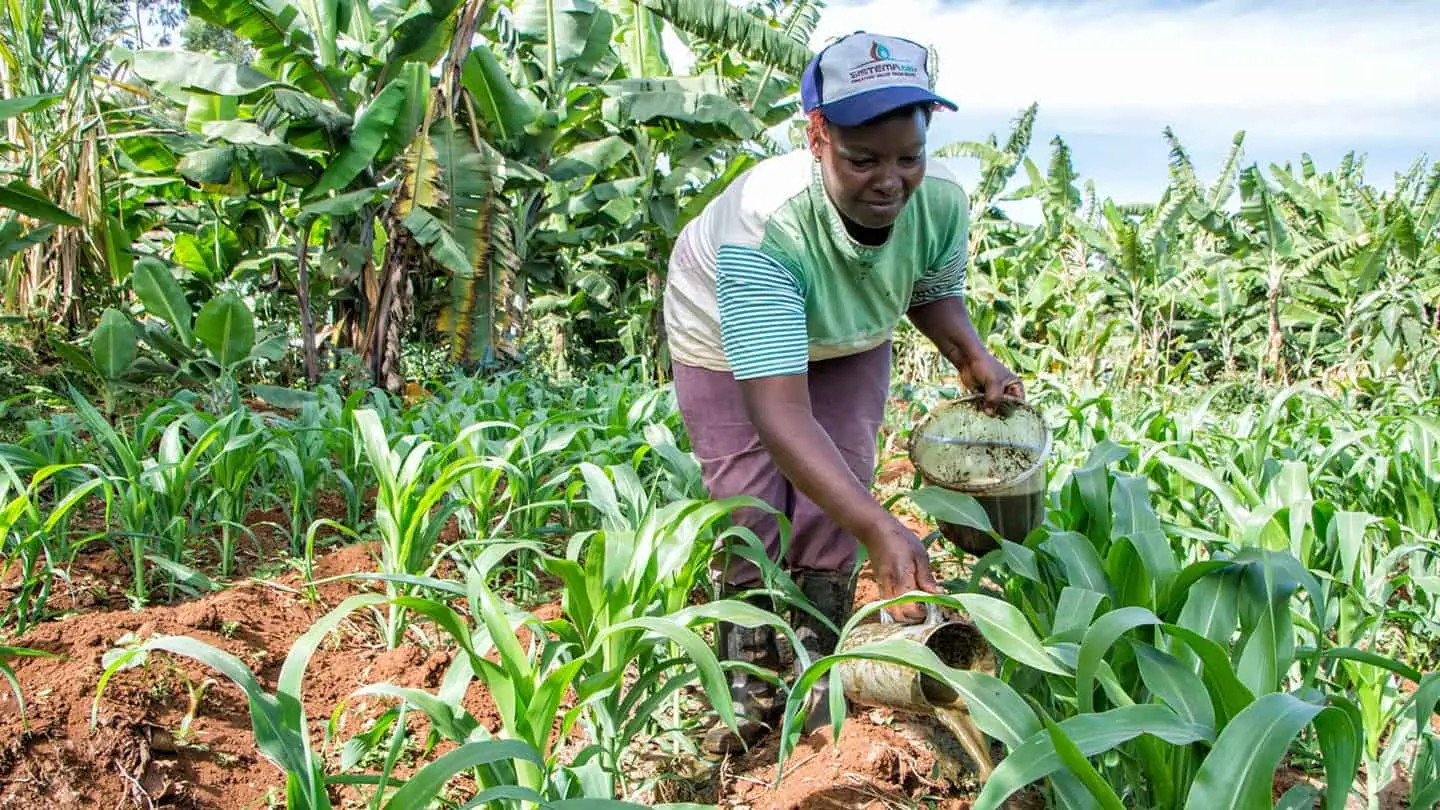
Fonseca notes that farmers are changing their attitudes. “Biofertilizers are not just good for the soil; they also set the stage for sustainable farming,” he says.
Data from 2021 shows Brazil imported 41.6 million tons of mineral fertilizers.
Yet, the Brazilian Agricultural Research Corporation (Embrapa) believes biofertilizers could reduce this by 8.3 million tons annually.
In sugar cane farming, factories can produce biofertilizers from plant waste. This practice also boosts their carbon credit ratings.
While biofertilizers aren’t a catch-all solution, they’re gaining favor among farmers.
Thin Profit Margins
Looking ahead, the key concern is the 2024 corn crop, already grappling with thin profit margins.
Supply delays are affecting the second harvest. “Our reduced 2023 projections aren’t due to lower demand but anticipated delivery delays,” says Fonseca.
Globally, key fertilizer ingredients come from various regions.
Canada, Russia, and Belarus are primary sources for potash, while others like Monoammonium phosphate (MAP) come from Morocco, China, and the U.S.
Though conflicts in the Middle East haven’t directly impacted Brazil’s supplies, vigilant tracking is crucial.
“We’re closely watching the prices and have alternative suppliers if needed,” Fonseca concludes.
More: Brazil news in English, every day from The Rio Times.
This article was produced by The Rio Times’ automated newsroom system. How we use AI · Report an error · Editorial responsibility: Matthias Camenzind, Editor-in-Chief