Brazil Pushes Back on U.S. Section 301 Trade Probe, but U.S. Holds the Leverage
Brazil’s government filed a 91-page rebuttal on August 18, 2025, rejecting the authority of the U.S. Trade Representative (USTR) under Section 301.
Officials defended the country’s digital payment system Pix, tariff preferences, ethanol policies, intellectual property enforcement, and environmental regulation.
They insisted that only the World Trade Organization (WTO) has the right to handle disputes. Yet the central fact is unavoidable: Washington already imposed tariffs of up to 50 percent on many Brazilian exports in late July.
These duties cover beef, coffee, seafood, textiles, footwear, and fruit, while exempting aircraft and orange juice. Brazil’s formal rejection does not change tariffs already in force.
The Section 301 investigation, launched on July 15, 2025, focuses on whether Brazil’s policies disadvantage American companies.
The USTR singled out Pix, which now includes 70 million new users and became a model abroad. U.S. officials argue Brazil gives its own system preferential conditions, while Brazil insists the platform treats all operators equally.
The ethanol and sugar markets expose another fault line. Brazil reduced duty-free access for U.S. ethanol, while accusing Washington of maintaining high barriers on Brazilian sugar. U.S. farm lobbies demanded retaliation, and the tariffs followed quickly.
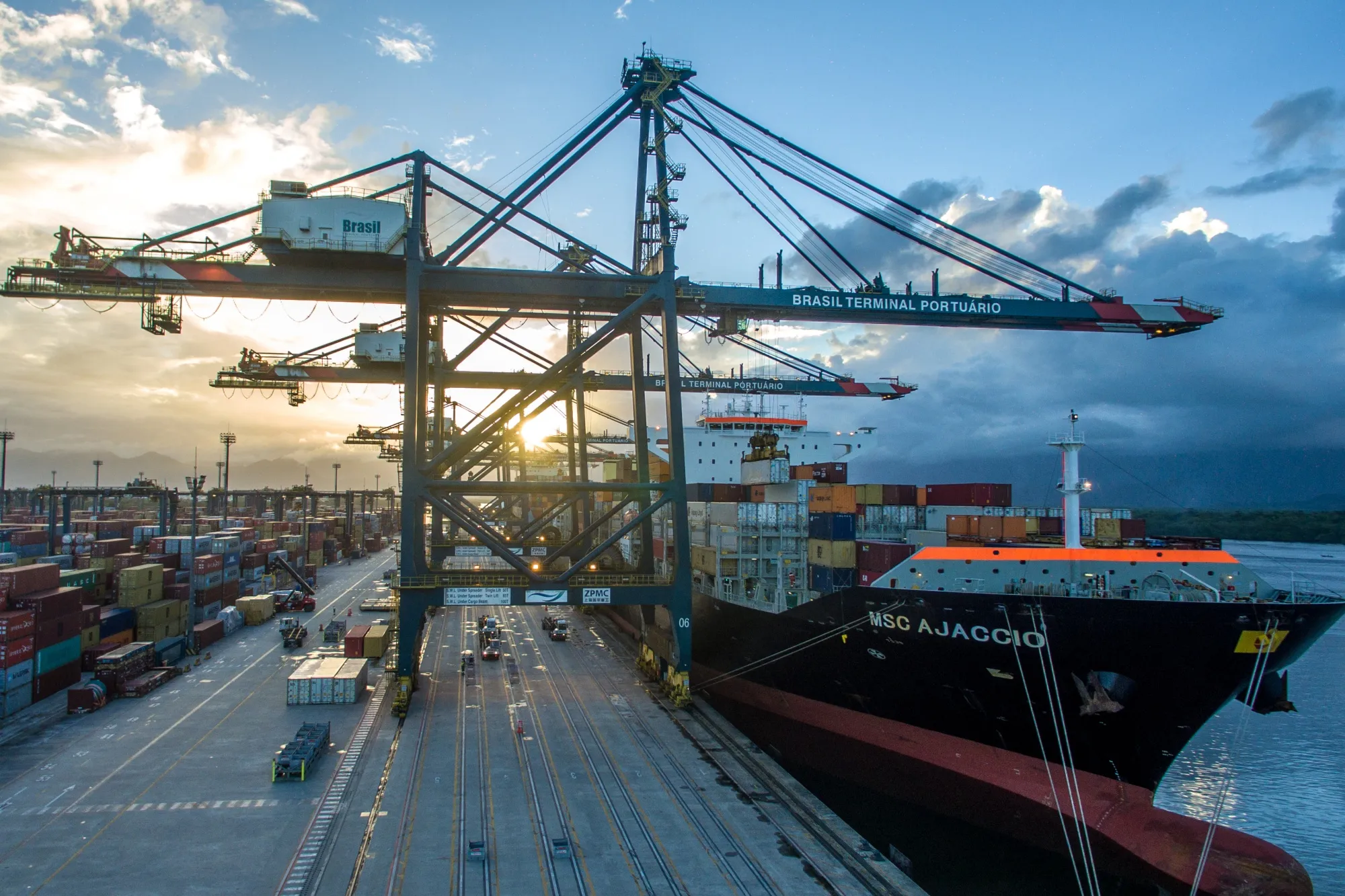
Trade between the two countries reached about 91 to 92 billion dollars in 2024, making the United States one of Brazil’s top partners. Nearly 10,000 Brazilian companies export to the U.S., and many now face costs that could double final prices.
Exporters lose margins, and American buyers pay more for goods ranging from coffee to beef. Brazil requested WTO consultations, but the dispute body’s appeals system has been frozen for years.
Even if Brazil won a case, the United States could block enforcement by appealing into a deadlocked system. That means tariffs bite immediately while legal arguments drag on.
Talks at the political level have collapsed. U.S. Treasury Secretary Scott Bessent canceled a meeting with Brazil’s Finance Minister Fernando Haddad in August, closing one of the last avenues for dialogue.
Brazilian officials admit they have little leverage. Some hope conditions will change, but most see no short-term path forward. The story behind the clash is straightforward.
Brazil can reject Washington’s authority, but rejection has no weight against tariffs already collecting at U.S. ports. Without negotiation, exporters bear the cost.
The United States holds the stronger position because its tools act quickly, while Brazil’s only recourse depends on a WTO system unable to deliver timely relief.
More: Brazil news in English, every day from The Rio Times.
This article was drafted with automated assistance and reviewed before publication. How we use AI · Report an error · Editorial responsibility: Matthias Camenzind, Editor-in-Chief