Brazil anticipates a substantial financial gain, estimating savings of R$ 1 billion ($204 million) through the purchase of Venezuelan electricity.
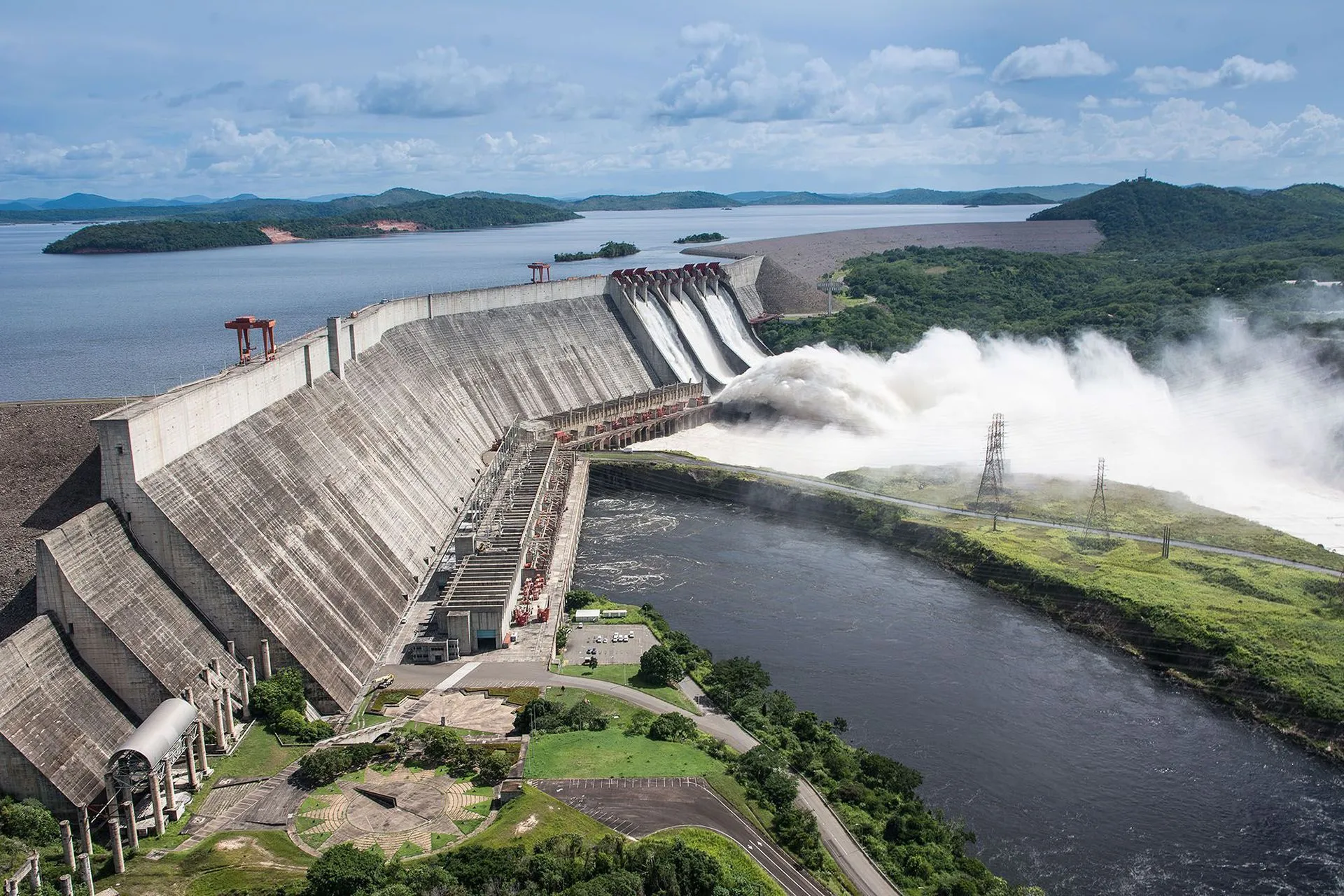
This power comes from the Guri hydroelectric plant. It’s a significant move for Brazil’s energy sector.
Amber Energy, a private company, got the green light from the government. They can now bring in 120 MWh of electricity yearly from Venezuela.
This decision is crucial for Roraima, Brazil’s disconnected state from the National Interconnected System (SIN).
Diesel power plants are expensive. They charge R$ 1,700 ($347) for each MWh in Roraima. There are 51 such plants in the state.
Switching to Venezuelan electricity cuts costs. It’s a smart economic choice.
The previous deal with Venezuela was different. It offered energy at a lower price, under R$ 140 ($29) per MWh.
Former President Fernando Henrique Cardoso initiated this 20-year contract. But ex-President Jair Bolsonaro ended it in 2019 due to Venezuelan power outages.
The goal is to integrate Brazil and Venezuela’s power grids
Now, Amber Energy leads the new agreement. They secured this deal with the help of the Electricity Sector Monitoring Committee (CMSE).
This happened in November. The deal reflects recent changes. Venezuela upgraded its transmission lines. This increased the cost of energy imports.
Brazil isn’t bound to buy only from Amber. Other companies can also import Venezuelan energy.
They might even find better rates than diesel power plants. Amber plans to start its supply to Roraima soon.
President Luiz Inácio Lula da Silva supports this energy purchase. Since May, his government has been exploring this option.
The goal is to integrate Brazil and Venezuela’s power grids better.
The government doesn’t plan for this to be a long-term solution. By 2025, they aim to connect Roraima to the SIN. This will link Roraima to other Brazilian states.
In August, President Lula took a big step. He approved the construction of a transmission line.
This line will join Roraima to the SIN. It connects to the Tucuruí plant in Pará. This project is key to Brazil’s energy future.
More: Brazil news in English, every day from The Rio Times.
This article was produced by The Rio Times’ automated newsroom system. How we use AI · Report an error · Editorial responsibility: Matthias Camenzind, Editor-in-Chief