Bottlenecks at Santos Port: A $21 Billion Blow to Brazil’s Exports
In 2024, Santos, Latin America’s largest port, faced severe operational hurdles, significantly impacting Brazil’s export efficiency.
At the heart of these issues was the port’s inability to dock the latest large container ships regularly.
These vessels, which can carry up to 16,000 containers, represent a leap in maritime logistics technology introduced post-2014.
However, many find Santos’ facilities inadequate due to outdated infrastructure.
The port, responsible for handling 40% of Brazil’s total maritime cargo, has become a bottleneck, causing over US$21 billion in annual export losses.
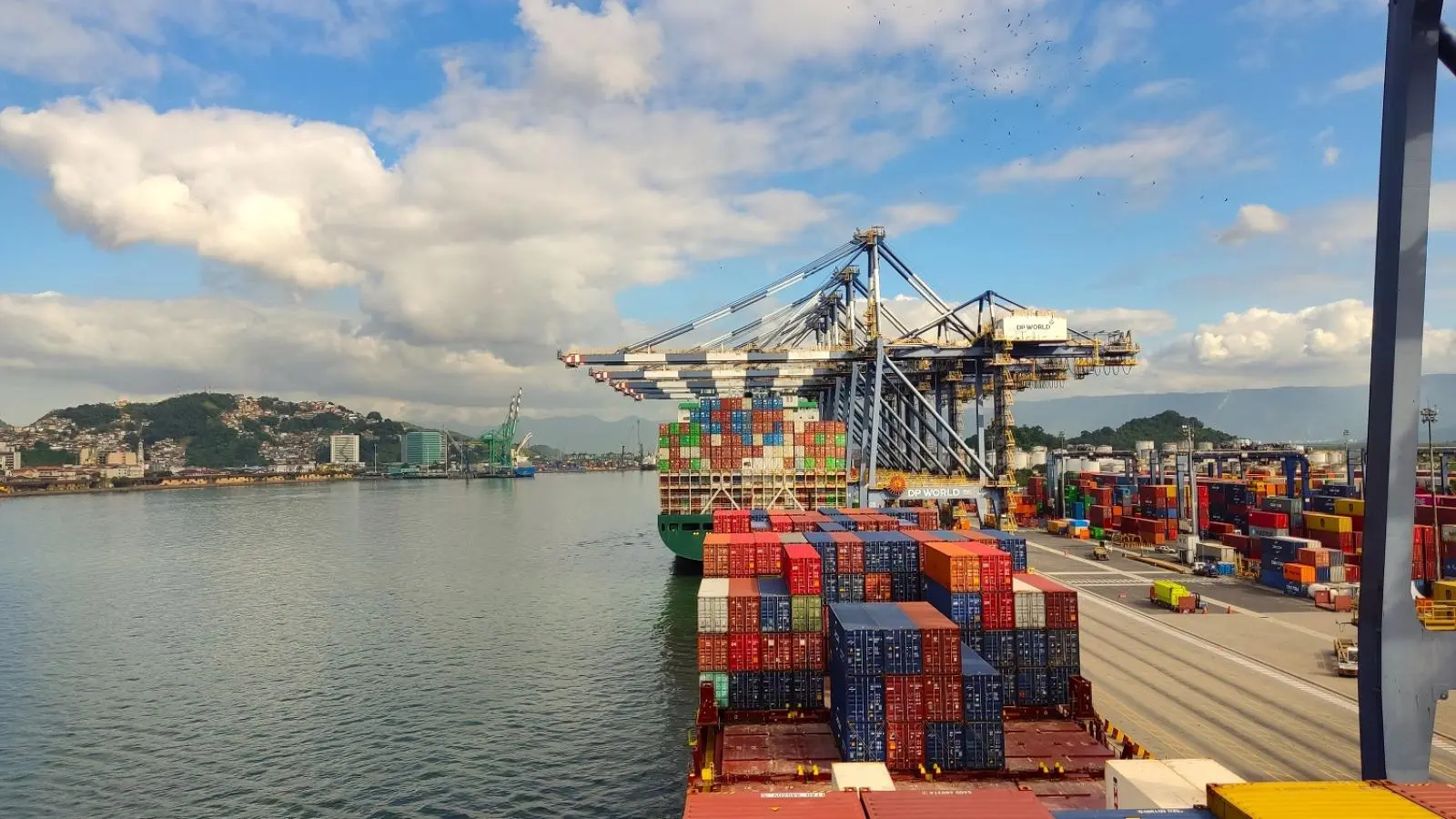
This figure, sourced from the National Center for Transatlantic Navigation (Centronave), underscores a dire need for an infrastructural overhaul.
The limitation isn’t just physical; operational restrictions at Santos limit ship drafts to 14.5 meters, inadequate for the newer, larger classes of ships requiring deeper drafts.
Brazil’s Coffee Export Crisis
This logistical shortfall resonates across various sectors in Brazil, most notably in the coffee export industry, which has experienced a marked decline in export capabilities.
Eduardo Heron, from the Brazilian Council of Coffee Exporters, revealed that coffee shipments alone saw a 68% drop in exports in a recent month compared to the previous.
This translated into a loss of $173 million. Port authorities and the shipping community are at odds over the solutions.
While the port claims it can handle current demands until 2030, industry insiders argue that immediate action is necessary.
They advocate for the revival and expansion of the STS10 terminal project, which has been stalled since 2022.
This project promises to enhance capacity and modernize facilities, crucial for accommodating the megaships that are increasingly becoming the norm in global trade.
The stakes are high. Without significant upgrades, Santos risks more than just financial losses.
It stands to lose its pivotal role in global shipping logistics, affecting countless businesses and the broader economy.
The debate continues, reflecting a broader challenge facing Brazil: modernizing infrastructure to keep pace with evolving global trade demands.
More: Brazil news in English, every day from The Rio Times.
This article was produced by The Rio Times’ automated newsroom system. How we use AI · Report an error · Editorial responsibility: Matthias Camenzind, Editor-in-Chief