IBOV 205,333.25 ▲ 0.49% IPSA 10,974.12 ▲ 0.02% IPC MEX 67,663.29 ▲ 1.31% MERVAL 2,860,760 ▲ 0.06% COLCAP 2,574.78 ▼ 0.22% BVL PERÚ 60,210.69 ▲ 0.10% USD/BRL5.09▼ 0.15% USD/MXN18.42▲ 0.06% USD/CLP981.04▼ 0.02% USD/COP3,173▼ 0.69% USD/PEN3.42▼ 0.48% USD/ARS1,513— 0.00% USD/UYU40.13▲ 3.08% USD/PYG5,686▲ 3.07% USD/BOB11.61▲ 2.27% USD/DOP61.26▲ 0.43% USD/CRC448.47▲ 1.59% USD/GTQ7.65▲ 3.30% USD/HNL26.86▲ 0.34% USD/NIO36.62▼ 0.07% USD/VES877.92▼ 0.13% USD/PAB1.00— 0.00% USD/BZD2.00— 0.00% USD/JMD 157.28 — 0.00% USD/TTD6.73▲ 2.13% EUR/BRL5.73▲ 1.55% BRENT 88.88 ▼ 0.03% WTI 83.11 ▼ 0.11% IRON ORE 161.91 — — COPPER 6.61 ▲ 0.03% GOLD 4,461 ▲ 1.78% SILVER 65.59 ▲ 1.26% SOY 1,184 ▲ 3.20% CORN 480.50 ▲ 10.02% WHEAT 655.00 ▲ 3.93% COFFEE 317.25 ▼ 5.51% SUGAR 16.43 ▼ 1.79% ORANGE JUICE 138.55 ▼ 0.47% COTTON 85.03 ▲ 2.33% COCOA 5,719 ▲ 3.18% BEEF 223.60 ▼ 3.93% CATTLE 339.10 ▼ 3.16% LITHIUM 75.20 ▲ 1.47% PETR4 41.64 ▼ 0.05% VALE3 72.97 ▲ 0.83% ITUB4 38.60 ▼ 1.03% BBDC4 16.85 ▲ 0.36% ABEV3 14.89 ▼ 0.80% BBAS3 19.37 ▲ 0.47% B3SA3 14.26 ▼ 0.21% WEGE3 47.59 ▲ 0.49% PRIO3 59.14 ▼ 0.19% SUZB3 41.33 ▲ 2.35% RENT3 34.68 ▼ 0.09% AZZA3 15.89 ▼ 2.63% CSAN3 3.22 ▼ 1.83% RAIZ4 0.25 — 0.00% PCAR3 2.75 ▼ 0.36% GMAT3 3.65 ▼ 1.08% PSSA3 48.13 ▼ 0.54% CVCB3 1.33 ▼ 2.92% POSI3 3.36 ▲ 2.44% SLCE3 13.34 ▲ 0.30% NATU3 8.14 ▼ 0.73% IBOV 205,333.25 ▲ 0.49% IPSA 10,974.12 ▲ 0.02% IPC MEX 67,663.29 ▲ 1.31% MERVAL 2,860,760 ▲ 0.06% COLCAP 2,574.78 ▼ 0.22% BVL PERÚ 60,210.69 ▲ 0.10% USD/BRL 5.16 ▲ 0.01% USD/MXN 17.06 ▼ 0.24% USD/CLP 913.98 ▲ 0.04% USD/COP 3,140 ▲ 0.03% USD/PEN 3.36 ▼ 0.66% USD/ARS 1,493 ▲ 0.10% USD/UYU 40.27 ▲ 1.24% USD/PYG 5,939 ▲ 1.68% USD/BOB 11.64 ▼ 0.76% USD/DOP 58.34 ▲ 1.25% USD/CRC 445.92 ▲ 0.89% USD/GTQ 7.62 ▲ 2.21% USD/HNL 26.79 ▲ 1.57% USD/NIO 36.62 ▲ 0.69% USD/VES 762.44 ▼ 0.13% USD/PAB 1.00 — 0.00% USD/BZD 2.00 — 0.00% USD/JMD 157.28 — 0.00% USD/TTD 6.70 ▲ 0.61% EUR/BRL 5.95 ▲ 1.01% BRENT 88.88 ▼ 0.03% WTI 83.11 ▼ 0.11% IRON ORE 161.91 — — COPPER 6.61 ▲ 0.03% GOLD 4,461 ▲ 1.78% SILVER 65.59 ▲ 1.26% SOY 1,184 ▲ 3.20% CORN 480.50 ▲ 10.02% WHEAT 655.00 ▲ 3.93% COFFEE 317.25 ▼ 5.51% SUGAR 16.43 ▼ 1.79% ORANGE JUICE 138.55 ▼ 0.47% COTTON 85.03 ▲ 2.33% COCOA 5,719 ▲ 3.18% BEEF 223.60 ▼ 3.93% CATTLE 339.10 ▼ 3.16% LITHIUM 75.20 ▲ 1.47% PETR4 41.64 ▼ 0.05% VALE3 72.97 ▲ 0.83% ITUB4 38.60 ▼ 1.03% BBDC4 16.85 ▲ 0.36% ABEV3 14.89 ▼ 0.80% BBAS3 19.37 ▲ 0.47% B3SA3 14.26 ▼ 0.21% WEGE3 47.59 ▲ 0.49% PRIO3 59.14 ▼ 0.19% SUZB3 41.33 ▲ 2.35% RENT3 34.68 ▼ 0.09% AZZA3 15.89 ▼ 2.63% CSAN3 3.22 ▼ 1.83% RAIZ4 0.25 — 0.00% PCAR3 2.75 ▼ 0.36% GMAT3 3.65 ▼ 1.08% PSSA3 48.13 ▼ 0.54% CVCB3 1.33 ▼ 2.92% POSI3 3.36 ▲ 2.44% SLCE3 13.34 ▲ 0.30% NATU3 8.14 ▼ 0.73%
since 2009
Friday, October 16, 2026

Bolivian Bankers Express Concerns Over Potential Currency Controls

By · August 17, 2024 · 2 min read

In Bolivia, a proposed implementation of government currency controls has sparked significant concern within the private banking sector.

The Bolivian Association of Private Banks (Asoban) recently voiced these apprehensions. Asoban represents numerous private financial entities that fear the detrimental outcomes such regulations might impose.

Discussions about imposing currency controls accelerated after proposals during a special Social Cabinet session, which labor unions supported.

These controls aim to regulate foreign currency flow and exchanges within Bolivia. They are seen as a response to the decreasing dollar inflow, a situation posing serious economic implications.

Asoban expressed in a statement that these controls might not only fail to alleviate current financial difficulties but could also worsen them.
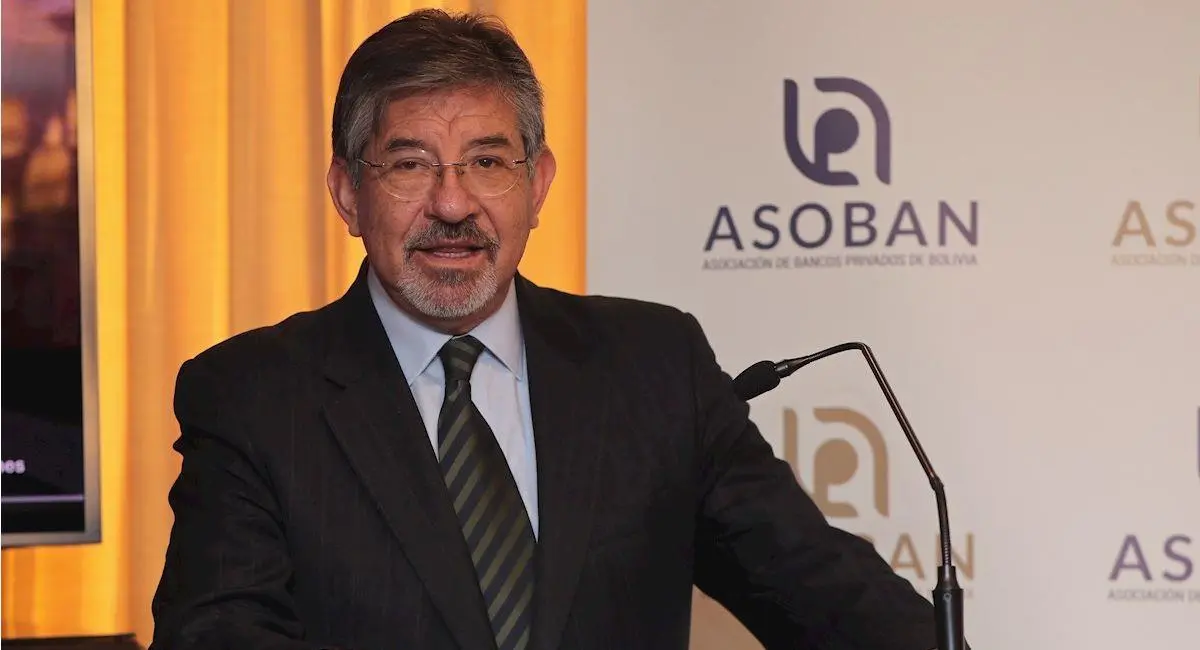
Bolivian Bankers Express Concerns Over Potential Currency Controls.
RT
Ask Rio Times
17 years of Latin America reporting, on demand.
Open the full Ask Rio Times →

The association listed several worries, including potential declines in foreign investments and market liquidity.

The LatAm Brief

One email, every weekday morning. What moved in Latin American markets, politics and expat life.

Yesterday’s subject line: “IMF sees Brazil as 8th-largest economy by 2027”

Free. We send a confirmation link first — nothing arrives until you click it. Unsubscribe with one click in any edition. If you stop opening us for 30 days we stop sending by ourselves, as we assume the interest is no longer there. See our privacy policy. We never share your email.

Such changes could heighten financial uncertainty and complicate international trade operations.

Bolivia has previously encountered similar financial policies, which serve as a cautionary backdrop illustrating the negative impacts they can produce.

Consequently, Asoban emphasizes the necessity for continued constructive dialogue and the exploration of alternatives. These alternatives should aim to sustain a stable and advantageous economic climate.

This debate emerges amid a noticeable reduction in Bolivia’s dollar inflows, intensifying the urgency for effective economic solutions.

Juan Carlos Huarachi, the executive secretary of the Bolivian Workers’ Center (COB), advocates strongly for these controls.

He argues that managing revenues from foreign sales is a feasible approach to addressing the crisis.

As discussions progress, the banking community and labor unions find themselves at odds, each promoting strategies they believe will most benefit Bolivia’s economic future.

The resolution of this debate will significantly shape the nation’s financial landscape.

This article was produced by The Rio Times’ automated newsroom system. How we use AI · Report an error · Editorial responsibility: Matthias Camenzind, Editor-in-Chief

The Rio Times · Power Map
See who really holds power in Latin America
Click to open the Power Map →

Rotate for Best Experience

This report is optimized for landscape viewing. Rotate your phone for the full experience.